Can a Thermal Camera See Through Walls?
Ever wonder if a thermal camera can see through walls? The quick answer is no—these cameras can’t see inside solid objects. They only detect surface temperatures on the side you’re pointing at, with dense materials like concrete or drywall blocking infrared radiation.
Still, they can reveal surface heat patterns that hint at underlying issues. Keep reading to learn how this technology helps uncover hidden problems without actually seeing through walls.
No, Thermal Cameras Cannot See Through Walls
Thermal cameras cannot see through walls. Solid materials like concrete, brick, and drywall block infrared radiation, making them completely opaque barriers. What you see is only the surface temperature of the wall, not what lies behind it. Even if a wall appears uniform in temperature, the camera cannot reveal any objects or people on the other side. Materials that are transparent to the naked eye, such as glass, also block infrared waves, preventing thermal cameras from seeing through them. The lack of X-ray or other penetrating capabilities means you need a direct line of sight to detect heat, as all heat signals originate from the surface. Any thermal readings are limited to visible surface temperatures, not internal or hidden sources. Understanding the performance limitations of thermal imaging versus infrared cameras is crucial when considering their application. For a solid foundation on how to choose and use these devices, a complete beginner’s guide is an excellent resource. For detecting heat signatures in low light without this limitation, some operators prefer to use thermal imaging instead of night vision devices.

【Enhanced Thermal Clarity】Start with 128x128 thermal imaging and enhance to 240x240 resolution with TISR technology for greater details. The wide 40°x 30° field of view and a 25Hz refresh rate deliver accurate, smooth thermal images—ideal for detailed inspections in homes and on electrical systems and machinery

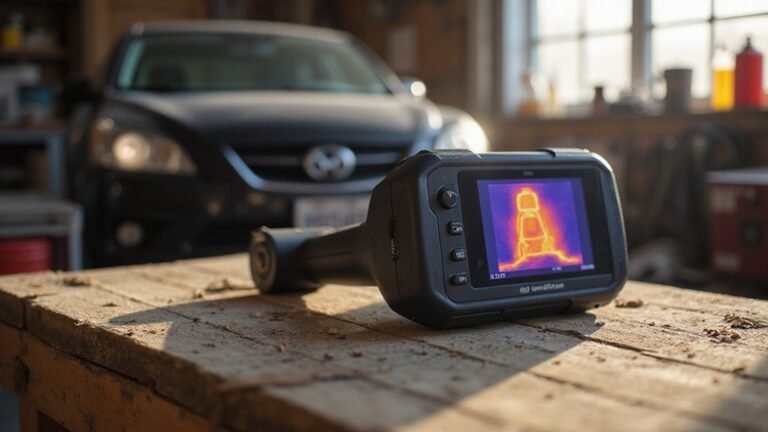
【Enhanced Thermal Clarity for Precise Inspections】The RT280 handheld thermal imaging camera features a 2.8-inch 320×240 LCD screen for smooth, detailed thermal visuals. Equipped with TISR technology, it enhances thermal image effective resolution from 120×90 to 240×180, enabling the capture of tiny temperature differences. Its 50°x 38° FOV and 25Hz frame rate deliver clear, smooth images, making it ideal for home inspections, electrical checks, mechanical fault diagnosis, and automotive engine inspections.

Super Resolution Enhancement: The Flagfront YXI96 thermal camera is equipped with 240x240 super-resolution imaging technology, providing clearer images and capturing more details; A high frame refresh rate of 25Hz ensures a smooth inspection experience
How Does Thermal Imaging Actually Work?
Thermal imaging works by detecting infrared radiation emitted by objects, which is invisible to the naked eye. All objects above absolute zero produce this radiation, which travels to the camera’s microbolometer sensor. Each tiny pixel in this sensor contains materials whose electrical resistance changes with temperature. When heated, the resistance shifts — and the camera’s electronic circuits measure these changes with high precision. The resulting raw data reflects temperature differences across the scene.
The sensor data is then processed by the device, translating the resistance variations into visible colors—typically red for warmer areas and blue for cooler ones. This color mapping allows you to see heat differences clearly without depending on any visible light, much like the way night vision goggles amplify light to create an image. The entire process turns invisible infrared radiation into an easily interpretable image that reveals the heat landscape of your surroundings. Multi-Spectral Dynamic Imaging (MSX) can overlay visible details onto these thermal images to enhance clarity and identification. The accuracy of a thermal reading depends on factors like the object’s emissivity value and the surrounding environmental conditions.
Why Solid Walls Block Thermal Imaging Completely
Solid walls block thermal imaging completely because they are highly opaque to infrared radiation. Materials like concrete and brick absorb nearly all of the long-wave infrared energy emitted by heat sources, preventing signals from passing through. They either absorb the radiation themselves or cause infrared reflection, which further prevents detection of anything behind the wall. Metal reinforcement or mesh embedded within the wall can stop transmission entirely. As a result, you cannot see heat sources concealed behind solid barriers; only the surface temperature of the wall itself is detectable. This opacity is a fundamental physical limitation, much like how advanced night vision devices such as the PVS-31 cannot see through solid objects either. Even if heat is strongly applied behind the wall, the dense material’s poor thermal conductivity and high insulation properties prevent the heat from reaching the outer surface where it could be scanned by thermal imaging devices, which rely on sensing target IR energy. A well-designed trail camera security box also relies on this principle of material opacity to protect its valuable internal components.
Thermal Imaging vs. X-Ray Vision: What Science Fiction Gets Wrong
Thermal cameras do not provide X-ray-like vision and cannot see through walls. What you see onscreen is a thermal illusion, not true vision beyond barriers. These cameras detect infrared radiation emitted by surfaces, which correlates to temperature, but they cannot penetrate solid objects that are opaque to infrared wavelengths. When a wall blocks infrared signals, the camera either reflects or absorbs the heat, preventing any view of what’s behind it. Unlike X-ray technology that uses high-energy ionizing radiation capable of passing through materials and revealing internal structures, thermal imaging only captures surface temperature data. Materials like brick or concrete effectively block infrared radiation, so a thermal camera shows only the wall’s own surface temperature, not anything hidden behind it. Understanding the underlying technology of these devices is key for any prospective buyer. This reliance on emitted infrared light is a fundamental difference from image intensification tubes used in many night vision devices. As a result, a person appearing sharply behind a wall in a movie is inaccurate—your thermal camera reads the wall’s own surface temperature, not anything hidden behind it. DIY thermal camera projects must account for this basic limitation of infrared detection.
How Thermal Cameras Detect Hidden Issues Inside Walls
Thermal cameras detect hidden issues inside walls by mapping the heat that defects conduct to the surface. They can identify temperature differences as small as 0.1°F, which helps reveal problems that are not visible to the naked eye. When there is a water leak, missing insulation, or electrical faults, the material’s heat transmission changes, creating distinct thermal signatures on the surface. During a blower door test, thermal imaging becomes especially powerful for locating air leaks.
The camera’s sensor captures infrared radiation emitted from the wall’s surface and transforms it into a color-coded thermogram. Warmer areas appear yellow or red, indicating higher heat, while cooler spots show as blue or purple. Although you cannot see the defect directly, you can observe where its thermal energy reaches the exterior. This allows you to identify hidden moisture, electrical issues, or gaps in insulation accurately—without invasive probing or dismantling walls. For specialized inspections, some professionals even utilize a custom thermal drone to access hard-to-reach exterior surfaces.
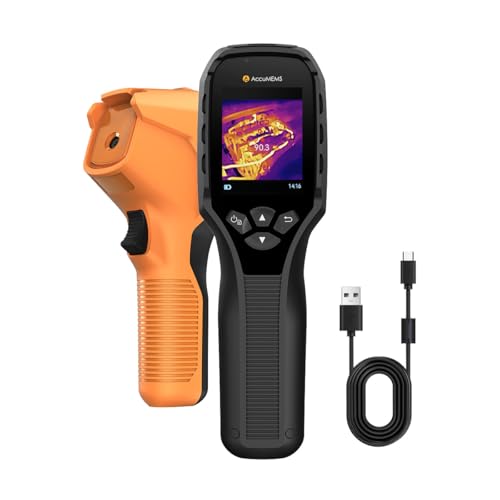
【Dual Mode Inspection】Combines thermal imaging with Center/Hot/Cold spot modes for real-time visual temperature display, and integrates thermometer mode for fast point-and-shoot readings with precise digital output. Full-screen thermal imaging enables continuous monitoring of moving targets,ensuring stable observation without loss of detail during dynamic inspections.

3.5'' 640×480 IPS: This thermal imager features a 2MP visible light camera and a 3.5" 640×480 IPS display for exceptional clarity. With upgraded X³ IR technology, it boosts thermal resolution from 256×192 to 512×384. This handheld thermal camera supports a smooth 25Hz refresh rate, and offers ultra-fine 40mK sensitivity—delivering faster, more detailed inspections.

【Dual Mode Inspection】Combines conventional thermal imaging (Center/Hot/Cold spot modes) with thermometer mode for flexible temperature analysis. Use full-screen thermal imaging to monitor moving animals, machinery, automotive, or HVAC systems in real time, ensuring continuous observation with no detail loss. When you need exact numbers such as kitchen use, thermometer mode provides quick, point-and-shoot readings with a clear digital display.
Which Building Materials Block Heat Signatures the Best?
Dense, non-combustible building materials are your best choice for blocking heat signatures. Thick concrete or brick walls have high thermal mass, which absorbs and stabilizes heat, preventing infrared radiation from passing through. Their low thermal conductivity means they do not quickly transfer heat from inside to outside surfaces, making them effective barriers against thermal cameras. Dense stone also works well by absorbing body heat and dissipating it evenly. For steel framing, adding insulation layers is essential since metal conducts heat efficiently. Reflective materials like aluminum foil or Mylar sheets are highly effective by bouncing infrared radiation back toward the source. Additionally, insulating padding such as neoprene foam or polyester trapping air can further inhibit heat transfer, boosting overall heat-blocking performance. You should also consider any potential app or server downtime for your monitoring systems. To ensure these materials perform correctly, you should verify your firmware and settings on any monitoring devices used. Always check for improper power settings on electronic monitoring tools as a potential failure point. Effective thermal concealment also requires team coordination and awareness to prevent accidental reveals.

【ECO-FRIENDLY MATERIAL】Black Neoprene Sponge Foam Rubber Sheets are made of environmental protection material, Neoprene, toxic free. This sheet measures 12in x 59in (3/4in Thick), providing comfort and support for any application.

Multi-Function: Widely used in furniture, electrical cabinets, cars, speakers, toys, handicrafts, sports equipment, etc.

Extra Thick Self Adhesive Foam Pads: with your purchase, you'll receive four thick, heat-insulating and sound-deadening foam pads with an adhesive backing; Each pad measures 4" x 4" and is 1" thick; Bulk quantities are available for daily use
What Thermal Cameras Can Really Detect
Thermal cameras detect surface temperature differences by measuring the infrared radiation emitted from objects. They cannot see through walls or solid materials. Instead, external surfaces reflect the emitted heat, so you only see what’s happening on the outside. Internal heat sources, like pipes or electrical components behind a wall, can sometimes be inferred indirectly. When hot objects transfer warmth to the surface through heat conduction, thermal cameras can highlight these areas as distinctive thermal signatures. For example, a heated pipe inside a wall may create a visible glow on the surface, indicating its position. Additionally, issues such as missing insulation or water leaks affect surface temperature, making them detectable even when hidden from direct view. Keep in mind that materials like brick or drywall block infrared radiation, limiting observation strictly to surface temperature differences and preventing any glimpse behind barriers.
Common Uses for Thermal Imaging in Security and Inspections
Thermal cameras are highly effective for security and inspections due to their ability to detect surface temperature variations. They excel in outdoor surveillance, especially at night, by revealing heat signatures without relying on visible light. This allows you to monitor areas continuously, even in complete darkness or through fog and smoke, which can obscure conventional cameras. They are particularly useful for spotting intruders hidden behind dense foliage or walls, as thermal imaging can detect warmth from human bodies regardless of concealment.
In building inspections, thermal cameras help identify insulation deficiencies and air leaks by highlighting abnormal thermal patterns on a building envelope. This helps you locate areas where energy may be lost or where moisture issues could develop. For industrial security, long-range thermal towers can oversee large facilities, detecting unauthorized personnel or equipment movement over extensive areas during night hours.
Law enforcement teams rely on thermal imaging to track suspects in low-light environments and secure perimeters over vast distances. Emergency responders use thermal cameras to find people in need—either through smoke-filled scenes or beneath debris—by observing their body heat. This capability makes thermal imaging an indispensable tool in various security and inspection scenarios.

With our cutting-edge Bi-Spectrum (704×576) @ 30FPS Realtime Thermal Security Camera, you'll have 🔥 FIRE PREVENTION & 🌡️ TEMPERATURE DETECTION & 🚭 SMOKING DETECTION & 🔍 THERMAL IMAGING & 🛡️ ROBUST SECURITY newest technology. Our cameras can identify potential fire hazards in real-time, allowing for immediate action to be taken to prevent disasters, and accurately monitor temperature changes, enabling early detection of overheating equipment, electrical faults, or other anomalies. It also swiftly identify instances of smoking in prohibited areas, helping to enforce safety regulations and prevent fire risks.

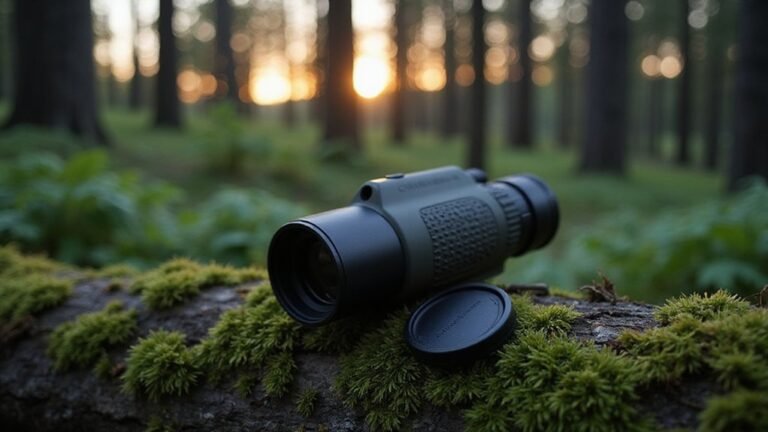
[High-Resolution Thermal Imaging]:The i4SEE EM10-256 Thermal Imaging Monocular features a 256×192 uncooled VOx infrared detector and a 10mm F1.0 lens, delivering a detection range of up to 500 meters (550 yards). With a NETD of 30mK and a 50Hz frame rate, it provides crisp, real-time thermal imaging for night vision, hunting, and outdoor adventures. Whether you're tracking game or navigating in complete darkness, this thermal monocular ensures superior performance and reliability.

Precision Thermal Detection: Equipped with a high-sensitivity sub-35mK 12m thermal detector, this thermal monocular delivers sharp, clear imaging even in total darkness, ensuring clarity for identifying heat signatures during hunts or nighttime surveillance when it matters most
When to Use a Thermal Camera for Inspections
To ensure accurate thermal imaging during inspections, timing is crucial. Schedule exterior scans during times when solar impact is at its lowest, such as early morning, to minimize surface temperature variations caused by sunlight. Maintain a stable environment with a temperature differential of at least 10°C for 24 hours prior to the inspection, allowing surfaces to reach equilibrium. For interior inspections, turn off HVAC systems and reduce air circulation to prevent artificial temperature distortions. When inspecting electrical equipment, verify that it is powered on and operating above 40 percent of its load capacity; thermal anomalies are more detectable under these conditions. For long-term data logging in remote locations, using a Class 10 SD card ensures reliable recording and storage of your thermal imaging findings. Keep in mind that a thermal camera visualizes surface temperature differences influenced by surface materials and thermal conductivity, not the materials themselves. For low-light conditions during dawn or dusk, consider using a night vision device to better navigate and set up your equipment. For large-scale or inaccessible areas, utilizing a DJI thermal drone can significantly enhance inspection efficiency and safety. Always corroborate thermal findings with other tools like moisture meters and document all observations carefully. Remember, the camera is not seeing through walls but rather detecting heat patterns on surfaces.

【AI Scene Recognition with IntellFault】HF96 features HSFTOOLS' unique IntellFault technology for automated scene detection. Powered by deep learning, it swiftly identifies water leaks and insulation gaps location, making thermal inspections simpler and faster. Download the latest firmware from the HSFTOOLS website to upgrade your device, then select "Scene" in the settings to explore its features. Note: No moisture readings.