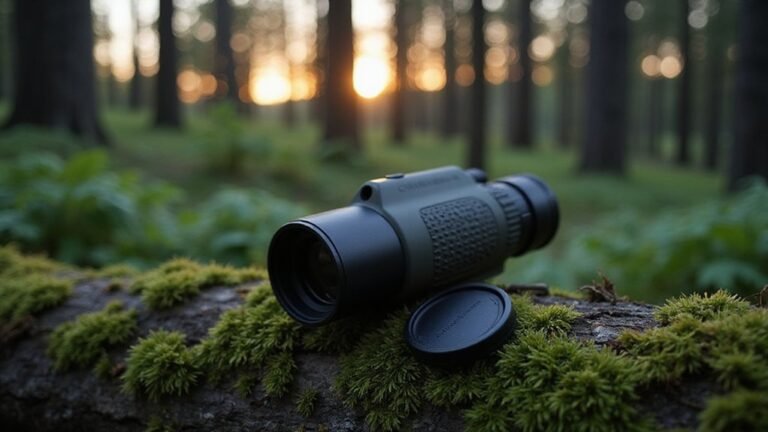
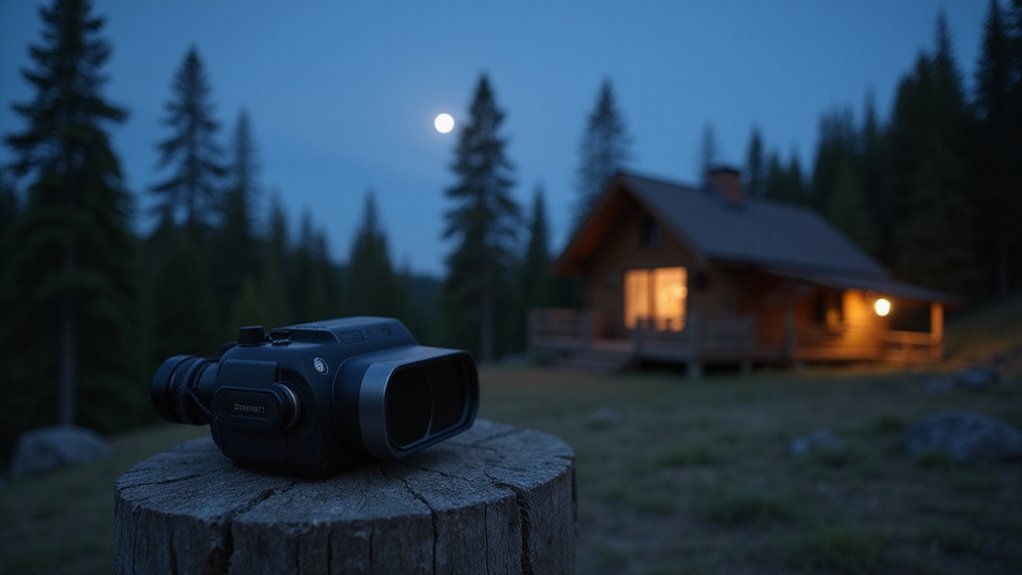
Night Vision or Thermal Imaging: Which Is Best for You?
Figuring out whether night vision or thermal imaging suits your needs can feel overwhelming.
Each offers unique abilities: night vision helps you see clearly in low light, while thermal imaging detects heat signatures through darkness or obstacles.
Your choice depends on what you need to accomplish and your budget.
Keep reading to understand which technology fits your situation best.
How Do Night Vision and Thermal Imaging Work?
Night vision and thermal imaging operate on fundamentally different principles. Night vision amplifies tiny amounts of ambient light, such as starlight or moonlight, through its objective lens. This light hits a photocathode, which emits electrons in response. These electrons are then amplified millions of times by a microchannel plate, producing a stronger signal. The electrons hit a phosphor screen, creating a visible image that appears in shades of green, which you see through the ocular lens. These devices primarily operate by amplifying visible light and near-infrared spectra. The advanced components involved are a major factor in night vision goggles costs.
Thermal imaging, on the other hand, detects heat emitted by objects. It uses a microbolometer sensor to measure infrared radiation based on an object’s thermal emissivity, which varies with temperature. Because it relies on heat differences, thermal imaging doesn’t need any ambient light to work. The sensor collects this infrared data and processes it into a thermogram, which is displayed with color mapping to represent temperature variations. To build a protective housing for such a sensitive device, a carefully planned DIY guide is an excellent resource for outdoor enthusiasts.
Light Amplification vs. Heat Detection: The Core Difference
Night vision and thermal imaging differ fundamentally in how they detect and generate images. Night vision works through light amplification: its image intensifier tube gathers ambient light, including faint sources like starlight, and significantly boosts it to produce a visible image. This method depends heavily on the presence of even minimal external light, making it ineffective in complete darkness. Some older generations of this technology, like red night vision goggles, have even been banned for consumer use due to safety and performance issues.
Thermal imaging, on the other hand, detects infrared radiation emitted by warm objects, regardless of external lighting conditions. Its sensors are sensitive to small temperature differences, which allows it to create images based on heat signatures. This technology operates independently of ambient light, meaning it can see in total darkness or through obscurants like smoke or fog. Knowing the key price drivers for each technology can help you make a smarter purchase decision, just as understanding subscription management tools is crucial for modern tech services.
In essence, night vision enhances existing light to create images, while thermal imaging captures heat emitted naturally by objects. Each method relies on different physical principles: light amplification versus heat detection, affecting their suitability for various visibility scenarios.
Performance in Darkness: Why Thermal Wins With No Light
Thermal imaging operates independently of ambient light, making it highly effective in total darkness. Unlike night vision devices that rely on amplifying existing light sources like moonlight or stars, thermal cameras detect infrared radiation emitted naturally by objects due to their heat. This means your thermal camera remains fully functional with zero light, continuously picking up infrared signatures from heat sources. It can distinguish objects based on temperature differences, producing clear contrast even in absolute darkness. For example, you can spot a human signature over 500 meters away without any illumination. Since thermal imaging is passive—it detects heat rather than projecting light—it doesn’t suffer from shadows or cloud cover that can interfere with visible-light devices. This allows for consistent 24-hour operation, ensuring no capability is lost just because the lights go out. This fundamental difference stems from the underlying technology each system employs. Understanding these technologies can also help you make a more cost-effective choice when selecting equipment. At its core, a thermal imager works by converting infrared radiation into a visible image. Outdoor enthusiasts and hunters can effectively observe stealthy wildlife like foxes and deer in complete darkness, as demonstrated during night hikes with thermal scopes.
Image Detail: Why Night Vision Enables Better Recognition
Night vision delivers superior image detail necessary for recognition because it relies on reflected ambient light rather than emitted heat. Its high-resolution intensifier tubes produce sharp edges and strong contrast, revealing fine details like facial features or fabric weave that thermal imaging cannot show, as it appears as a uniform heat blob. Additionally, night vision can display colors in low moonlight, enhancing contrast and identification. Building your own thermal imaging device requires selecting components that match your desired sensitivity and resolution.
This clarity allows you to see through attempts at object concealment using materials that may offer thermal camouflage. Since night vision relies on reflected light, it can detect subtle differences and details even when the object is designed to hide heat. For those interested in thermal applications, understanding thermal camera resolution is key to comparing capabilities. While thermal imagers function effectively in complete darkness, they often require you to get closer for positive identification because their softer heat gradients lack the definitive edge detail that night vision provides. The ability to distinguish fine details is measured by high resolution expressed in line pairs per millimeter, with higher values yielding sharper images for identifying objects and reading signs. When evaluating any night vision gear, considering trail camera performance in low light offers a practical benchmark for real-world clarity.
Comparing Key Specifications: Range, Resolution, and Clarity
Night vision or thermal imaging: which is best for you?
Comparing key specifications: range, resolution, and clarity
Thermal imaging generally provides a longer detection range than night vision, often exceeding 1,000 meters, while night vision typically maxes out around 300 to 500 meters. This makes thermal imaging better suited for spotting objects at greater distances, regardless of lighting conditions or foliage that might obscure vision. Its ability to detect heat signatures allows it to work effectively day or night, providing dependable detection in complete darkness or challenging environments.
However, thermal imaging’s thermal resolution is usually lower, meaning it emphasizes heat contrast over fine details like facial features. Night vision, on the other hand, offers much higher resolution images, enabling detailed recognition of faces or reading written text but within a limited range. Its effective detection is often dependent on ambient light and can be hindered by obstructions such as thick foliage or total darkness. Additionally, night vision devices tend to have better ergonomics, with longer battery life and improved depth perception, which can be advantageous for prolonged use. Third-generation night vision tubes, such as those manufactured by ITT, provide exceptional clarity and long-distance vision, often exceeding 200 yards.
Ultimately, thermal imaging trades off detailed identification for extended detection distance, while night vision prioritizes high-resolution, close-range recognition. Your choice depends on whether long-range detection or detailed visual clarity is more critical for your needs.

High-Resolution Thermal Imaging: Equipped with a 2-inch display and 320240 resolution thermal camera, this scope offers clear heat signatures with real-time 50Hz refresh rate and 3x digital zoom for spotting targets up to 100 meters away

[High-Resolution Thermal Imaging]:The i4SEE EM10-256 Thermal Imaging Monocular features a 256×192 uncooled VOx infrared detector and a 10mm F1.0 lens, delivering a detection range of up to 500 meters (550 yards). With a NETD of 30mK and a 50Hz frame rate, it provides crisp, real-time thermal imaging for night vision, hunting, and outdoor adventures. Whether you're tracking game or navigating in complete darkness, this thermal monocular ensures superior performance and reliability.

Clear Target ID with Dual Light Fusion: Combines 256×192 thermal imaging and 2K visible light to help identify targets and terrain with greater confidence in low light or darkness. Note: This device does not have night vision functionality.
Matching Technology to Your Activity: Hunting, Security, and More
Thermal imaging is generally better for activities in total darkness, fog, or through brush over long distances, as it detects heat signatures regardless of ambient light conditions. Night vision, on the other hand, excels at closer ranges where identifying details of game or targets is essential, as it amplifies available light to produce detailed images.
In hunting, thermal imaging allows you to spot heat sources from a distance, making it ideal for finding game in challenging conditions. Night vision provides clearer images of the target’s shape and features when you need precise shot placement and ethical hunting. For security purposes, both technologies have their strengths. Thermal imaging is weather resistant and effective in detecting breaches around the perimeter in all conditions. Night vision offers better facial detail recognition, useful for verifying identities in well-lit or moon-lit environments. The same principle of balancing detectability and detail applies to choosing between low glow and no glow cameras for wildlife monitoring.
Your environment plays a key role. Thermal units operate effectively anywhere, including adverse weather, since they do not rely on ambient light. Night vision devices require some level of existing light or infrared illumination to function properly. Consider also power consumption: night vision generally offers longer battery life, making it suitable for extended operations. Thermal units tend to consume more power, especially in cold weather where their heat contrast becomes more pronounced.

Fast Targeting. Wide Field of View: The RattlerV2 19-256 offers a 2.5x base magnification and a wider field of view — ideal for close- to mid-range scanning and fast-moving targets. Whether you’re hunting hogs in thick brush or predators on the move, this thermal scope keeps your target in sight and your response time sharp.

【256x192 RESOLUTION】- Features with a 12μm sensor with an impressive NETD<25mK and a high refresh of 50Hz, enabling you to detect subtle temperature differences in various weather.
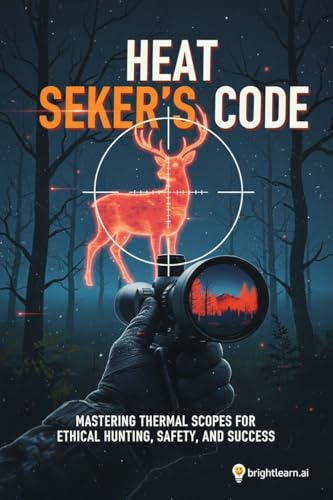
Cost Comparison: Breaking Down the Investment for Each
Cost comparison varies significantly depending on the capability tier you choose. Entry-level night vision devices, such as Gen43 models, typically cost a few hundred dollars, making them the most budget-friendly option for initial investment. Basic thermal monoculars generally start around $350 to $500, offering an alternative with thermal imaging capabilities. For drone-based thermal imaging, the sensor type and resolution are key factors influencing the final purchase price. Moving into mid-tier options, Gen 2+ and Gen 3 night vision systems range from approximately $400 to $3,500, often costing 20 to 30 percent less than comparable thermal units with a resolution of 320 by 240 pixels. Higher-end, professional-grade systems for both technologies come with substantial price premiums. When evaluating options, you should consult comprehensive night vision goggles reviews to compare specific models on quality and performance. Remember to account for operational costs like battery life, since thermal sensors tend to consume more power. Additionally, consider whether features like image stabilization are necessary, as they can add to the overall expense. Your available budget directly influences which performance level you can access, shaping your choice between affordability and advanced features. For thermal scopes specifically, key features like built-in laser rangefinders can significantly enhance your experience and utility.

Day or Night Viewing - Capture video in both daytime and nighttime modes. Store files directly to a microSD card for easy viewing and sharing.
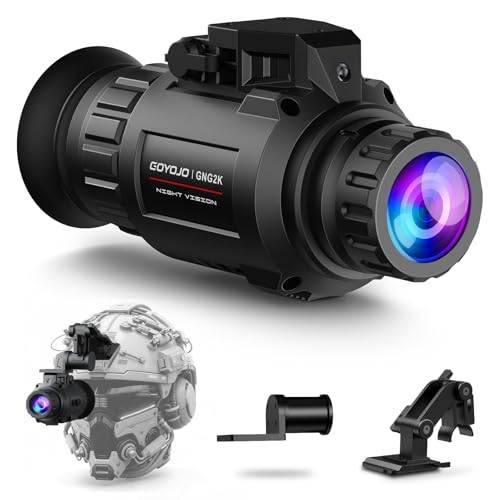
Ultra-Clear 2K Resolution – See What Others Can’t: GOYOJO GNG2K Night Vision Monocular delivers sharp 2688x1520 HD night vision with a smooth 60Hz refresh rate. Whether you’re securing your property, spotting coyotes at night, or navigating a pitch-dark trail, you’ll enjoy crystal-clear visuals without lag or blur — even in total darkness.
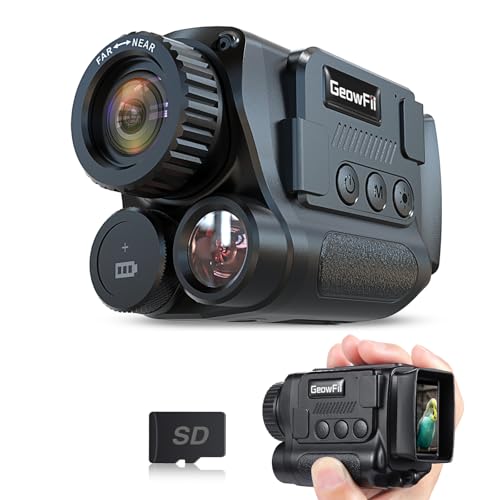
4K Upgraded & Practical—— GeowFiiTech Night Vision Monocular features a 4K version with a 25mm multi-coated lens, enhancing imaging for day and night use. With 4K video, 40MP photos, and essential functions, this monocular night vision meets outdoor needs effectively
Hybrid Systems: Combining Thermal and Night Vision
Hybrid systems that combine thermal imaging and night vision provide a streamlined, single-unit solution that eliminates the need to switch between separate devices. This integration merges image intensification for night vision with thermal detection, offering multi spectral layering. Thermal spots highlight heat signatures at long range, while night vision clarifies detailed shapes in low-light conditions. This fusion significantly enhances your detection speed and situational awareness in challenging environments like fog or tall grass. For capturing dynamic footage in these conditions, a top night vision GoPro can be invaluable. The combined system reduces eye strain by presenting a single fused image, improving comfort during prolonged use. Understanding the specific strengths of each technology is key when comparing thermal cameras.
Devices such as the Pulsar Thermion Duo DXP55 exemplify this technology. Selecting a high-quality professional thermal camera is crucial for ensuring the performance of the integrated thermal component. However, keep in mind that these systems require ambient light for the night vision component and a heat differential for thermal imaging to operate effectively. They tend to be heavier and more complex than single-purpose optics, which can impact maneuverability and ease of use.
Your Buying Checklist: 5 Critical Questions to Ask
When choosing an optic, the first question to ask yourself is whether you need detection or recognition technology. Detection systems alert you to the presence of heat sources, making them ideal for spotting animals or people at a distance. Recognition devices, on the other hand, provide detailed images to identify specific subjects. Your choice here guides the core technology you’ll need. For detection at long ranges, thermal is considered a game changer for instantly spotting animals.
Next, evaluate your operating conditions. If fog, smoke, or brush are likely to obscure your view, thermal transparency becomes a priority. Thermal imaging that penetrates these elements can be more valuable than a detailed visual image. Conversely, if you’re working in clear conditions, high-resolution visual optics may suffice. For scanning in darkness, dedicated thermal scopes are far more effective for detection than traditional night vision devices.
Assessment of your environment is crucial. Will ambient light be available, or do you require equipment capable of functioning in total darkness? Night vision devices rely on existing light, sometimes amplified, whereas thermal optics operate independently of ambient light sources, providing consistent performance regardless of lighting conditions.
Considering build quality is essential, especially if your device will be subjected to rough handling or used during daytime. Not all night vision equipment is durable; some are vulnerable to impacts, moisture, or debris. Confirm the device’s durability ratings and whether it has weatherproof or shock-resistant features to ensure reliable operation in tough environments. Popular mounts like QD mounts provide secure attachment and excellent zero retention for your scope.
Finally, scrutinize key specifications like resolution and thermal sensitivity. Higher resolution improves image clarity, making identification easier, while better thermal sensitivity allows detection of smaller or more subtle heat signatures. Both factors directly influence the effectiveness and overall value of the device and should align with your specific operational needs. Understanding the cost of a thermal scope can help you budget effectively for the features you need.

TURN YOUR DAY SCOPE INTO A THERMAL OPTIC IN SECONDS — Clip-on design mounts in front of your existing scope without affecting zero, magnification, or reticle. Keep the optic you trust and add thermal only when you need it.

Quick View: Explore the Oneleaf.ai Mars MT1000LRF, a cutting-edge thermal imaging scope with interchangeable lenses, ultra-sensitive NETD <20mK detection, 640x512 Sensor, 2x base magnification, 1x-8x digital zoom, 30/50/60Hz adjustable Refresh Rate and advanced features like a built-in Rangefinder and Ballistic Calculator. Perfect for hunting, security, and outdoor adventures.

【Advanced Thermal Sensing】: The GOYOJO Thermal Imaging Monocular features a state-of-the-art 256x192 thermal imaging camera sensor paired with a 12μm infrared detector. Unlike traditional night vision devices, it ensures swift and precise thermal detection, providing enhanced visibility in various lighting conditions.
Making the Final Choice: A Decision Framework for Your Needs
To choose between thermal imaging and night vision, prioritize your primary detection needs. Thermal imaging excels at spotting heat signatures in total darkness or through obscurants such as fog, smoke, or foliage, thanks to its high sensor sensitivity to heat differences. It allows you to detect living beings and machinery without relying on ambient light. Night vision, on the other hand, amplifies available light—like moonlight or starlight—to provide clear images in low-light conditions. It is ideal for recognizing faces, reading signs, or navigating familiar territory when some light is present.
Examine your environment carefully. If your terrain frequently presents fog, smoke, or other obscurants that block visible light, thermal imaging remains effective while night vision capabilities diminish. Conversely, in well-lit or minimally obstructed areas, night vision devices can offer higher-resolution images at a lower cost.
Assess the practical considerations. Thermal devices typically consume more power and tend to be pricier, especially models that offer high resolution and advanced features. Your budget will influence whether you opt for a high-detail night vision system suitable for recreational use or an all-weather thermal device designed for professional or tactical roles. For the highest flexibility, some users combine both technologies, switching between or integrating them to cover a broader range of conditions.

Precision Thermal Detection: Equipped with a high-sensitivity sub-35mK 12m thermal detector, this thermal monocular delivers sharp, clear imaging even in total darkness, ensuring clarity for identifying heat signatures during hunts or nighttime surveillance when it matters most

UNMATCHED CLARITY: With a high IR resolution of 256x192 and a smooth 50Hz refresh rate, the thermal monocular provides vivid thermal images, capturing every detail of your surroundings with precision.

Head-mounted thermal vision - The Nightfox Arctic provides clear thermal imaging in total darkness and records footage onto the included 32GB memory card. Ideal for tactical operations, security and outdoor use, with multiple colour and heat filters to suit different environments.