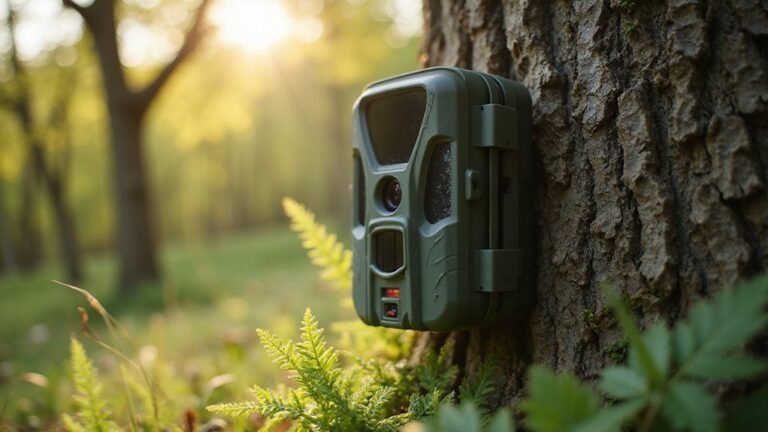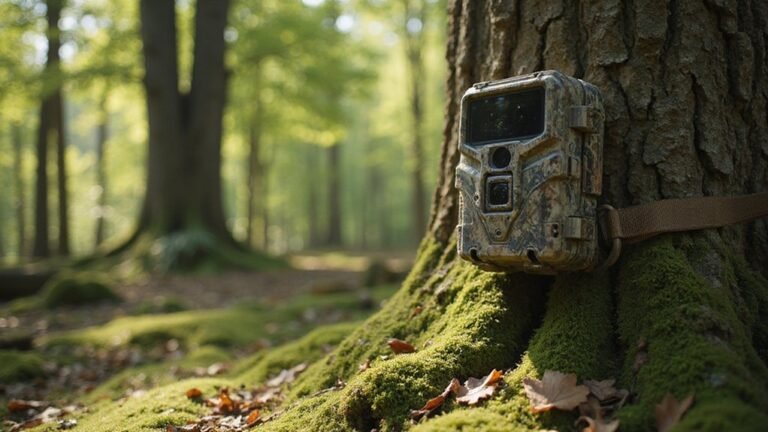
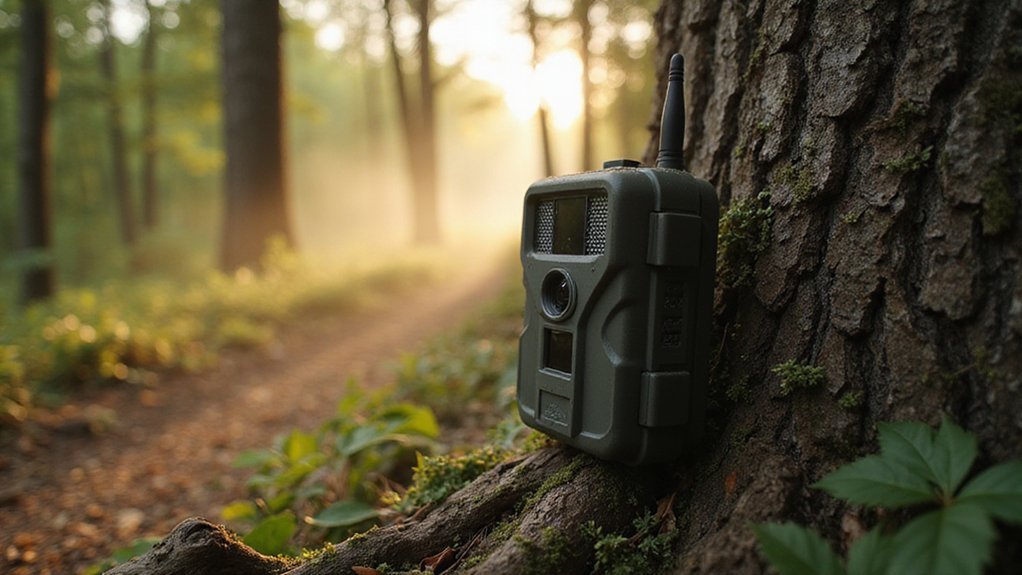
What Is a Stealth Cam? The Ultimate Guide to Trail Cameras
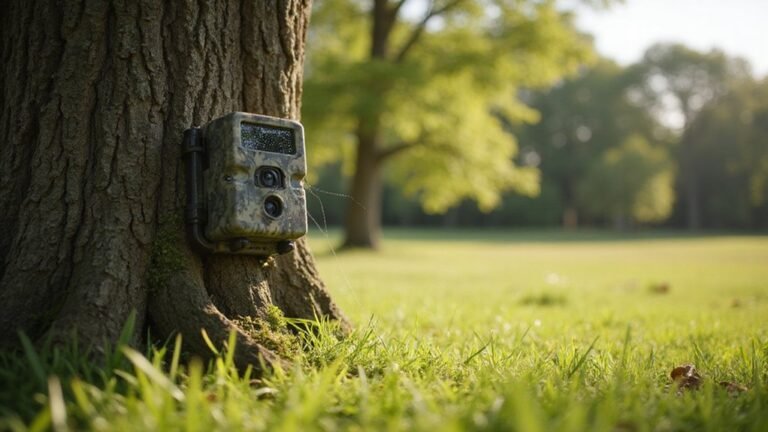
Wondering what a Stealth Cam really is? It’s a tough, outdoor-mounted device that uses heat and motion sensors to capture clear photos or videos of wildlife, property, or remote areas—day or night.
Some models send alerts straight to your phone, while others store footage on SD cards, offering reliable performance without monthly fees.
Keep reading to learn how to choose and place the right one for your needs.
What Is a Stealth Cam? Brand vs. Generic Spy Camera
A Stealth Cam is a purpose-built device designed for reliable monitoring rather than concealment. Unlike generic spy cameras that prioritize being hidden and tiny, a Stealth Cam is openly functional and durable, suitable for outdoor environments like farms, property boundaries, or hunting zones. In fact, while night vision goggles amplify ambient light for live viewing, trail cameras often use similar image intensifier technology to capture clear images in total darkness. This technology typically produces a green-hued image because the human eye can distinguish more shades of green than any other color, making the green phosphor screen optimal for detail recognition. It offers an integrated ecosystem with features such as cellular connectivity and app support, ensuring you can access footage remotely with ease. This method contrasts with thermal scopes that detect heat signatures rather than amplifying light. Because of its branded quality, you get a device designed to withstand the elements and provide consistent, long-term performance. This focus on build quality and technological support makes it a dependable choice for serious surveillance, rather than a low-cost novelty or a hidden lens with uncertain longevity. The device utilizes dual network SIM cards for uploading images and videos without needing Wi-Fi.
How Do Stealth Cams Work? Motion Triggers, Night Vision, and Cellular Uploads
Stealth cams work primarily using passive infrared (PIR) sensors, which detect changes in heat rather than movement itself. When a warm animal passes across the camera’s view from side to side, the sensor registers a rapid shift in heat signatures, activating the camera to capture an image or video. You can adjust the PIR sensitivity to reduce false triggers caused by moving shadows, branches, or changing light conditions, helping ensure you only record relevant activity. For added protection against theft or damage, you can build a security box using basic tools and materials to house the camera.
At night, stealth cams switch to infrared illumination automatically. This allows them to capture clear images in total darkness without using white light, which could startle or alert wildlife. Many models feature a detection and flash range of up to 100 feet, making it possible to monitor distant activity while remaining unobtrusive. The cost of these cameras varies widely based on resolution quality and detection speed. Understanding the difference between night vision and thermal technology can help you choose the best camera for your specific monitoring needs.
Cellular-enabled models take convenience a step further by uploading photos directly over AT&T or Verizon networks. This means you receive remote alerts and can review footage without physically retrieving the SD card. Adjusting delay settings and PIR zones within the camera’s menu allows you to fine-tune what triggers the camera, minimizing unnecessary captures and conserving battery life. For example, advanced models include 360° imaging capabilities that eliminate blind spots, capturing motion in every direction with a single device.
Stealth Cam vs. Hidden Camera vs. Trail Cam: Which Do You Need?
Understanding how stealth cameras work helps you decide which type suits your needs best. A trail camera, also called a wildlife or game camera, is designed for outdoor use. It is rugged, low-power, and features automatic photo or video capture triggered by motion and heat detection. These cameras are ideal for monitoring wildlife, securing property edges, or scouting hunting areas. Properly mounting a trail camera often requires a cantilever scope mount to ensure a stable, adjustable viewing angle over long distances. Choosing between different models also depends on factors like detection range, trigger speed, and image resolution, which vary significantly across game camera types available on the market. For more advanced setups, integrating a thermal sensor into a drone requires DIY thermal drone skills for stable aerial surveillance.
In contrast, a hidden camera is meant for covert recording of people. It is often disguised as everyday objects like clocks, picture frames, or charger outlets to conceal its presence. Unlike trail cams, hidden cameras focus on discreet surveillance and tend to be smaller with features tailored toward inconspicuous placement.
Legal considerations are crucial before purchasing. Hidden cameras typically require explicit consent to record people, especially indoors or in private spaces. Trail cameras generally do not, but rules vary depending on jurisdiction. Always ensure your use complies with local laws.
Maintenance is also key. Regularly check memory cards and batteries, and clean the lens to maintain clear images. Proper upkeep ensures reliable performance of whichever device you choose—whether for wildlife observation or discreet monitoring.
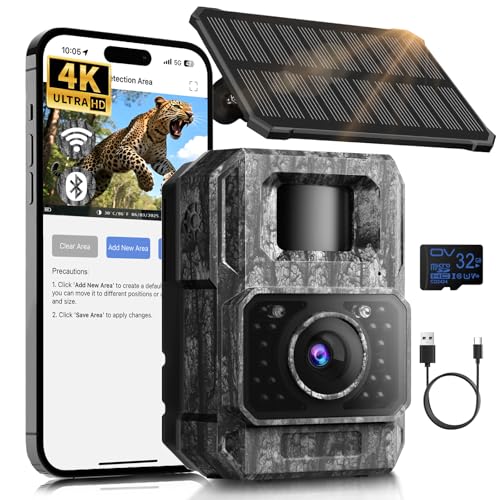
𝐍𝐎𝐓𝐄: 𝐢𝐭 𝐢𝐬 𝐍𝐎𝐓 𝐜𝐨𝐦𝐩𝐚𝐭𝐢𝐛𝐥𝐞 𝐰𝐢𝐭𝐡 𝐡𝐨𝐦𝐞 𝐖𝐢𝐅𝐢, 𝐝𝐨𝐞𝐬 𝐍𝐎𝐓 𝐬𝐮𝐩𝐩𝐨𝐫𝐭 𝐜𝐞𝐥𝐥𝐮𝐥𝐚𝐫/𝟒𝐆/𝟓𝐆 𝐧𝐞𝐭𝐰𝐨𝐫𝐤𝐬, and 𝐝𝐨𝐞𝐬 𝐍𝐎𝐓 capable of real-time motion alerts or push notifications. The camera creates its own short-range Wi-Fi hotspot (𝐍𝐨𝐧-𝐂𝐞𝐥𝐥𝐮𝐥𝐚𝐫) for setup, and downloading files only. Wi-Fi range is up to 33–50 ft in open areas. The camera records automatically even when your phone is not connected. No subscription or monthly fees
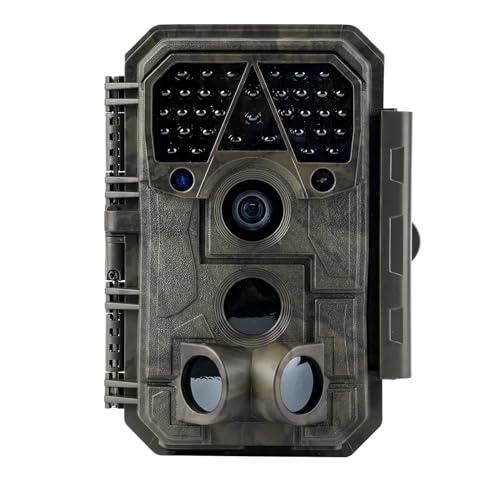
Crystal-Clear 64MP Photos & 1296p HD Video – Stunning detail day or night, thanks to advanced image tech and a high-performance f/1.6 aperture lens.

New version trail cam: Clear Day & Night Imaging Capture sharp 64MP photos (adjustable: 5/16/36/48/56/64MP) and smooth 4K HD videos (3840x2160P /2560x1440P). The high-quality optical lens ensures crisp daytime images and night vision performance, making it ideal for wildlife observation, deer scouting, and property surveillance.
Top Features That Matter: Megapixels, Trigger Speed, and Detection Range
Trigger speed is the most critical spec for capturing fast-moving animals, with under 1 second being ideal. A faster trigger speed means your camera can detect motion, capture the image, and save it before the animal moves away or is gone from view. If your camera takes longer than a second, you’ll risk missing swift wildlife entirely. Historically, as camera technology has advanced, trigger speeds have become faster, making it easier to catch those quick moments in nature. It’s better to prioritize a trigger speed below 1 second to ensure you don’t miss fleeting wildlife activity, rather than chasing higher megapixel counts. Even with high resolution, a slow trigger delay can render your camera ineffective for active species. For comparison, thermal scopes also require fast response times to capture fleeting heat signatures in the field. However, even the fastest trigger speed won’t help if your camera fails to fire, so you should also check for common setup issues like dead batteries or a full SD card that silently halts all operation. For beginners, understanding how to choose and use a thermal clip-on can help you adapt to low-light conditions where trail cameras struggle.

ADVANCED DUAL-NETWORK CONNECTIVITY: Equipped with two pre-installed SIM cards, the Terra XT 3.0 automatically connects to the strongest available signal between Verizon and AT&T, ensuring reliable coverage and consistent performance in remote hunting locations without the hassle of manual network selection.

【You will need to prepare your own mini SD card.】Higher Resolution And More Advanced Technology: This trail camera has 24 megapixel stills and 1080p HD video, using features 90° wide angle premium optics and an advanced image sensor that allows you to capture images of animals from multiple angles and with clarity, and even see wounds on some of the animals. The Mini301 Trail Camera uses advanced H.264 video encoding that eliminates the need to download and preview video and images. video and images can be previewed without the need to download.

QS20 TRAIL CAMERA - The QS20 is a 20MP compact scouting camera with an 80Ft LoGlo infra-red detection range; Game surveillance becomes a breeze as each image will display the time, date, & moon phase to give you detailed information on your target area
Cellular vs. Non-Cellular Stealth Cam: How to Choose
Cellular models are better suited for real-time updates, while non-cellular models excel in long-term reliability. Cellular cams send photos directly to your phone through a cellular network, which means you’ll get instant alerts and images. However, they require a data plan and a strong signal; without those, images may not transmit or arrive late. Unlike traditional analog systems, these devices use digital image processing to enhance clarity in low-light conditions, which is a core advantage covered in modern night vision technology. For homeowners concerned about energy efficiency, the same thermal detection principles apply when using top-rated thermal cameras to identify insulation gaps and heat loss.
Non-cellular cameras store images on an SD card, with no monthly fees. They work well in remote areas where cellular signals are weak or nonexistent. These models typically last 6 to 12 months on a set of batteries because they only activate when triggered, unlike cellular models that constantly transmit data and drain power faster. Some cellular cameras can take fewer pictures overall than comparable non-cellular models over extended periods, as seen in tests where a tactical camera recorded 1,266 pictures versus a Browning’s 1,739 after about 1,068 hours.
Choosing between them depends on your monitoring needs. Cellular cams are ideal for remote surveillance where immediate updates matter. Non-cellular models suit long-term use, budget constraints, or locations without reliable cell service. Keep in mind battery life differences: cellular units often last 2 to 4 months before needing a recharge, while non-cellular units tend to last much longer without maintenance. For buyers who also value durable construction, understanding where components like Pulsar thermal scopes are manufactured can provide insight into build quality and engineering standards.

【Industry-First SignalSync No-SIM 4G Network Tech】–MagicEagle cellular trail camera adopts exclusive cloud card technology to automatically connect to the strongest signal and optimal network segment of major carriers. Eliminates cumbersome physical SIM card installation, effectively reduces network latency and ensures stable, fluent real-time streaming and photo/video transmission, delivering a superior 4G network experience than ordinary cellular trail cameras.

【No Wi-Fi 4G LTE Cellular Trail Cameras 】This trail camera functions with 4G signals, supporting Verizon, T-Mobile, and AT&T networks. Our deer camera has a built-in prepaid 4G LTE SIM card, offering a 7-day unlimited data trial upon first use. After the trial period ends, users need to recharge the data plan through the app. Data plans range from $19.90/month to $169.90/year per camera. (Other data plans are available; each device requires a separate data plan subscription and cannot be shared.) Note: Only the included SIM card can be used (the SIM card is not detachable). The SIM card supports local use within the U.S. only and does not support cross-regional usage.
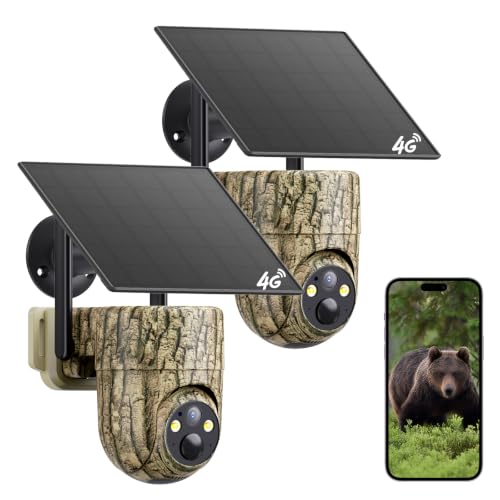
【4G LTE Cellular Connectivity, Works without WiFi 】The Oculview cellular trail camera comes with an embedded 4G LTE SIM that connects to major US network carriers (AT&T, T-Mobile, AT&T) upon power‑on for steady remote access. No separate SIM purchase or local WiFi connection is required. Flexible cellular service plans are available for ongoing use, including monthly ($19.9 per camera) and annual ($169.9 per camera) unlimited‑data options to match your monitoring needs.
How to Set Up Your Stealth Cam: Placement, SIM Cards, and the Command Pro App
To set up your Stealth Cam correctly, focus on optimal placement, SIM card installation (for cellular models), and using the Command Pro app. Mount the camera 3 to 4 feet high, angled 45 degrees toward the trail, and positioned 10 to 15 feet away from it. This height and angle help capture clear images of passing wildlife without excessive distortion. Keep the lens away from east or west-facing directions to avoid glare that can wash out photos. Unlike night vision binoculars, which often require manual focus adjustments to sharpen images in very low light, your trail camera uses fixed optics optimized for motion detection.
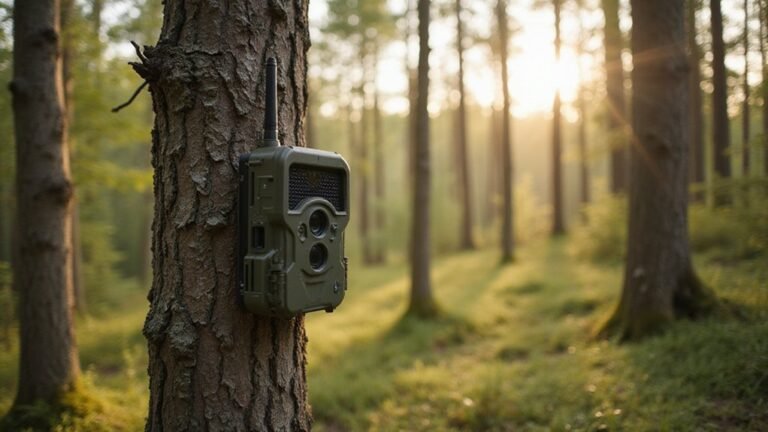
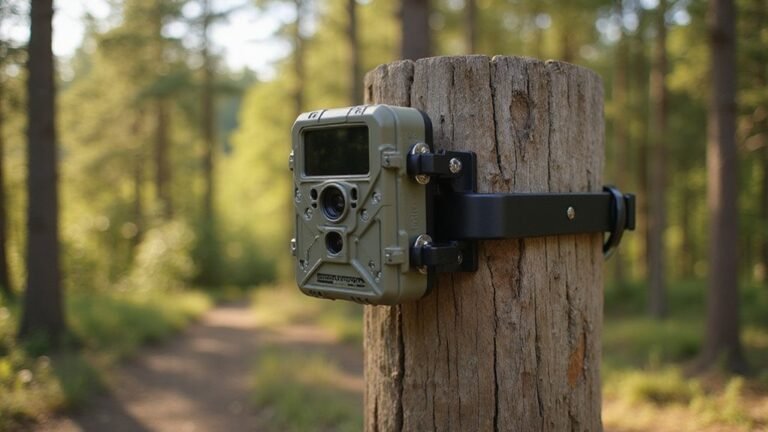
Use stable mounting techniques by attaching the camera firmly to a tree or sturdy post, with a slight downward tilt to cover the trail effectively. Place the camera on the shaded side of the trail if possible, to prevent sun glare and protect it from weather exposure. Clear any brush within three feet of the sensor to minimize false triggers caused by moving vegetation. For a secure attachment, use a cinch-down mounting strap instead of bungee cords to ensure the camera stays level and stable in wind or heavy rain.
For cellular models, insert the SIM card before powering up and double-check its compatibility with your data plan. Insert the SIM card carefully into the designated slot, ensuring a snug fit to avoid connection issues. After the hardware setup, open the Command Pro app to pair your camera, adjust motion sensitivity settings, and run a field test. Walk across the trail area during testing to confirm the camera detects movement properly before finalizing your placement. Unlike a standard smartphone, a Stealth Cam does not include a thermal camera sensor for detecting heat signatures. Avoid pairing the camera with other accessories until your field setup is confirmed and working well. For comparison, understanding a thermal imager’s ability to detect heat signatures in total darkness can help you appreciate why your trail camera relies on motion and infrared LEDs instead.

Package includes:4 piece trail cam straps with 1inch wide/6.6 feet length with heavy duty sturdy metal cam buckle,and work strength 550lbs,break strength 700lbs.


【Strong and Durable】6.6Feet Long,1 Inch Width,Long-Lasting Alloy Buckle,Made of high tensile strength nylon, max 1800 LBS load capacity.
Power and Data Plans: Battery Life, Solar Options, and No-Wi-Fi Use
Battery life depends heavily on your setup’s demands, including battery type, temperature, photo volume, and night activity, so you should expect a wide range. Lithium AA cells are your best choice for conserving power—they outperform alkaline batteries in cold weather and high-drain situations. With light use, you can expect to get weeks of runtime; heavy night activity, however, might reduce that to just a few days. For extended sessions, some covert models record while charging for continuous surveillance.
Power sources make a significant difference. Solar panels can extend your camera’s battery life dramatically, especially in high-traffic areas, by recharging daily in direct sunlight. External battery packs are also useful options to keep your system running longer without frequent replacements. For a low-cost alternative, affordable night vision units often use similar energy-saving tactics to maximize runtime. If your camera becomes unresponsive, performing a factory reset can restore default settings and resolve power-related glitches.
Using the camera without Wi-Fi saves power since it only activates for captures and local storage. Eliminating cellular transmission drastically improves battery life, but trigger frequency and flash use still drain power over time. Plan your setup accordingly to balance functionality and battery conservation.

Solar Powered & 6000mAh Rechargeable Battery: This solar trail camera with built-in 6000mAh rechargeable lithium battery, combined with high-efficiency solar charging, providing uninterrupted power for outdoor use. No need to frequently replace disposable batteries, saving time and cost. It offers long-lasting, maintenance-free performance for year-round wildlife monitoring, hunting and nature observation.

[SET IT & FORGET IT POWER] This solar‑powered trail camera includes a top‑mounted solar panel and built‑in 5200mAh rechargeable battery, providing consistent power for extended outdoor monitoring. You can also add 4 AA batteries (sold separately) as a backup power source to keep your game camera running during cold weather or prolonged rainy days. For best results, fully charge the internal battery via USB for 8 hours before first use. Solar charging efficiency varies with sunlight intensity and exposure time

1 MINUTE MAGNETIC QUICK INSTALL: This backup camera for truck features a base with 6 powerful magnets made from "3rd generation rare earth permanent NdFeB magnets." It remains functional in extreme conditions, withstanding temperatures as low as -452°F and as high as 1166°F without demagnetizing or falling off. The wireless backup camera base is coated with a soft rubber layer, offering excellent wear resistance while protecting your vehicle's paintwork without compromising the magnetic strength
Common Uses for a Stealth Cam: Wildlife, Security, and Remote Monitoring
Trail cameras excel at remote wildlife monitoring, security, and perimeter surveillance. You use them to gather non-invasive data on elusive animals, track movement patterns, and determine the presence of species without disturbing their habitat. This makes them especially useful for studying feeding behaviors, migration routes, or population estimates in sensitive environments.
In security applications, you’ll place cameras covertly using advanced camouflage techniques to blend into the surroundings. These cameras detect intruders, record evidence of vandalism or theft, and can send remote alerts to your device for quick response. For monitoring hard-to-reach places like fences or remote perimeters, the cameras provide continuous observation with minimal maintenance. This capability supports long-term landscape management, poaching detection, or property protection—all while reducing the need for frequent site visits.
Why Stealth Cam Builds Better Trail Cameras Than Competitors
Stealth Cam builds better trail cameras through a combination of advanced hardware and intuitive software that save you time and frustration. You can control your camera instantly via the Command Pro app on your phone, so there’s no need to fiddle with on-device buttons. Features like False Image Detection and PIR Zone Selection automatically filter out empty frames, ensuring you don’t waste hours reviewing useless footage. Battery life stands out, with many users getting a full season on a single set of AAs. The camera’s high-resolution 26 MP images, combined with a 0.4-second trigger speed, deliver clear shots even up to 80 feet away. Built-in memory replaces SD cards, allowing you to access and manage media remotely via the app. Built-in memory and GPS capabilities reduce the amount of gear you need to carry into the field. Overall, Stealth Cam offers a reliable, durable package that often outperforms more expensive options without sacrificing quality.