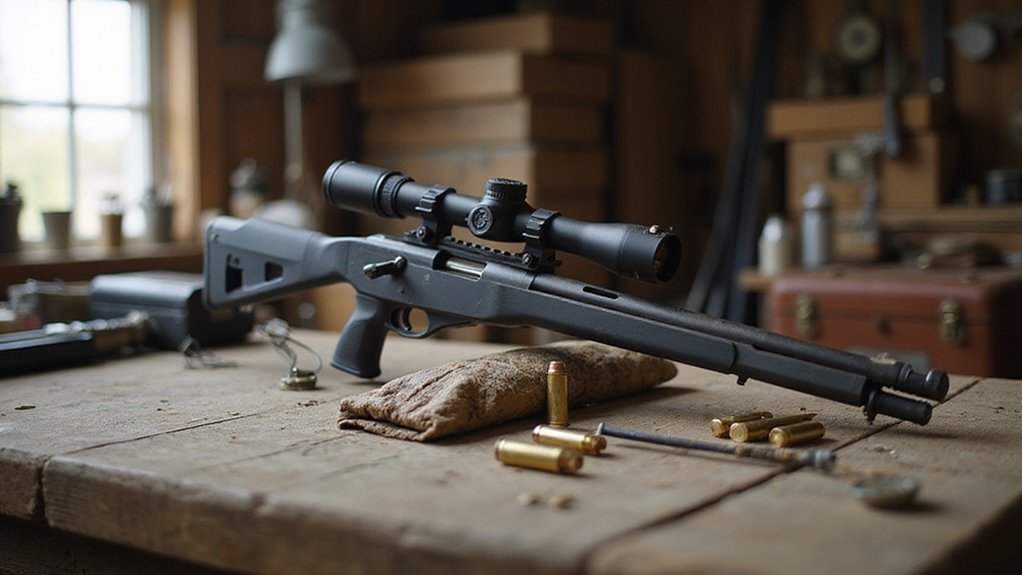
What Is a Cantilever Scope Mount?
Finding the right way to mount your scope can make a big difference in your shooting accuracy. A cantilever scope mount is a popular choice, especially for rifles used at longer ranges, because it extends the optic forward over the handguard.
This design improves eye relief, keeps your sight picture steady, and handles recoil better. Keep reading to learn how it might fit your shooting style.
What Exactly Is a Cantilever Scope Mount?
A cantilever scope mount is a single-piece unit that combines the base and rings into a rigid structure. Its forward section extends ahead of the main mounting point, often over your handguard, which projects your scope forward. This design provides more clearance from your eye and allows for quick, precise adjustments. Because it’s constructed as one solid piece, it offers superior mount stability by eliminating the risk of shifting or wobbling between separate rings. Unlike night vision devices, which amplify ambient light, thermal imaging detects heat signatures and works in total darkness; for those seeking a comparable electronic viewing solution, thermal camera apps can simulate heat detection using a smartphone’s sensors. The mount secures directly to your rifle’s Picatinny or Weaver rail. Typical forward offsets range from 1.5 to 3 inches, giving you better positioning for your scope. The cantilever design enhances material durability since you’re not relying on separate rings that can loosen or shift under recoil. This setup is especially popular on AR-style rifles, providing a reliable and no-wobble solution for securing your optic with confidence.
Why You Need a Cantilever Scope Mount for Better Eye Relief and Ergonomics
A cantilever scope mount shifts your optic forward by approximately 1.5 to 3 inches, directly improving eye relief and ergonomics. This adjustment prevents you from craning your neck into an unnatural position and makes it easier to maintain a comfortable, consistent shooting stance. When using LPVOs or short AR stocks, the forward offset means you no longer have to crawl the stock or stretch your head to see a full sight picture. Instead, your head remains upright, supporting a proper cheek weld and reducing neck strain during extended shooting sessions. For shooters who also build custom equipment, integrating a thermal drone platform into your gear setup can enhance situational awareness during range sessions or field work.
This design also optimizes your use of limited rail space. The mount’s base remains secured on the receiver while pushing the scope forward, providing room for backup sights or a magnifier. This prevents awkward rearward positioning, which is especially helpful on compact rifles. Proper mounting height and accurate optic alignment happen automatically with a cantilever mount, making it easier to shoulder your rifle, acquire targets, and shoot with consistent precision. Overall, it offers better handling and comfort without sacrificing valuable rail real estate, resulting in a more natural, ergonomic shooting experience. Using a lentils-filled shooting bag provided stable support for consistent groups during testing.
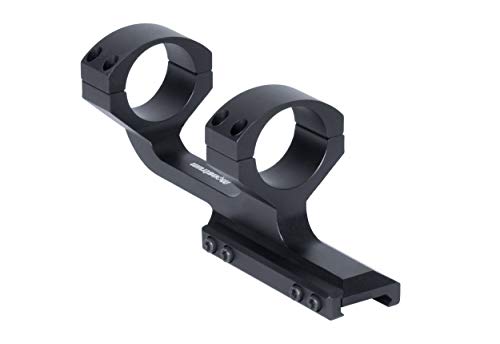
Dual ring scope mount available for both standard 1 inch and standard 30mm tube rifle scopes

Transform your rifle in an instant! With the Monstrum Hypergrip Series QD Scope Mount, you can quickly swap out your optic to meet the needs of any situation.

Mount your 30mm scope tube while positionsing the center of the scope tube at a height of 1.50” from the base.
Cantilever Mount vs. Traditional Rings: What’s the Real Difference?
A cantilever mount differs from traditional rings primarily in its mounting geometry, which significantly impacts your rifle’s fit and scope positioning. The cantilever mount shifts the optic forward by approximately 1.5 to 3 inches, allowing for improved eye relief and a better head-up shooting posture. This design eliminates the need for extra rail space because it extends the mounting surface over the receiver. In contrast, traditional rings position the scope directly on top of the receiver, relying on the rifle’s existing setup to achieve proper alignment. For bolt action rifles, the use of rings is standard due to their small solid Picatinny rail, but a cantilever mount is not typically applied because of the ring placement requirements. Unlike night vision systems, which display green imagery to optimize human contrast sensitivity in low light, a scope mount does not rely on color-based visual enhancements.
Cantilever mounts usually require a taller mounting height to accommodate the forward extension, which can make the scope sit higher over the bore. This is advantageous if you prefer a more upright shooting stance but can limit compatibility with low-profile optics designed for closer-to-bore mounting. Traditional rings keep the scope lower, reducing overall height and helping maintain a low profile over the rifle, but they don’t address issues with forward eye relief or positioning.
Additionally, a one-piece cantilever mount offers increased stiffness and easier alignment, making it more durable and precise. Separate rings provide more flexibility in placing the scope exactly where you want it, but they require more careful alignment and can be more prone to misalignment if not assembled correctly. Your choice depends on whether you need the forward offset to improve eye relief or prefer a lower, receiver-mounted setup for better stability and concealment.

30mm Scope mount : 30 mm diameter scope rings with 1.43 inch ring center height are compatible scope mount for Picatinny rails and more scope rings and mounts Made from aircraft-grade 6061-T6 aluminum alloy and CNC machined ensures precision

Use this cantilever mount for mounting 30 mm telescopic sights.

All new rigid unibody design with strategically placed lightening cuts to reduce weight
Which Rifles and Shooting Styles Benefit Most From a Cantilever Scope Mount?
Rifles with short receivers and tactical or CQB configurations benefit the most from a cantilever scope mount. These mounts provide an essential forward offset, typically between 1.5 and 3 inches, which helps position the scope more naturally over the receiver. This avoids crowding the rearward placement of the scope or bridging onto the handguard, making quick target acquisition easier in high-pressure situations. For example, night vision cameras often rely on similar forward-mounting principles to maintain consistent eye relief when paired with magnified optics. Similarly, predator hunters using these mounts can benefit from the same principles found in top predator hunting lights for improved accuracy in low-light conditions. A comparable requirement for clear infrared illumination ensures reliable target identification in total darkness, much like the infrared LEDs on Blink cameras.
They are especially advantageous when running low-power variable optics (LPVOs), as they enable a more natural cheek weld and consistent eye relief despite limited rail space. This is essential for compact AR variants, slug guns, or any rifle where the receiver length restricts traditional mounting options. The one-piece design also offers improved stability, keeping your zero intact after rapid firing or tough handling, which is crucial for tactical, practical, or competitive shooting styles.

Cantilever Scope Mount

All new rigid unibody design with strategically placed lightening cuts to reduce weight
Transform your rifle in an instant! With the Monstrum Hypergrip Series QD Scope Mount, you can quickly swap out your optic to meet the needs of any situation.
What Should You Look for When Buying a Cantilever Scope Mount?
When buying a cantilever scope mount, focus on four key factors: tube diameter compatibility, forward offset, mount height, and build quality. First, ensure the ring size matches your optic’s tube diameter—most commonly 30mm or 34mm for LPVOs. An incorrect match can cause insecure clamping and misalignment, compromising your accuracy. Check your scope’s specs before purchasing. For a different perspective, note that a quick connect mechanism on similar devices allows for rapid attachment and detachment without tools, ensuring consistent return to zero. Using a thermal camera effectively often requires a stable mounting system to prevent heat signature distortion from movement. For thermal optics, choosing a mount that withstands recoil is critical, as even slight shifts can degrade thermal performance and zero retention.
Next, evaluate the forward offset. A typical cantilever mount pushes the optic 1.5 to 2.5 inches forward, which is crucial for proper eye relief on AR-style rifles. An inadequate offset can force you into an uncomfortable or awkward head position, affecting stability and sight picture.
Then, select the appropriate mount height. A height of approximately 1.54 inches suits shooters with a standard cheek weld, while 1.93 inches is better for a heads-up stance or when wearing a larger helmet. The right height ensures a natural shooting posture and prevents eye strain.
Finally, prioritize build quality. Look for strong aluminum construction with precise machining. A well-made mount provides stability, maintains zero after recoil, and prevents tube scratches or uneven pressure points. Avoid mounts with rough finishes or inconsistent machining, as they can degrade performance and durability.

Mount your 34mm riflescope tube while positionsing the center of the scope tube at a height of 1.50” from the base.
All new rigid unibody design with strategically placed lightening cuts to reduce weight
Transform your rifle in an instant! With the Monstrum Hypergrip Series QD Scope Mount, you can quickly swap out your optic to meet the needs of any situation.
5 Key Features to Check Before Buying a Cantilever Scope Mount
When choosing a cantilever scope mount, five key features ensure you get a proper fit and reliable performance. First, verify compatibility with your rail system, whether it is Picatinny or Weaver, and ensure the mount matches your tube diameter—commonly 1 inch, 30mm, or 34mm. Mismatched dimensions can prevent secure installation and compromise accuracy. Next, select the correct height, usually around 1.5 inches for most ARs, to align your eye naturally while providing enough clearance over the barrel. Proper height helps maintain comfort and a consistent cheek weld. A cantilevered mount also elevates the scope to clear the handguard on AR-15s, reducing the need for additional rail sections on the receiver.
Check your cantilever length to ensure it offers adequate eye relief without forcing you to move your head forward excessively. An optimal length keeps the scope comfortably positioned for quick target acquisition. Opt for a single-piece design made from aircraft-grade aluminum to maximize rigidity and prevent movement under recoil, which is critical for maintaining zero over multiple shots. Finally, consider the overall weight and attachment system. Quick-detach levers enhance accessory compatibility and ease of removal, but you should weigh these benefits against potential impacts on durability and stability.
34mm Scope mount : 34 mm diameter scope rings with 1.43 inch ring center height are compatible with Picatinny rails and more. Made from aircraft-grade 6061-T6 aluminum alloy and CNC machined ensures precision

Aircraft Grade Aluminum Construction: Provides extra strength and durability to handle the toughest terrain and offers lifetime of use

Choose from 4 Configurations: Inline - ideal for traditional scope setups, 1" Offset - slight cantilever for those who need minor scope offset. 2" Offset - modern, for those who want maximum placement configuration. 2" Offset with Extended Distance Between Rings - ideal for high power scopes with larger turret housings.