Does the Blink Camera Have Night Vision?
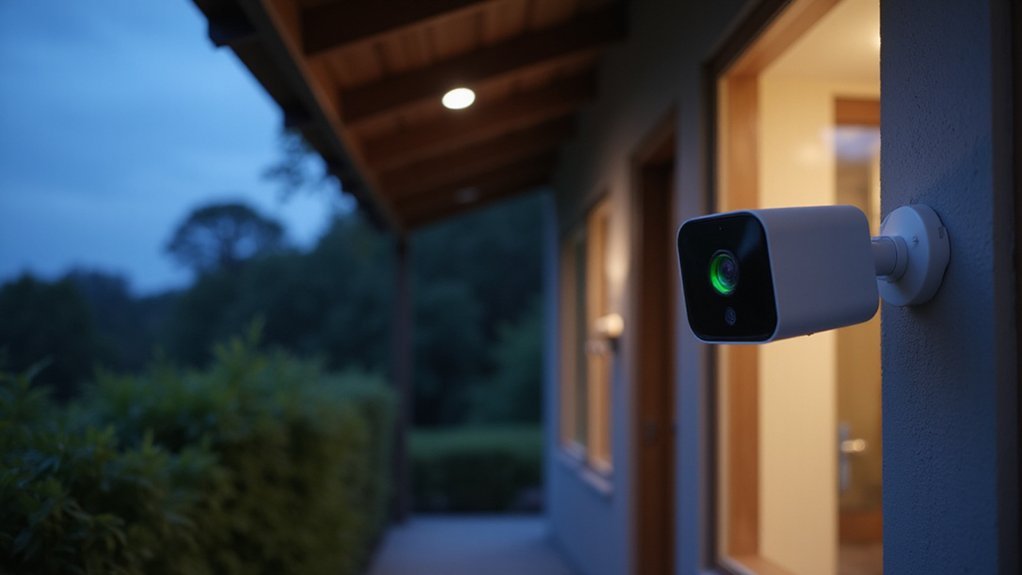
Wondering if your Blink camera can see in the dark? The good news is that all Blink cameras come equipped with infrared night vision, allowing you to monitor your home even when it’s pitch black outside.
Some newer models even offer full-color night vision with spotlights for clearer, more detailed footage. Keep reading to see how you can optimize your camera’s night vision for the best nighttime security.
Yes, All Blink Cameras See in the Dark
All Blink cameras support infrared night vision by default, ensuring they can capture video even in total darkness. When the light drops, the built-in infrared technology activates automatically, providing consistent security capabilities across models from the Mini to the Outdoor. They use 850nm IR LEDs to illuminate the scene, producing black-and-white footage up to approximately 20 feet away. A key feature of this infrared light is that human eyes do not naturally glow when it’s used for illumination. The use of infrared illumination like this is typical, as opposed to the now-restricted red night vision technology used in some older military gear. It’s a solid example of standard infrared night vision, a common technology compared to thermal imaging when choosing security gear. You can control this feature through the app by selecting Auto, On, or Off settings. This standard night vision ensures your system remains operational in low-light conditions, keeping motion detection active and preventing gaps in surveillance coverage.
How Does Blink’s Infrared Night Vision Actually Work?
Blink’s infrared night vision works by using built-in 850nm LEDs that emit infrared light you cannot see. These LEDs illuminate the scene, allowing the camera’s sensor to detect details even in complete darkness. Because this infrared emission is invisible to the human eye, it does not create any glare or visible light that could reveal the camera’s operation. The sensor inside the camera is calibrated specifically to detect this wavelength, enabling it to capture clear, detailed black-and-white images in low or no light conditions.
When ambient light drops below a certain level, the camera automatically switches to infrared mode. In this mode, the feed appears as sharp black-and-white video, providing a mental picture of your surroundings without any visible illumination. The effectiveness of this system relies heavily on proper sensor calibration, which ensures the camera compares the infrared light reflected off objects against its internal settings. This comparison allows it to produce a reliable image even in darkness. Under ideal conditions, Blink’s infrared night vision has an effective range of approximately 30 feet, giving you a good view of your property without any visible light. For extended protection in outdoor environments, you might consider building a trail camera security box. You can manage this feature directly through the Blink app’s camera settings, where night vision can be toggled on, off, or set to auto. Proper setup is crucial for any security camera, much like following the manufacturer’s recommended steps for a trail camera.
Setting Your Night Vision to Auto, On, or Off
You can control your Blink camera’s night vision mode by choosing between Auto, On, or Off in the app’s settings. To do this, go to a specific camera’s settings and locate the “IR Illuminator” option. Selecting “Auto” allows the camera to use its light sensor to activate infrared only in darkness, which helps conserve battery life and maintains color video during daytime. Choosing “On” forces the infrared light to stay on constantly, resulting in all footage being in black-and-white regardless of lighting conditions. This is a key feature shared by popular home security brands, including the fact that Ring cameras have night vision. Selecting “Off” disables night vision entirely, so the camera won’t emit infrared light at night. Within the settings, you can also adjust IR intensity to low, medium, or high levels for optimal visibility. For specialized thermal imaging in complete darkness, some advanced users integrate a thermal camera module into custom drone builds.
Your camera placement influences the best choice among these settings. “Auto” generally suits most situations because it automatically adjusts to lighting conditions, saving power while providing night visibility when needed. Keep in mind that any setting change is applied immediately to the camera, so you will see the effects right away. Most apps have a status page you can check if you suspect a feature isn’t working properly.
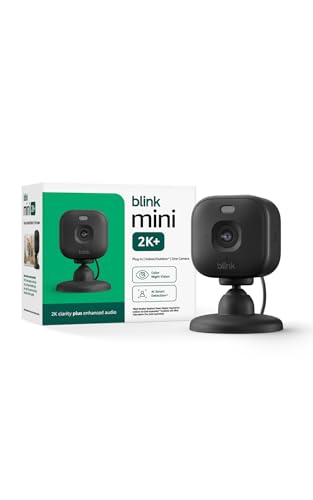
Mini camera, max performance — Mini 2K+ is our third-generation compact plug-in camera, delivering sharper 2K video resolution and improved audio clarity, so you can see and hear more of what matters.

Mini camera, max performance — Mini 2K+ is our third-generation compact plug-in camera, delivering sharper 2K video resolution and improved audio clarity, so you can see and hear more of what matters.

Mini camera, max performance — Mini 2K+ is our third-generation compact plug-in camera, delivering sharper 2K video resolution and improved audio clarity, so you can see and hear more of what matters.
Infrared vs. Color Night Vision: What’s the Difference?
Infrared night vision and color night vision serve different needs in low-light conditions. Infrared systems generate their own invisible light using built-in LEDs, allowing you to see clearly in total darkness. However, the images are only in black and white because infrared light does not produce color information. Low contrast images from IR night vision may reduce visual detail, making it harder to discern features. These cameras offer infrared stealth, as 940nm LEDs emit no visible glow, keeping the camera’s operation completely hidden from view.
Color night vision, on the other hand, relies on existing ambient light, such as streetlights or moonlight, to produce full-color images. This technology amplifies the available light, providing richer detail that helps you identify objects more easily—like the specific color of a car or clothing. While infrared night vision excels in complete darkness, color night vision offers vivid visuals when there’s some illumination, making it ideal for environments where ambient light is present.

2K HD Live Video, Picture & Color Night Vision: The security cameras wireless outdoor provide a degree wide angle, 2K quality video and image. Regarding night vision, it has two modes, full color night vision and infrared night vision with a 33ft visible range. Whether it is night or day, it will provide a clear wide video of any area you wish to monitor. With the included app, the system’s live or recorded video can be accessed anywhere at any time. (Not support 5GHz WiFi)

New version trail cam: Clear Day & Night Imaging Capture sharp 64MP photos (adjustable: 5/16/36/48/56/64MP) and smooth 4K HD videos (3840x2160P /2560x1440P). The high-quality optical lens ensures crisp daytime images and night vision performance, making it ideal for wildlife observation, deer scouting, and property surveillance.
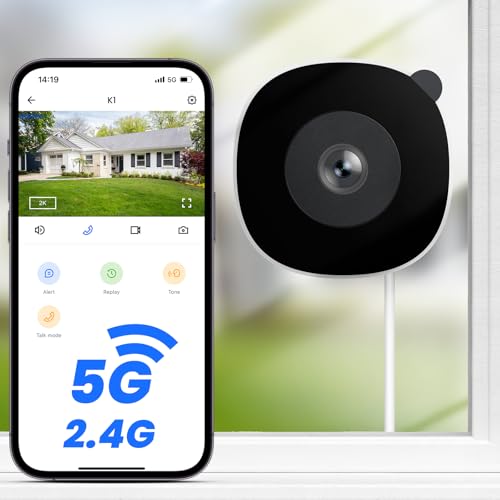
High 2K Resolution Through Glass – 105° Wide-Angle, Non-PTZ: This window camera delivers sharp 2K images through glass with no glare or reflection. Its 105° wide-angle lens captures yards, porches or streets – ideal for indoor security camera to look outside. Includes 6 flat magnetic stickers for tool-free, no-drill installation on any window. If you mount the camera high on the window, we recommend using our Inclined Mount (sold separately in our store) for a better downward angle.
Which Blink Cameras Have Full-Color Night Vision?
The Blink Mini 2 and Wired Floodlight Camera have full-color night vision. These models feature built-in LED spotlights that activate with motion, providing detailed, full-color images in low light or complete darkness. The Outdoor 2K+ can also offer full-color night vision, but only when ambient light like dusk or dawn is available; if that light fades, it switches to infrared for black-and-white images, a common technology seen in other devices like night vision goggles. Using the LED spotlights on the Mini 2 and Floodlight Camera guarantees color recording in the dark, but this can impact battery life, especially on battery-powered devices like the Outdoor 2K+. This is managed through efficient power management via Blink Sync module to help extend operation. Just as with thermal imaging, interpreting the details in these full-color night images relies on understanding thermal contrast and resolution to distinguish objects clearly. To maximize color night vision and conserve power, consider placing these cameras in areas with some existing light and ensure your camera placement and concealment avoids obstructing the LED spotlight’s field of view.

【ONLY Works with 5MP and 8MP 4K DVR】- This camera does NOT work with 4MP or lower resolution DVR, only work with 5MP or 4K 8MP DVR. This camera is 5 Megapixels high definition HD TVI/CVI/AHD/960H(1000 TVL), 65ft IR night vision range. It has a 2.8mm Fixed lens with 100 degree wide Field of View (FOV) to cover large areas

【Compatibility & U.S.-Based Technical Support】Compatible with ⲎIK, LTS, Uniview, Luminys standalone NVRs and third-party software such as iSpy, Blue Iris, and Milestone. Not compatible with Reolink, Lorex, Amcrest, Swann, Oossxx, or Viewtron NVR systems. U.S.-based technical support is available Monday–Friday, 9:00 AM–5:00 PM (CST). Please contact the seller for assistance.

📌【Why Choose Us?】 Millions of families trust realhide for hassle-free, reliable home security. From easy setup to long-lasting battery and smart alerts, we make protecting your home effortless — because your peace of mind matters most.
How Far Can Blink Cameras See in the Dark?
Blink cameras typically have a night vision range of around 20 to 30 feet, thanks to their infrared technology. Their 850nm infrared LEDs generally provide a clear view within this distance, with most models reaching about все 25 feet. The XT2, Indoor, and Outdoor units all share this 30-foot capability. For scenarios requiring surveillance over much greater distances or through challenging conditions, you might consider specialized thermal security cameras or even a quality thermal camera designed for long-range detection in complete darkness. Understanding the core technology and price drivers for night vision can help you make a more informed choice.
However, your actual detection distance can vary based on several factors. Environmental obstacles such as fog, rain, or thick materials can reduce the effective range. A direct line of sight is essential to maximize performance, as obstructions can block infrared signals and limit visibility. Visual clarity is usually best within the first 20 feet, but enabling higher sensitivity settings can allow motion detection slightly beyond the typical infrared reach.
Keep in mind that image quality and detection accuracy tend to degrade past 25 feet. Conditions like dense fog or heavy rain can further impair detection, so maintaining a clear, unobstructed view will improve your camera’s dark-night performance.
Does Blink’s Person Detection Work at Night?
Yes, Blink’s Person Detection works effectively in darkness. The feature relies on on-device computer vision that operates independently of lighting conditions. It processes video frames to recognize human shapes whether it’s day or night. Infrared technology in your camera, using 850nm LEDs, creates clear black-and-white imagery necessary for shape detection. This contrast allows the algorithms to identify people even in complete darkness. The system’s operation is underpinned by specific optical and sensor engineering typical of game cameras. The infrared LEDs act as the night vision illuminators essential for capturing images without visible light, a core function of night vision cameras. To enable Person Detection at night, an active Blink Subscription Plan is required. Within its effective range of 7 to 19 feet, the system can distinguish humans from other motion sources by analyzing the illuminated scene, ensuring reliable detection regardless of lighting.
Enable Color Night Vision With Floodlights and Spotlights
Enabling color night vision with floodlights and spotlights requires an external light source because your camera’s built-in sensor needs illumination to capture full-color footage in darkness. The Wired Floodlight Camera provides 2600 lumens, enough to brightly light up a scene, and features a wide 143° field of view. Its motion-triggered lights turn on automatically, allowing the camera to switch from infrared black-and-white to full color. Hunters often consider infrared vs. visible light when choosing between red or green for different scenarios, similar to how hunters evaluate trail camera performance.
For spotlight compatibility, you need a Blink Outdoor 4 model or newer. The accessory’s 700-lumen light concentrates brightness for detailed, colorful nighttime footage. To activate color night vision, set the Night Vision option to “Auto” in your app. The system then detects ambient light levels and switches between color and black-and-white modes dynamically. This consistent power delivery is crucial for security cameras, just as selecting long-lasting batteries is critical for maintaining a trail camera in the field. Without external illumination, your footage stays in infrared monochrome, limiting detail and color information in low light conditions.

Help protect your home day or night with Blink Wired Floodlight Camera — a smart security camera with 2600 lumens of LED lighting, enhanced motion detection, and a built-in security siren.

Crystal Clear 2K HD + Color Night Vision: Capture and stream video in vivid 2K HD clarity, even in vibrant color at night

Capture it all with Retinal 4K video — See every detail of your home or business in full view — powered by Retinal 4K. (Video quality may vary based on internet bandwidth and device temperature.)
Is Blink’s Night Vision as Good as Ring or Arlo’s?
Blink’s night vision generally doesn’t match the quality of Ring or Arlo’s systems. Most Blink models rely on standard infrared, which produces grainy monochrome footage beyond about 12 feet. This limits nighttime identification as it lacks color data, making it harder to recognize people or objects clearly in low light. In contrast, Ring and Arlo use advanced sensors that deliver true color night vision, capturing sharper, more detailed footage at higher frame rates.
Blink’s conservative motion detection can also miss subtle events, especially in poor lighting conditions, leading to false negatives. Additionally, your network connection plays a significant role in alert reliability. While Blink’s infrared helps conserve battery life and keeps costs down, it sacrifices visual clarity in darkness. Ring and Arlo’s richer night vision offers better detail and easier identification, making them preferable for more serious nighttime security needs.

【 4MP Full-HD & Full-Color Night Vision】This 2-pack cameras for home security outdoor system upgrades your home security with 4MP Full-HD definition (2560x1440), clearly presenting every detail. Even when zoomed in, experience crystal-clear resolution and enhanced image quality. Equipped with advanced full-color night vision and infrared modes, technology and built-in LED lights, this security cameras wireless outdoor delivers vivid full-color images even in complete darkness, ensuring 24/7 protection for your home. (*Supports 2.4GHz WiFi only)
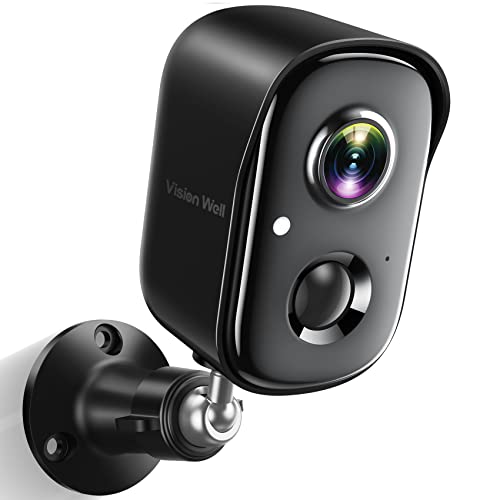
Rechargeable & Waterproof & Wire-Free: This wireless rechargeable outdoor/indoor camera can provide 1 to 5 months of worry free use for once charge. The security cameras wireless outdoor with IP65 waterproof can work in any weather. Since the WIFI cam is completely wireless, no power cords or network cable is needed, allowing install virtually anywhere with the provided, bracket and screw.

【2K Ultra HD & Full Color Night Vision - 4 Cam Kit】Upgrade your home security with this 4 pack security cameras wireless outdoor system. Delivering 2K 3MP ultra-clear live video, these cameras for home security feature advanced color night vision and infrared modes, ensuring vivid details even in pitch black. Equipped with a 3.3mm focal length lens, this porch camera set provides a wide-angle view for your front door, backyard, garage, or driveway. See every detail in full color and protect your property with the ultimate outdoor camera wireless solution. (*Not support 5GHz WiFi)
7 Settings to Improve Your Blink Night Vision Clarity
To optimize Blink’s night vision, start by navigating to the app’s Night Vision menu. Set the mode to “Auto” to allow hands-free activation. Adjust the IR Intensity to Low, Medium, or High based on your environment; this critical infrared calibration balances brightness and detail. Regularly clean the camera lens with a microfiber cloth to prevent dust buildup that can cause blurriness. Reposition the camera strategically to avoid IR glare from nearby surfaces, which can obscure clear viewing. Using external lighting sources can also help supplement the night vision view. Finally, ensure your battery models are powered with proper lithium batteries, as weak cells can significantly dim the infrared illuminators and reduce image clarity. These steps collectively help enhance your night vision clarity.