Does Ring Camera Night Vision Work in Complete Darkness?
Wondering if your Ring camera can see in complete darkness? The good news is, yes, it can.
Night vision uses infrared light, allowing your camera to capture clear black-and-white footage even when it’s pitch black outside.
Read on to learn how this technology works and how to make sure it performs at its best.
How Ring Cameras Use Infrared to See in the Dark
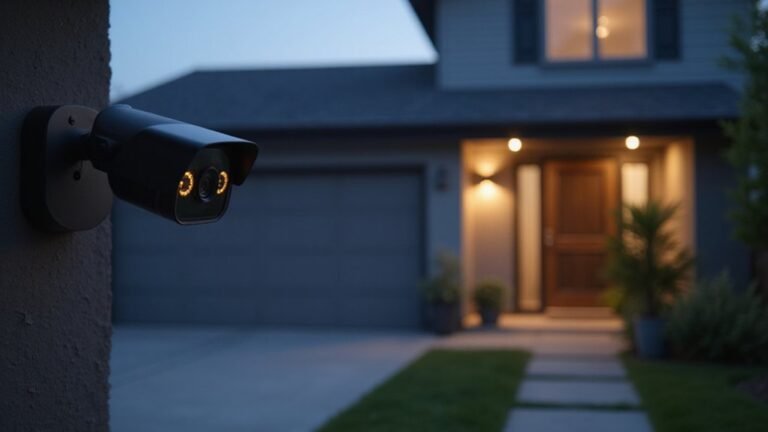
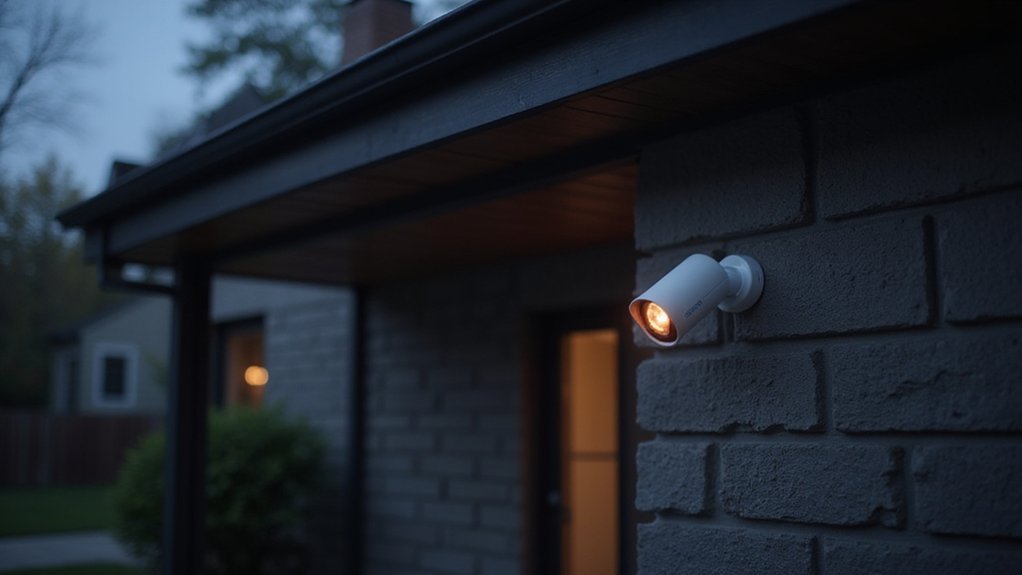
Ring cameras utilize infrared (IR) technology to see in the dark because IR light is invisible to the human eye but can be reflected off objects just like visible light. Understanding infrared radiation can help you grasp how this and other night vision devices work. When ambient light drops below a certain level, the camera automatically switches to night vision mode. It does this by removing an infrared-cut filter from the sensor, allowing only IR light to reach it. This filter movement can sometimes cause a brief purple hue during the switching process. The camera then emits its own IR floodlight, illuminating the scene without any visible glow, so it remains discreet. This makes it fundamentally different from thermal imaging, which detects heat signatures rather than reflected light. Proper protective housing can shield the camera’s sensitive components and ensure reliable operation in harsh outdoor conditions. This process happens instantly, enabling the camera to provide a clear view in total darkness, effectively seeing where you see nothing.

*Powerful protection for any property* — 1080p HD security camera for your home or business with motion-activated LED floodlights, 105dB security siren.

Capture it all with Retinal 4K video — See every detail of your home or business in full view — powered by Retinal 4K. (Video quality may vary based on internet bandwidth and device temperature.)

Capture it all with Retinal 4K video — See every detail of your home or business in full view — powered by Retinal 4K. (Video quality may vary based on internet bandwidth and device temperature.)
What to Expect From Night Vision Quality in Complete Darkness
In complete darkness, your Ring camera can capture clear black-and-white video using its infrared light, which has an effective range of up to 30 feet. The infrared illumination allows the camera to see in total darkness without visible light, but the footage will be monochrome because the sensor relies on infrared light, not visible light, to create images. The resolution remains sharp at 1080p, ensuring clarity, but you may notice some graininess or motion blur during movement, as the infrared illumination system operates on a different wavelength than visible light. Reflective surfaces like windows can cause infrared glare, washing out parts of the image, so be aware of such reflections when reviewing footage. While ambient light isn’t necessary for basic operation, any available light, such as from a distant streetlamp, can slightly improve contrast and detail in the video, making it easier to distinguish objects. For specialized applications requiring heat detection, you would need to incorporate a thermal imaging sensor. Connecting your camera to your phone for setup and live viewing requires following a step-by-step guide and using the manufacturer’s app.
Why Your Ring Camera’s Night Vision Might Not Turn On
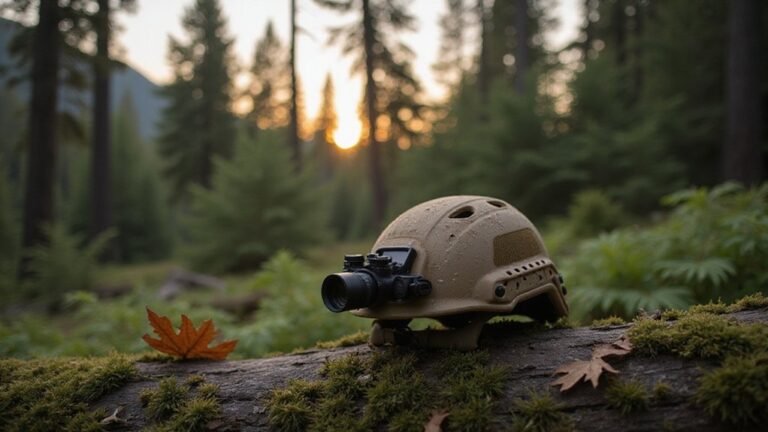
Your Ring camera’s night vision might not turn on due to several common issues. First, check your camera placement because installing it behind glass or in front of a window can block infrared (IR) light, preventing night vision from functioning properly. Nearby shiny surfaces can also cause IR reflection, confusing the sensor into thinking it’s bright outside and preventing the IR lights from activating. The choice between different night vision systems, such as those using intensifier tubes, can depend on whether you need stereo or monocular vision.
Next, verify your video settings in the Ring app to ensure that night vision isn’t manually set to “Off.” A very low battery level can also disable this feature since IR lights consume a good amount of power. Additionally, dirt, spiderwebs, or other obstructions on the lens can interfere with IR illumination. A weak Wi-Fi signal might inhibit the camera’s ability to send night vision footage clearly, and environmental factors like deep shadows or inconsistent lighting conditions can trick the sensor into thinking it’s already bright enough, suppressing IR activation. Regular lens maintenance ensures optimal infrared light transmission for clear night vision.

Package Included: 1PCS 10mm Optical UV AR-IR CUT filter.
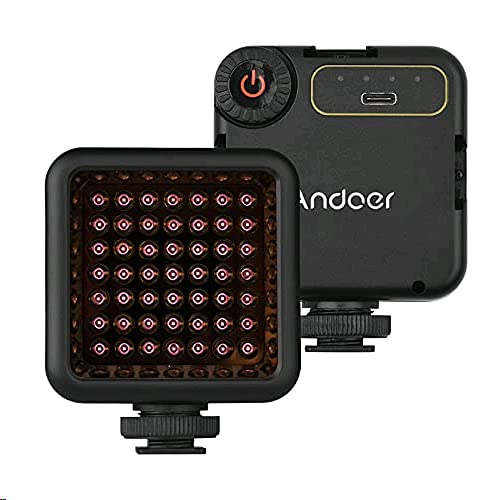
Versatile Lighting: Ideal for vlogging, video recording, and photography, this compact IR light ensures you're always ready to capture stunning footage in low-light conditions

Reduce signal interference from local IR remote controls
How to Fix Common Night Vision Problems in Minutes
To fix common night vision problems in your Ring camera, start by cleaning the lens to remove dirt or smudges that can block infrared light. Ensure the camera’s view isn’t obstructed by objects, bushes, or reflective surfaces that can cause glare or fogging. Adjust the camera’s placement if necessary, moving it away from windows, mirrors, or shiny surfaces. For challenging environments, consider using a thermal clip-on to detect heat signatures invisible to standard night vision, though dedicated thermal camera apps can also analyze these signals for clearer detection. Unlike traditional night vision that amplifies available light, these tools rely on thermal imaging technology.
Next, open the Ring app and access your camera’s Video Settings. Make sure both Night Vision and Infrared Lights are toggled on. Check the device’s battery health in the Device Health section—low battery levels can diminish night vision performance. Also, look for firmware updates within the app, as these often contain fixes for software bugs affecting night vision. Finally, perform a quick reboot of your camera from the Device Health menu; this refreshes the system and often resolves temporary glitches.

Introducing our new simple lens-cleaning system effective, durable and long lasting

Camera Lens Cleaning Kit (14 pieces), including, air blower, lens pen, cleaning brush, lint-free cloth, lens pen, storage bag, etc.
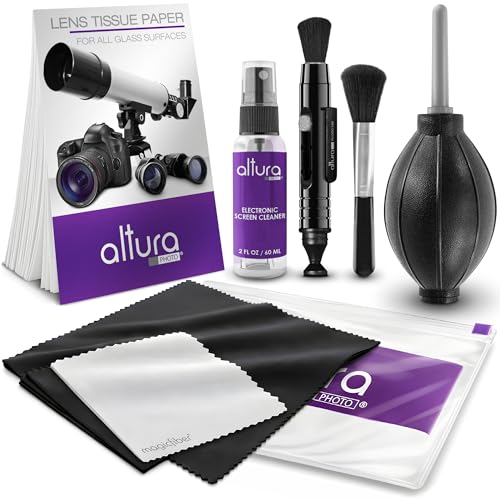
COMPLETE CAMERA CLEANING KIT: Our camera lens cleaning kit includes an alcohol & ammonia-free lens cleaner spray, cleaning brush, lens pen, air blower, MagicFiber microfiber cloths (3), and lens tissue paper wipes (50). Most competing lens cleaning kits cost more and still make you buy the spray and brush separately. Ours doesn't.
When a Simple Reset Can Restore Your Night Vision
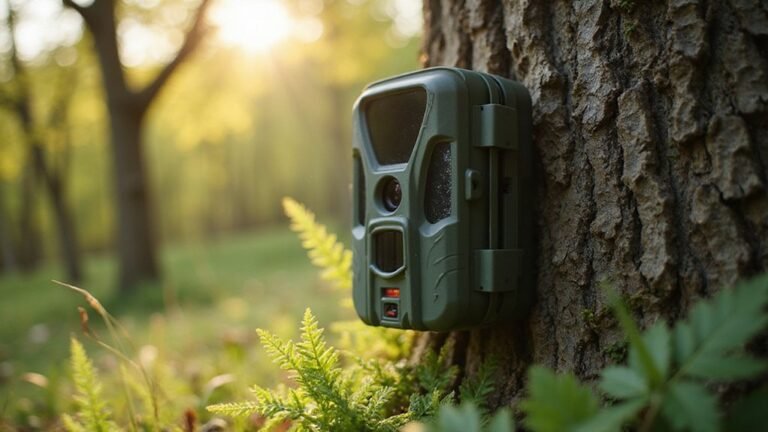
A full reset often restores your Ring camera’s night vision. It clears corrupted firmware that can block the low-light trigger and reinitializes the IR sensor calibration, allowing it to detect true darkness again. Understanding the infrared illuminators inside your camera explains why this recalibration is necessary. The process also flushes static memory errors from the IR driver module, which may prevent the camera from recognizing dark conditions. Rebooting the power management unit ensures stable voltage reaches the IR LEDs, preventing flickering or weak illumination. Additionally, it clears cached ambient light thresholds and resets the default darkness trigger, enabling the IR lights to activate properly in pitch-black environments. This process is similar to the initial power-up and firmware activation required when setting up other outdoor cameras, just like a factory reset on a trail camera can resolve many similar sensor issues.

Spare parts to help setup your Ring Spotlight Cam Pro Battery or Spotlight Cam Plus Battery in just a few minutes

Tilt your Ring Video Doorbell towards a staircase or mount it flat against an angled siding for improved motion detection and a better view of visitors.
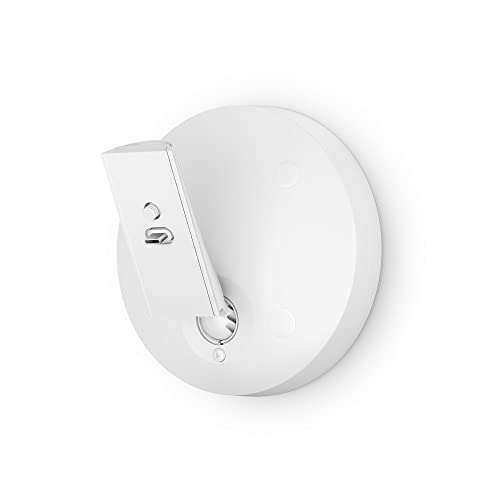
Convenient, weather-resistant kit converts your Ring USB-C Security Camera to hardwired
How to Contact Support for Persistent Technical Issues
If your Ring camera’s night vision still won’t work after a reset, contacting Ring support is your best next step. Start by verifying your account through the “Contact Us” section in the Ring app, which will initiate the troubleshooting process. Support agents can diagnose common issues such as weak signal strength or rapid battery drain, both of which can interfere with night vision functionality. For more complex problems, your case may be escalated to senior technicians who will perform remote diagnostics to identify the underlying cause. You will receive a case number and an email summary of the findings and recommended solutions. Keep in mind that server connectivity issues on the service provider’s end can also disrupt app and camera functionality, similar to problems reported with other mobile apps. For instance, some camera issues can be resolved by a soft reset procedure that maintains your settings. Additionally, consult the online knowledge base for step-by-step guides on common problems like connection blockers, which might be preventing night vision from functioning properly without needing to reposition the camera.
Will Moving Your Camera Improve Night Vision Performance?
Moving your Ring camera can significantly improve its night vision performance. Placement directly impacts the infrared sensor’s ability to detect in darkness. Avoid positioning the camera in front of glass surfaces, as they reflect infrared light back into the lens and blind the camera. Adjust the angle to steer clear of shiny objects or white walls, which cause reflections that wash out the image. Ensuring the lens is free from obstructions like webs or dirt, as these block infrared light and diminish visibility, is similar to maintaining the clarity of a thermal imaging lens. Repositioning your camera away from direct ambient light sources helps it rely more effectively on its infrared capabilities. For this reason, comparing the night vision capabilities of different camera models can help you make an informed choice. Properly optimizing your camera’s angle for a dark, unobstructed view will maximize night vision effectiveness. For extended deployments away from a power source, ensuring your camera has a reliable power supply like a long-lasting 12-volt battery is crucial for maintaining consistent night vision operation.

【Versatile & Universal Fit】 Transform any standard rifle scope with an eyepiece diameter of 38-44mm into a powerful night vision system. This DIY kit comes with everything you need to get started.

This infrared night vision light is specially designed for taking photos or recording videos in dark environments with insufficient light, for outdoor observation at night, farm animal observation, etc.

ENHANCED SAFETY WITH DUAL CAMERAS - MONITOR BOTH KIDS SIMULTANEOUSLY Say goodbye to distractions while driving! Rohent N20 Dual Baby Car Camera lets parents safely monitor 2 kids at once, ensuring peace of mind without turning around. The 6.9-inch HD split-screen display provides crystal-clear images, ideal for families with two rear-facing children.Perfect for busy parents who need to focus on the road while keeping their little ones safe