PVS-14 vs. PVS-7: Which Night Vision Monocular Is Better?
Choosing the right night vision monocular depends on your needs, whether it’s basic use or serious tactical work.
The PVS-14 offers a clearer, more natural view with better brightness and detail.
On the other hand, the PVS-7 is generally more affordable.
Knowing the differences can help you pick the best gear for your mission or outdoor adventure.
The details below will guide you through what sets each apart.
How Do the PVS-14 and PVS-7 Designs Affect Your Vision?
The PVS-14’s monocular design offers a more natural viewing experience and better situational awareness compared to the PVS-7. With the PVS-14, your viewing eye sees a clear, detailed image while the other eye remains open, allowing you to stay aware of your peripheral surroundings. This setup minimizes eye strain and makes it easier to shift focus rapidly. The wider field of view of the PVS-14 also contributes to easier navigation and target acquisition, especially in dynamic situations.
In contrast, the PVS-7’s bi-ocular design splits a single image between two eyepieces, which can distort depth perception and reduce the accuracy of color rendition because your brain receives identical feeds to both eyes. Its full-face seal can also block your peripheral vision, limiting awareness of your environment. For extended low-light observation, understanding the core differences between night vision and thermal imaging can further inform your gear selection. Additionally, the PVS-7 tends to be bulkier and heavier, which may cause fatigue and discomfort during extended use, whereas the sleeker PVS-14 reduces physical strain, helping you maintain focus and stamina over longer periods. When evaluating gear, weighing performance and cost is a crucial step in the selection process. For specialized applications like surveillance or search and rescue, some operators combine night vision with a thermal drone to enhance their operational capabilities.
PVS-14 vs. PVS-7: Which Has Better Image Brightness and Clarity?
PVS-14 vs. PVS-7: Which Has Better Image Brightness and Clarity?
The PVS-14 offers better image brightness and clarity than the PVS-7. This is due to its more advanced intensifier tube and direct optical path, which result in a brighter, cleaner image. The higher signal-to-noise ratio in the PVS-14 enhances light amplification, reducing static and noise artifacts. Its superior resolution and lower halo effect deliver sharper edge definition and minimize bloom from artificial lights, making the image clearer overall. Better contrast helps you distinguish details in various lighting conditions and environments. Additionally, the PVS-14’s technological advancements improve color reproduction, revealing more detail in dark scenes. Its single-tube design also contributes to ergonomic comfort, reducing eye strain caused by the PVS-7’s split-image system and allowing for longer, more effective observation sessions. The PVS-14’s performance underscores the importance of understanding image intensifier technology when evaluating night vision capabilities. The clarity advantage is critical for rapid target identification, similar to how thermal drone imaging helps locate subjects in search and rescue operations. This ease of use extends to its mounting system, which often features a quick connect mechanism for rapid attachment and detachment from helmets or head mounts.
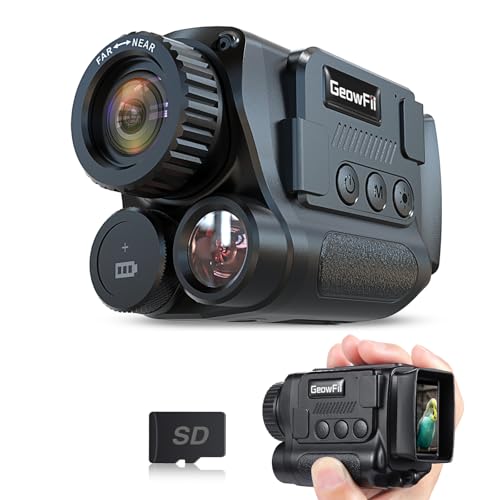
4K Upgraded & Practical—— GeowFiiTech Night Vision Monocular features a 4K version with a 25mm multi-coated lens, enhancing imaging for day and night use. With 4K video, 40MP photos, and essential functions, this monocular night vision meets outdoor needs effectively
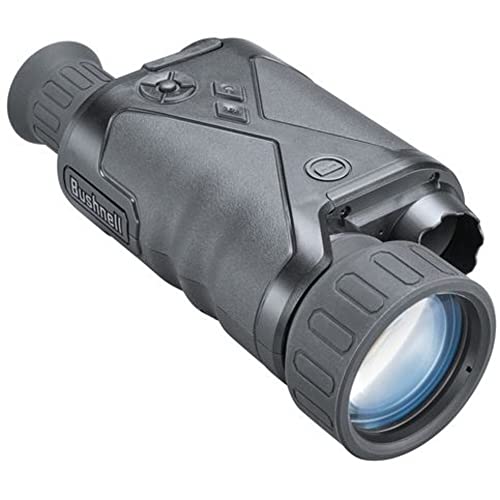
6x magnification and 50 millimeter objective lens

【Dual IR System for All Day& Night Vision】 Equipped with high-performance 850nm dual IR illuminators , this upgraded night vision monocular delivers immersive full-color viewing in bright daylight and ultra-clear imaging in complete darkness. 9 levels IR adjustments ensure all-scene outdoor exploration, night monitoring and field observation regardless of light conditions.
Comparing Battery Life: PVS-14 Single AA vs. PVS-7 Dual AA
The PVS-14’s single AA battery provides significantly longer operational time than the PVS-7’s dual AA setup. On average, the PVS-14 runs for about 50 hours, while the PVS-7 offers approximately 30 hours of use. This difference arises from the PVS-14’s lower power consumption, which averages around 0.05 amps, compared to the PVS-7’s 0.08 amps. Because the PVS-14 uses only one battery, it draws less current overall, extending its runtime. Using lithium AAs or a CR123A adapter can push the PVS-14’s battery life even further to 55 or 75 hours. The PVS-7’s dual batteries cap its maximum runtime at around 35 hours, limiting its operational duration. When choosing any optic, whether night vision or a thermal scope, checking specifications like battery runtime is crucial for planning extended operations. Overall, the single-cell design of the PVS-14 means fewer batteries are needed and longer use between replacements. This efficiency is a key consideration for extended field use, much like prioritizing long battery life when selecting gear such as a trail camera with wifi. Users should always be aware of the legal restrictions on night vision in their jurisdiction before purchasing or using these devices.

36 PACKS; EACH PACK HAS 4 AA BATTERIES
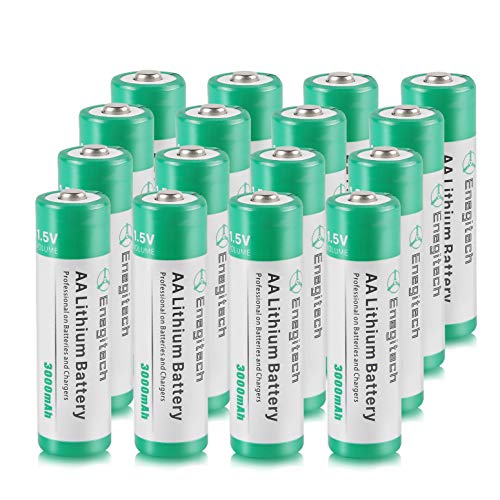
Battery Type: Lithium AA Batteries, Voltage: 1.5V, Capacity: 3000mAh, Non-Rechargeable: Please do NOT charge the batteries.

Supports power supply for multiple NVG models
PVS-14 vs. PVS-7 Cost: Initial Price and Long-Term Value
The PVS-14 generally has a higher initial cost than the PVS-7, but it offers significant long-term advantages. While the PVS-7, especially in Gen 2+ and basic Gen 3 tiers, tends to be more affordable upfront, the PVS-14 justifies its higher price through enhanced durability and operational efficiency. It uses a single AA battery, reducing logistical weight and ongoing expenses compared to the PVS-7’s more frequent or specialized power sources. For situations requiring heat detection beyond standard night vision, users often look to dedicated thermal camera apps. Its construction incorporates robust materials designed for critical mission use, which can extend its lifespan and reliability. For users who need to detect heat signatures in complete darkness, adding a thermal clip-on can be a powerful upgrade to either device. Additionally, the PVS-14 delivers superior optics and image clarity, improving safety and mission success over time. To maximize its versatility, pairing a PVS-14 with a night vision adapter allows it to be mounted effectively to various rifle scopes. Ultimately, choosing the PVS-14 might require a higher initial investment, but its durability and performance features can lead to cost savings and better operational value in the long run.

AGM PVS-14 is a rugged, multi-purpose night vision monocular used globally in challenging environments.

CLEARLY IN 100% DARKNESS WITH 7 INFRARED ILLUMINATION LEVELS: Upgraded YUANZIMOO night vision monocular features 850nm IR illuminator, 1.3MP FHD CMOS sensor and 7 gears IR levels adjustment. Brings you a wonderful experience both daytime and 100% darkness in your wild explorations

✅Compatible with the J-arm night vision device interface with a single screw fixation. The chic, mini, and lightweight device features an ergonomic human body engineering design, which is easy to operate.
Can You Mount Them on a Helmet or Weapon? Versatility Compared
The PVS-14 monocular is much more versatile for mounting on helmets and weapons compared to the PVS-7. It uses standard shrouds and a J-arm, which provide secure attachment points on most helmets, offering a balanced weight distribution and stability during movement. For weapon mounting, the PVS-14’s compatibility with picatinny rails allows you to attach it passively to firearms, enabling aim without blocking your view or requiring manual focusing. This mounting system is designed for quick attachment and detachment, allowing for rapid transitions between handheld, helmet, and weapon use. Understanding the thermal imaging principles behind such devices can further enhance your situational awareness.
In contrast, the PVS-7’s binocular design and larger size make helmet mounting more cumbersome. It requires a wider shroud to accommodate its bulk, which adds extra weight to your helmet, potentially impacting ergonomic comfort. Weapon mounting with the PVS-7 is impractical because of its dual-eyepiece configuration, which limits compatibility with standard rails and makes aiming awkward, especially in scenarios that require clear night vision in low-light conditions. Overall, the single-tube PVS-14 offers superior flexibility and stability for both helmet and weapon mountings, making it the preferred choice for tactical versatility. Considering the night vision goggle prices can help you budget for the appropriate mounting accessories.


PVS 14 J Arm Vertical, Tilt, and Fore/Aft Adjustment Levers allow for a custom fit user experience. Reduced weight and an enhanced NVG center of gravity in stow position.Auto shut-off integral with each adapter

Universal Compatibility: Designed specifically for PVS-14 night vision, this Rhino Mount provides a secure and stable mounting solution for helmets, ensuring your night vision goggles stay firmly in place during critical operations and training exercises
Which Is Better for Military and Critical Operations?
The PVS-14 is clearly the superior choice for military and critical operations. It is the modern tactical standard and preferred for high-risk scenarios due to its advanced features. The PVS-14 offers superior depth perception and target clarity, essential for fast-paced maneuvers in complex environments. Its adjustable gain control allows you to fine-tune visibility under various lighting conditions, enhancing situational awareness, while some operators also consider their choice of red or green hunting lights for additional versatility. When paired with a ballistic helmet, it provides a comprehensive protective and sensory advantage in hostile environments.
Compared to the PVS-7, which features a split-tube design that compromises image quality, the PVS-14 provides a more integrated and cohesive visual experience. Its technology is more advanced, supporting a broader ecosystem of accessories for weapon and helmet mounting. This versatility directly contributes to operational readiness and adaptability. This is achieved by amplifying ambient infrared light to create a visible image. In terms of durability, the PVS-14 has proven to withstand demanding conditions, making it reliable in the field. While the PVS-7 remains a solid option for basic observation, the PVS-14’s advanced performance and customization capabilities make it the strategic choice for optimal effectiveness and safety in critical operations.
How to Choose Between PVS-14 and PVS-7 for Your Needs
The PVS-14 generally provides better performance and long-term durability compared to the PVS-7. If you prioritize advanced features, easier navigation with one eye, and less fatigue during extended use, the PVS-14 is the superior choice. Its lighter weight enhances ergonomic comfort and reduces strain over long periods, and its mounting system can benefit from the stability of a cantilever scope mount. Additionally, the PVS-14’s rugged construction tends to withstand tough conditions better, promising greater hardware durability.
On the other hand, the PVS-7 may suit those on a tighter budget or with less frequent needs, as it is typically less expensive. While it offers adequate bi-ocular viewing and decent performance for occasional tasks, its bulk can cause discomfort to your eyes and neck during longer use. Overall, the PVS-7 sacrifices some ergonomic and durability benefits for cost savings, but for infrequent or less demanding applications, it can still be a viable option.

Day or Night Viewing - Capture video in both daytime and nighttime modes. Store files directly to a microSD card for easy viewing and sharing.
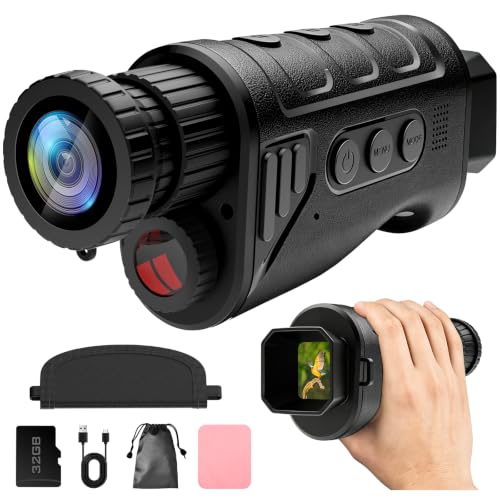
Upgraded 7 Levels IR Provides 12MP In The Dark: Night vision monocular for adults features the latest 12W 850nm infrared technology and 7 levels of adjustable infrared brightness, designed for low-light environments. Whether you're hiking at night, camping in a dark forest, or patrolling your yard at night, it provides clear and bright images, and the higher the IR level, the clearer the target in the dark

CLEARLY IN 100% DARKNESS WITH 7 INFRARED ILLUMINATION LEVELS: Upgraded YUANZIMOO night vision monocular features 850nm IR illuminator, 1.3MP FHD CMOS sensor and 7 gears IR levels adjustment. Brings you a wonderful experience both daytime and 100% darkness in your wild explorations