RVM 14 vs. PVS 14: Night Vision Monocular Comparison
Deciding between a tough aluminum RVM-14 and a dependable polymer PVS-14 can be tricky, especially if you’re focused on durability and support options.
Both share the same core tube standard and performance heritage, so image quality hinges mainly on the tube you choose.
Your decision also impacts your setup—whether you prefer a cheaper dovetail mount or broader compatibility with mil-spec accessories.
Keep reading to explore the key trade-offs so you can pick what fits best.
Why the PVS-14 and RVM-14 Are the Night Vision Gold Standard
Because both the PVS-14 and RVM-14 share a proven combat heritage, they have earned the “gold standard” title in night vision monoculars. Each unit offers decades of battlefield refinement, ensuring clear night vision through standard MX-11769 intensifier tubes. They accept the same legendary lenses and mounting hardware, making transitions between them seamless. Your helmet, accessories, and optics remain fully compatible, which simplifies training and reduces downtime. Since image intensifier tubes are the most expensive component, you can save significantly by purchasing used units or upgrading your existing tube rather than buying a complete new system. For extended field operations, you might even consider building your own thermal drone to complement your night vision gear. Unlike thermal devices that detect heat signatures, the RVM-14 uses amplified ambient light for clear night vision in total darkness. The RVM-14 enhances this proven design with ruggedization using 7075 aluminum—known for its strength and lightweight properties—and a CR123A battery, offering a 75-hour runtime. You get increased durability and endurance without sacrificing battlefield performance. This shared ecosystem of features and compatibility makes both models the benchmark for serious night vision users, balancing proven effectiveness with modern enhancements.

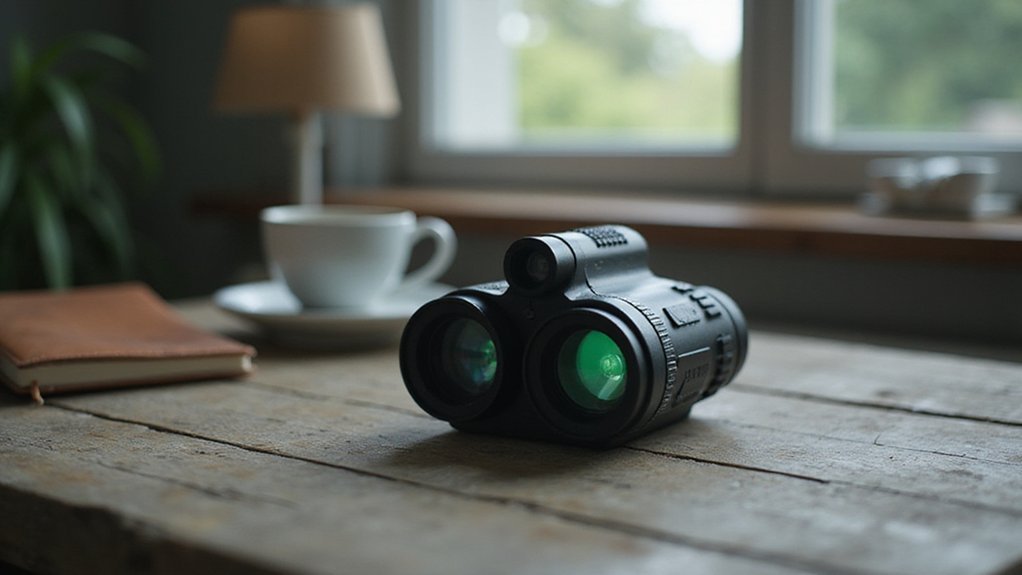
AGM PVS-14 is a rugged, multi-purpose night vision monocular used globally in challenging environments.

Gen 3 Auto-Gated P45-White IIT for Premium Clarity Equipped with a Gen 3 Auto-Gated “Level 3” P45-White Image Intensifier Tube, this PVS-14 night vision monocular offers bright, high-contrast images in low-light and no-light environments. Ideal for tactical operations and outdoor enthusiasts who demand the best.

Enhanced Night Vision Performance Equipped with a high-performance Gen 2+ image intensifier tube, the AGM PVS-14E delivers clear, detailed images in complete darkness—perfect for tactical, hunting, and surveillance applications.
Polymer vs. Aluminum: Which Housing Survives More Abuse?
The aluminum housing is more durable and resistant to abuse than the polymer body. The RVM-14’s billet-machined 7075 aluminum withstands harsher impacts without cracking, meeting or exceeding MIL-STD-810H standards for durability. It remains intact after significant abuse, making it ideal for extreme conditions. On the other hand, the PVS-14’s polymer housing, while durable enough for rough handling and challenging environments, is more prone to cracking under extreme impact or prolonged heavy use. If maximum toughness and resistance to damage are your priorities, aluminum wins decisively. The main tradeoff is weight: polymer keeps the PVS-14 lighter, reducing neck fatigue during extended wear. But for outright durability and impact resistance, the aluminum housing is the superior choice. The aluminum construction also facilitates easier threading of rings and reduces the risk of cross-threading, further reinforcing its practical toughness. A key cost consideration is that the aluminum housing’s superior durability often justifies a higher price point, similar to how the Tactacam Reveal 3.0 Pro’s higher cost is offset by its enhanced performance in rugged conditions. Unlike thermal imaging, night vision relies on amplifying ambient light, which is a key difference in performance. Additionally, users should note that lens flare artifacts may appear as bright spots in low-light footage, a common optical effect that does not indicate device malfunction.
PVS-14 vs. RVM-14 Battery Life: Does CR123A Beat AA?
CR123A batteries generally provide longer runtime than AA batteries in compatible RVM-14 and PVS-14 units. Specifically, CR123A packs can deliver about 72 to 75 hours of continuous use, compared to approximately 50 hours with AA batteries. This 20 to 50 percent increase in battery life results from the higher energy density and more efficient power management circuits built into CR123A packs. The advantage is most noticeable in high-draw, filmless tubes that consume more power. However, this benefit depends on your particular housing and tube type, as not all setups support CR123A batteries. For maximum runtime, CR123A is preferable, but if you prioritize simplicity and universal device compatibility, AA batteries remain a solid choice. Always verify your device’s specifications to ensure compatibility before switching battery types. For comparison, the TU651 LRF thermal scope uses a different power approach optimized for its integrated laser rangefinder and thermal imaging sensor.

EXTENDED DEVICE RUNTIME: Remote power solution designed to provide longer operating times for compatible night vision systems while reducing the need for battery changes in the field

One 12-pack of CR123A Lithium 3-volt batteries with 1,550mAh capacity NOT RECHARGEABLE
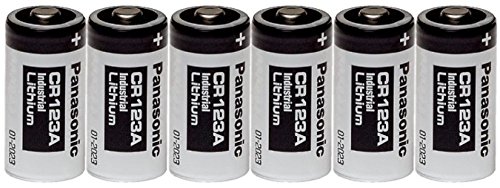
Nominal Voltage: 3.0V
What Does the RVM-14’s Dovetail Mounting Mean for Your Kit?
The RVM-14’s dovetail mounting means you can attach it securely to compatible gear while understanding its limitations. The housing accepts standard 1/4-20 threaded mounts, which are common across many accessories. However, since the RVM-14 uses a proprietary interface, it doesn’t match the geometry of the standard PVS-14 directly. This means you might need an adapter if you want to use existing mounts or accessories designed for the PVS-14. Unlike a cantilever scope mount, which offsets a scope forward for proper eye relief, the RVM-14’s dovetail system focuses on rigid attachment rather than optical positioning. The housing is made entirely of durable aluminum, ensuring high strength and ruggedness for secure attachment. Deciding whether to integrate the RVM-14 into your kit depends on your preference for a dedicated ecosystem or flexibility with your current gear. If you prefer a seamless fit, sticking to the RVM-14’s proprietary mounts simplifies setup. But if you value cross-compatibility, investing in adapters will be necessary to bridge the gap between the RVM-14 and other standard mounts. Unlike the Stealth Cam vs. Muddy comparison of trail cameras that prioritizes performance and cost, the RVM-14’s mounting focus is on structural rigidity over price or imaging features. For hunters, choosing between red or green lights for coyote hunting involves similar trade-offs in compatibility and performance.

Single Picatinny rail section compatible with 11mm or 3/8 inch dovetail standard platforms. Dovetail bases are typically found on airguns or certain model .22 rimfire rifles.

【Dovetail Adapter】 Allows you to attach finder scope, guide scope and other accessories with Synta dovetail bar to Vixen V Series dovetail bar.

Dovetail to Picatinny Conversion: This adapter fits onto 11mm dovetail mount and converts to a 7/8" Picatinny rail for enhanced mounting versatility
PVS-14 vs. RVM-14: Price, Value, and the Right Choice for You
The decision between a PVS-14 and RVM-14 primarily depends on your priorities for price, value, and future flexibility. Both units fall within the $2,200 to $4,500 price range, meaning you can find options at various points in that spectrum. The PVS-14 offers exceptional accessory compatibility and a well-established ecosystem, allowing you to swap parts and mounting options for decades without compatibility issues. This makes it ideal if you value long-term support and the ability to upgrade or customize your device. Understanding key price drivers like tube quality and housing materials can help you identify the best value within this range.
The RVM-14 typically comes with a lower entry price, especially if you opt to build it yourself, and features a modern housing design. However, warranty coverage can vary significantly; PVS-14 support usually comes through mil-spec channels known for reliability, while RVM-14 warranties depend on the individual builder’s policies. When it comes to performance, the tube choice plays a more crucial role than the housing itself, just as the sensor in a trail camera often matters more than the body for image clarity. If reliable support and proven durability are your priorities, the PVS-14 is the better choice. Conversely, if you prefer a newer design with potential cost savings and are comfortable with variable warranty terms, the RVM-14 can be an appealing option. For those seeking additional surveillance capabilities beyond night vision, reviewing thermal camera apps can highlight how digital sensors complement analog tubes in low-light environments.