Tactacam Defend vs. Reveal: Which One Is Best?
Ever wondered which outdoor camera is best for your needs—whether for home security or wildlife watching?
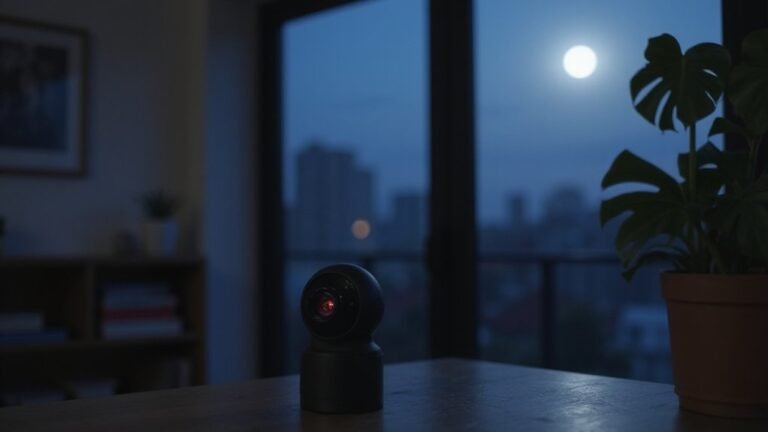
The Tactacam Defend is great for high vantage points and quick intruder alerts.
While the Reveal is ideal for low, stealthy footage of animals.
Choosing the right one depends on what you want to capture. Keep reading to see how these options stack up.
Why Tactacam Defend and Reveal Serve Different Purposes
Intruder deterrence is the primary focus of the DEFEND. You typically mount it high at 8 to 10 feet with a downward angle to make it highly visible. This placement ensures it acts as a deterrent by clearly signaling a security presence and covering larger areas. For those using an iPhone to review footage on the go, a thermal imager for iPhone helps verify heat signatures from intruders or animals. Its detection zones and security-focused app features are designed to support property protection; they aren’t optimized for stealth. Reading photos quickly requires a reliable SD card reader to manage large amounts of high-resolution footage. For wildlife tracking, the Reveal camera is instead mounted at animal level at 2-3 feet high. One camera remains hidden for capturing wildlife or natural scenes, while the other demands attention to enhance safety. Understanding the difference between night vision and thermal technology clarifies which camera suits your specific environment.
Do You Need Home Security or Trail Monitoring?
Choosing between home security and trail monitoring depends on your primary goal. If you want visible security coverage for your property, the Tactacam Defend is the better option. It can be mounted high on nearly any surface, covering large outdoor areas with a 100-foot detection range. It provides real-time alerts for people and vehicles without relying on Wi‑Fi for setup. The color options allow you to blend it with your property or make it more noticeable as a deterrent. Its design supports continuous monitoring and maintains long battery life, making it suitable for ongoing outdoor security. However, if the app goes down, you may face real-world limits like delayed alerts and missed detections during critical moments. For hunters who prioritize both security and stealth, a crossbow with night vision scope can serve a dual purpose for property surveillance and low-light trail observation. For a hands-on approach, you can customize a casing using DIY tools and parts to protect the camera in harsh weather.
On the other hand, if tracking wildlife along trails is your focus, the Tactacam Reveal is preferable. It is mounted low at 3–4 feet to target specific points like food sources or water holes. Its discreet design keeps it hidden from animals and humans alike. The Reveal app helps filter photos by temperature and moon phase, making it easier to identify and analyze wildlife activity. This system is optimized for trail monitoring rather than security, providing a more subtle and specific tool for wildlife observation.
Defend vs. Reveal: Head-to-Head Spec Breakdown
The Defend and Reveal camera families differ significantly in mounting and placement strategies. The Defend is designed to be mounted at about 8 to 10 feet high with a downward angle, creating a broad surveillance zone that acts as a visual deterrent. This height and angle prevent easy tampering and give a wide field of view, ideal for perimeter security. In contrast, the Reveal is mounted at 3 to 4 feet, placing it at an animal or human eye level for more discreet monitoring. Its lower position makes it suitable for blending into garden or outdoor environments without drawing attention. The Defend line uses quad detection to cover a broader area, which increases the chance of false triggers outdoors but effectively detects moving animals in open spaces. For users seeking even broader coverage over large open areas, a thermal drone for hunting can provide a significant aerial advantage. The step-by-step instructions in the setup guide recommend testing the LTE cellular connection before finalizing the mount to ensure reliable data transmission. However, unlike some dedicated thermal devices, Vortex does not manufacture a thermal scope for their optics lineup, which shifts the focus to camera-based solutions like these models.
Both models utilize LTE cellular networks for connectivity, but their specs cater to different needs. The Defend features 4K photo resolution, providing crystal-clear images suitable for identification and evidence. It also has a flash range of 75 feet, enabling good illumination in low-light conditions. The Reveal offers a longer infrared (IR) range of over 96 feet, which allows for better night vision, and a PIR (passive infrared) angle of 45 degrees, optimizing motion detection at lower, more discreet positions.
Feature customization is key; your choice should depend on where and how you plan to use the camera. The Defend’s quick trigger speed of 0.40 seconds ensures rapid response during security situations, making it highly effective for active perimeter monitoring. Customer reviews often highlight this speed as a major advantage for capturing intruders or suspicious activity before they can interfere.
What Defend’s Security Design Means for You
Because your Defend camera is mounted high at 8 to 10 feet with a downward angle, it provides a wide surveillance zone that serves as a visual deterrent for unauthorized activity. This elevated position reduces blind spots in large open spaces like driveways or job sites, giving you better coverage. Instant cellular alerts notify you immediately when motion activates the camera, and you can remotely check the live view to assess the situation. Sensor accuracy ensures critical movements don’t go unnoticed, while color accuracy captures clear details even at night. Designed for continuous, rugged monitoring, this security setup withstands harsh weather conditions with durable weatherproofing and offers flexible power options, allowing you to deploy it anywhere from your backyard to a remote cabin without relying on Wi-Fi. For broader situational awareness in off-grid areas, you can integrate thermal drone sensors to detect heat signatures in low-light or obscured environments. Understanding local regulations is crucial, as spotlighting deer without a gun may still be subject to strict wildlife laws regarding harassment and night hunting. To maximize your success, review the key comparison metrics between these models before committing to a purchase.
What Reveal’s Scouting Design Means for You
The Reveal camera is designed for scouting-focused use, so you’ll place it at about 3 to 4 feet off the ground, roughly chest height. This height allows you to capture clear images of animals passing through water holes, bedding sites, or pinch points. The camera should be angled slightly downward to cover a broad area without creating blind spots. To reduce false triggers, avoid placing it in direct sunlight and clear out any branches or movement obstructions from the detection zone. Battery life can vary significantly depending on temperature, image quality settings, and the number of triggers per day. Use the Reveal app to fine-tune your camera’s settings remotely and monitor battery life without disturbing wildlife. When setting up, connect image captures to terrain features using mapping tools. Check wind directions and access routes beforehand. This strategic placement and planning help you anticipate animal movements as seasons shift, providing valuable insights for your wildlife management or hunting efforts. For those also concerned with personal safety, reviewing ballistic helmets with face shields can inform gear choices for field protection. To ensure your night vision scope remains accurate for such setups, perform a properly sight in procedure using a stable rest and a known target at a fixed distance.
Flash, Video, and Speed: How They Compare for Your Setup
Flash, video, and speed specs all influence your setup’s effectiveness, and they work together to meet different needs. With the infrared flash, you can select between low-glow for less disturbance or no-glow for maximum stealth—perfect for discreet Reveal setups. The Reveal line offers flexible video resolution, capturing 1080p video or 4K photos, which is ideal for detailed scouting or wildlife observation rather than straightforward security. Understanding why red night vision goggles were banned can help users avoid similar detection pitfalls when choosing stealthy IR flash options. Speed is crucial for capturing fast-moving subjects. The Reveal 3.0 has a trigger speed of just 0.35 seconds, enabling it to catch rapid animal movements. The Ultra model offers even faster response times, often under half a second, making it highly responsive to quick activity. In comparison, the Defend’s speed specifications are less clear, but it typically needs to be mounted higher—around 8 to 10 feet—to cover larger property areas. Meanwhile, the Reveal is positioned lower, around 3 to 4 feet, at animal-level to optimize both flash and camera angle for wildlife. Combining appropriate flash choices and placement ensures your camera setup matches your specific surveillance or scouting goals. For users wondering about detection limits, thermal cameras cannot detect flatulence due to the lack of heat signature, which is similar to how stealthy IR flash options avoid detection. Understanding thermal drone costs can help budget-conscious shoppers prioritize features like trigger speed and flash type without overspending.
Power Options Compared: Batteries, Solar, and External Packs
Batteries, solar panels, and external packs all keep your security camera powered, each with their own advantages. For battery life, Energizer Ultimate Lithium AAs last about 7.1 months in the Defend model, making them ideal for extended operation. Rechargeable AAs have a shorter lifespan, around 4.7 months, but can be recharged for ongoing use. The Defend also features a 5200 mAh rechargeable battery pack that replaces the AA tray and charges via USB-C, eliminating the need to buy new alkalines repeatedly. Adding a solar panel accessory can recharge that battery pack in the field and keeps AAs as a backup option. During cold weather, lithium AAs perform best as they resist freezing and last longer. For continuous power, you can connect a 12V external jack to powered sources off-camera, though runtime data for this option is not available. This rechargeable battery pack provides off-grid power for locations lacking outlet access. Building your own power setup requires careful attention to thermal scope wiring to avoid short circuits.
Durability and Design: Built to Stand Out or Blend In
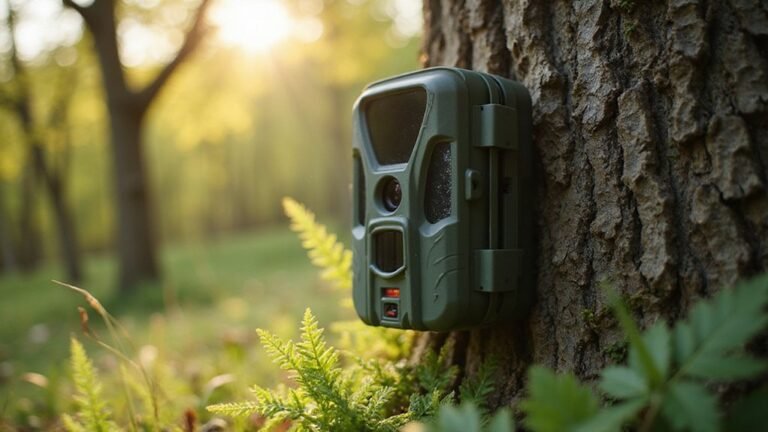
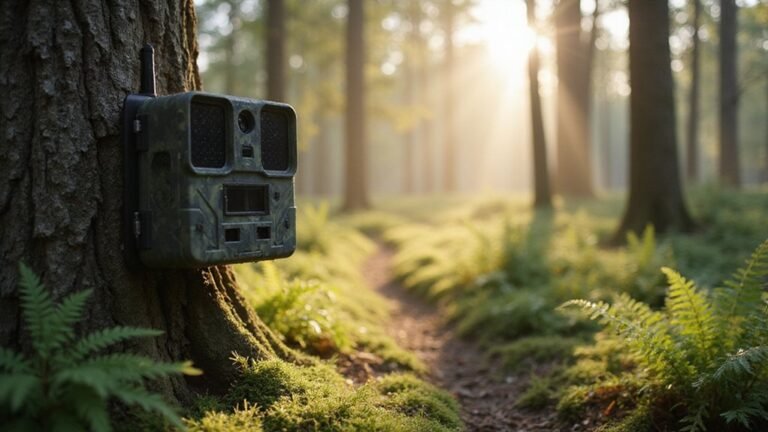
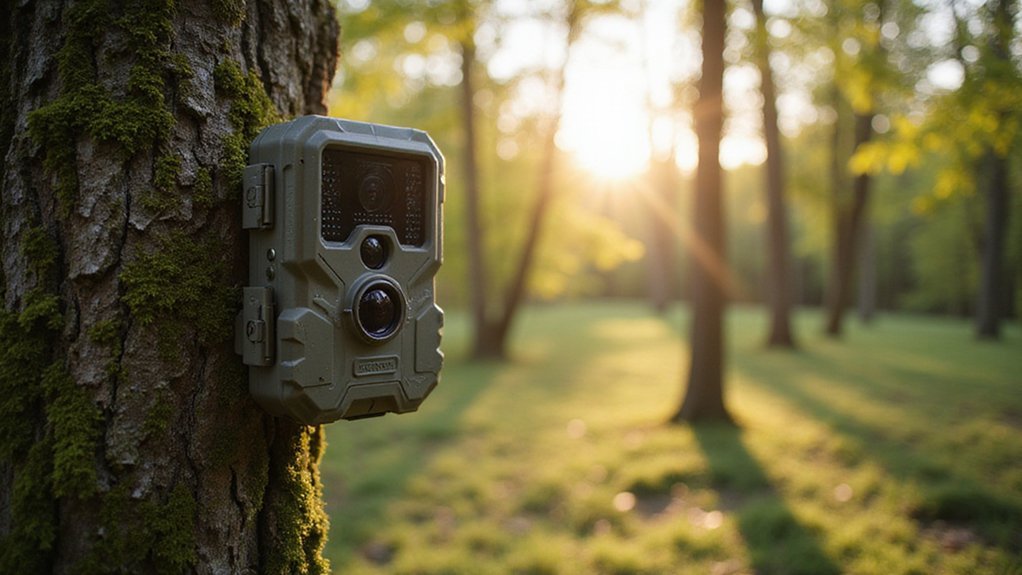
The choice between the Tactacam Reveal and Defend mainly depends on whether you want your camera to blend in or stand out. The Reveal emphasizes camouflage, making it nearly invisible when strapped to a tree or positioned in the woods. Its design helps you monitor wildlife discreetly without startling animals or alerting others to its presence. On the other hand, the Defend features a visible, noticeable design aimed at deterring threats. Its appearance signals to potential intruders or wildlife that the area is being watched. Both models excel in weather resistance, handling rain, snow, dust, and extreme temperatures without issue. This means you can rely on them regardless of the season or environmental conditions. A trail camera works by using motion sensors to detect heat and movement, then automatically capturing images or video. The key difference lies in their visual impact—choose the Reveal for concealment or the Defend for deterrence—while both deliver dependable durability.
Mounting Guide: 8–10 Feet for Security, 3–4 Feet for Scouting
Mount the REVEAL camera at 3 to 4 feet, with a slight downward tilt of about 10 degrees. This height puts you at animal level, making it ideal for scouting deer or smaller game. The camera is focused on close-up detection rather than long-distance security. Aim it north when possible, avoid direct sunlight to prevent glare, and test your angle before you leave the site. For security monitoring, a separate camera should be mounted 8-10 feet high to ensure effective coverage of entry points and a wider field of view. Adjust both height and distance for optimal performance, especially around small or wind-prone trees, which can interfere with the camera’s stability and image quality.
When to Choose Defend Over Reveal for Property Security
Choose DEFEND over REVEAL when securing large, open areas like roads, access points, and outbuildings where clear traffic awareness is essential. DEFEND provides active, visible coverage that alerts you to motion and activity across broad property zones. It is ideal for situations where you need to monitor entryways or large outdoor spaces continuously. These cameras are built to be more imposing, with a rugged, hard plastic build and sunshields to stand out. REVEAL, on the other hand, is better suited for close-range, discreet observation of specific objects or scenes. So, for overall property protection and active deterrence, DEFEND is the better choice.