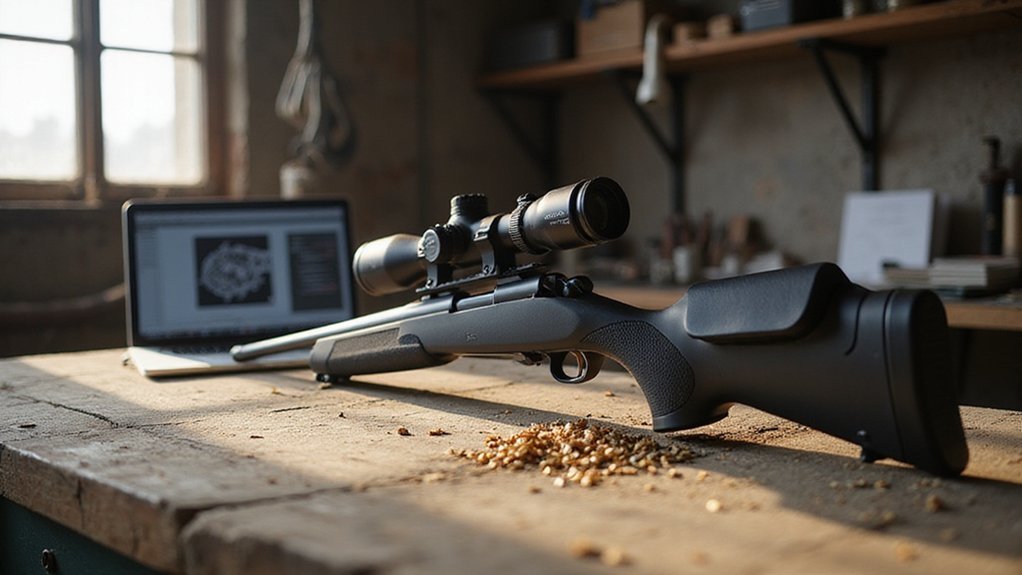
Unveiling the Origin: Where Are Pulsar Thermal Scopes Made?
Wondering where Pulsar thermal scopes are made? You’ll be glad to know they are fully produced in Europe, with manufacturing in Lithuania, Latvia, and Poland, plus an assembly site in Sweden.
All sensors and components are sourced from Europe and meet strict regional quality standards.
Keep reading to see how this shift impacts your warranty and shipping options.
Where Are Pulsar Thermal Scopes Actually Made? The Short Answer
Pulsar thermal scopes are entirely made in Europe. Yukon Advanced Optics Worldwide, the parent company, is based in Lithuania, and all design, manufacturing, and assembly processes take place at European facilities. The materials primarily come from local European suppliers; plastic and metal parts are formed in Latvia before final assembly and calibration in Vilnius. This transparent supply chain ensures quality control and builds trust, as you know exactly where your product originates. By 2023, Pulsar achieved 100% European-made production, meaning your thermal scope is made across Lithuania, Latvia, and Poland. There is no outsourcing to China or assembly in the United States—just European engineering and craftsmanship from start to finish. The company operates over 1,000 employees across its European facilities in Lithuania and Scotland. For those who value seamless field setup, this trusted manufacturing model works much like the Quick Connect system found on Stealth Cam devices, which allows instant attachment without tools. This full reliance on European expertise contrasts with the image intensifier technology commonly found in traditional night vision goggles. To help decide which technology fits your needs, it is helpful to understand the difference between night vision and thermal.
Why European Factories Make Better Pulsar Thermal Scopes
Because Pulsar manages every stage of production in Lithuania, Latvia, and Poland, you receive a scope built to European quality standards rather than a generic assembly-line product. This control ensures superior material quality from the start, such as LYNRED sensors sourced from France and magnesium alloy housings that function as heat sinks. These features are not just specifications; they result from strict guidelines and hands-on craftsmanship, not rushed assembly. Thermal cameras work by detecting infrared radiation, and European quality standards guarantee this detection is precise. Furthermore, the same European approach to craftsmanship and accountability means each component is tested for consistency, much like the Moultrie Mobile system ensures reliable connectivity for its users. Additionally, you benefit from ethical labor standards and low employee turnover, which leads to a stable, highly skilled workforce. This consistency across factories minimizes supply chain risks, reducing the chances of delays or compromised quality. The same dedication to precision is evident in the top red light hunting gear reviewed on reputable sites, which prioritize quality and performance over cost-cutting. Ultimately, your thermal imager is more reliable and higher-performing because it is designed, manufactured, and assembled entirely within the European Union.

High-Resolution Thermal Imaging: Equipped with a 2-inch display and 320240 resolution thermal camera, this scope offers clear heat signatures with real-time 50Hz refresh rate and 3x digital zoom for spotting targets up to 100 meters away

1. Dual-Use Design – Handheld & Rifle Mounted This thermal imaging monocular features a versatile dual-use design. It can be used as a handheld thermal night vision viewer or quickly mounted on a rifle via a Picatinny/Weaver rail, meeting different outdoor observation needs.
The 2023 Manufacturing Shift: When Pulsar Became 100% European-Made
Pulsar officially became 100% European-made. The company moved all manufacturing and assembly operations entirely within Europe, eliminating reliance on non-European regions. This shift enhances transparency by making it clear that their products are designed, produced, and assembled in the EU. It also reduces exposure to geopolitical risks, such as unstable supply chains or tariffs, that can disrupt production. By choosing Europe over countries like China, Pulsar ensures tighter quality control and faster response times. This contrasts with other optical technologies, such as red night vision goggles, which face regulatory bans due to military and privacy concerns. This is a permanent change, not just a temporary adjustment, signaling a strong commitment to local manufacturing. While the exact origins of individual components aren’t publicly detailed, Pulsar’s messaging confirms their entire production chain now operates solely within Europe.

Ultra Sensitive Thermal Sensor: cutting-edge thermal scope the ThOR LTV delivers an ultra clear visual with its 12 micron sensor and 60Hz refresh rate, providing a distortion free image

[High-Resolution Thermal Imaging]:The i4SEE EM10-256 Thermal Imaging Monocular features a 256×192 uncooled VOx infrared detector and a 10mm F1.0 lens, delivering a detection range of up to 500 meters (550 yards). With a NETD of 30mK and a 50Hz frame rate, it provides crisp, real-time thermal imaging for night vision, hunting, and outdoor adventures. Whether you're tracking game or navigating in complete darkness, this thermal monocular ensures superior performance and reliability.
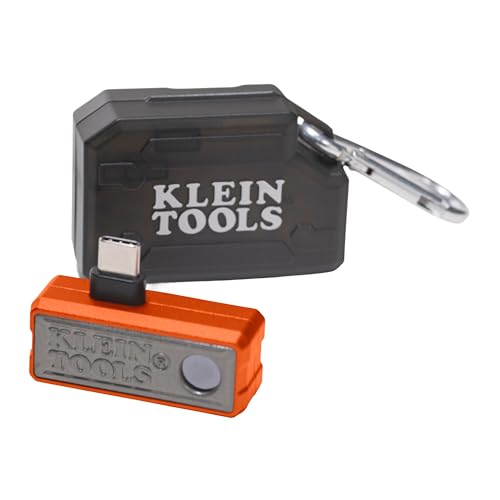
19,200-PIXEL RESOLUTION: High-quality thermal imaging camera delivers excellent resolution for troubleshooting hot and cold spots in electrical and HVAC applications
Where Pulsar Builds Its Scopes: Lithuania, Latvia, and Sweden
Pulsar’s production process is fully European, spread across three countries. The headquarters in Vilnius, Lithuania, handles research and development, firmware design, and final assembly of scopes like the Telos LRF XP50. Just over the border, Latvia’s facilities manufacture plastic and metal parts, starting from raw materials. Sweden adds a third assembly site, completing the network. This regional approach emphasizes strong manufacturing ethics: rather than offshoring, Pulsar keeps its production close to its European roots. It also ensures supply chain transparency, as each site contributes a specific role in development, assembly, or testing, giving you clear insight into where your gear is made. This integrated process helps you make informed choices when selecting night vision goggles for your specific needs. For those comparing thermal options, understanding Pulsar’s manufacturing quality is key to evaluating performance and cost against competitors like AGM. Building a DIY thermal camera requires similar attention to component sourcing and assembly quality.
How Pulsar Sources French Sensors for European Assembly
Pulsar’s sensors are sourced from across Europe, but there is no direct evidence to confirm a French origin. The company emphasizes sourcing components from various EU facilities rather than identifying specific suppliers or factories. Their manufacturing process operates from Lithuania, with additional contributions from sites in Latvia and Sweden. It’s likely that sensors are integrated into the assembly line at these locations for calibration and testing. However, no publicly available information points to a particular French manufacturer supplying the sensors. While Pulsar promotes its products as fully European-made, the sensors themselves probably pass through a distributed supply chain within Europe before final assembly. Therefore, although you can confidently state that Pulsar relies on European components, the claim of a specifically French sensor origin remains unverified based on current evidence. The historical development of night vision goggles shows how such electro-optical technology evolved from bulky military equipment into compact consumer devices. For users troubleshooting similar European-made devices, a Stealth Cam Fusion X reset follows a simple sequence of pressing the mode and power buttons simultaneously. Building your own trail camera security box can help protect such equipment from theft and weather damage.

Wide Applicability: Designed for vehicles using European license plates including pickup trucks, buses, and . Please verify that your monitor or DVD navigator features a standard connector and supports the required video interface before installation.

[WIDE ANGLE SAFETY] Designed with a 170 degree viewing angle this license plate frame camera helps reduce blind spots and gives you a broader clearer rear view while reversing. The integrated lines make parking easier and help you judge distance with more confidence.

【Wide View Backup Camera】The license plate frame provides a 170 degree view with integrated lines, helping drivers check the rear area while reverse parking.
What Pulsar’s European Roots Mean for Your Scope’s Warranty and Shipping
Pulsar’s European roots mean you benefit from tighter quality control and faster support, but shipping restrictions can still apply. Since the scopes rely on sensors sourced from Europe and are assembled, produced, and developed there, the overall quality tends to be more consistent. This regional focus reduces the time it takes to process warranty claims because your product is serviced closer to home, often through regional centers rather than relying on distant factories. However, export-control licensing can limit where the scopes can be shipped, even within the European Union. It’s important to check with your local distributor to understand any restrictions. For example, when comparing Stealth Cam vs. Tactacam for trail cameras, similar considerations about regional production and performance can influence your choice. Ultimately, your warranty and service eligibility depend on the authorized seller and your country of purchase, not solely on the product’s European origin. For those interested in broader thermal imaging applications, a DIY approach to building a thermal drone can provide hands-on insight into sensor integration and assembly. Unlike thermal imaging, night vision technology relies on ambient light amplification to produce familiar green-tinted imagery for enhanced low-light visibility.

Includes AGM RattlerV2 19-256 Thermal Imaging Scope, 5 AGM Thermal Targets which allows for easy zeroing of the thermal rifle scope, and Microfiber Optics Cleaning Cloth by Field Boys, a Trademarked Brand.

[HIGH SENSITIVITY DETECTOR]- 256x192 Thermal sensor, 25mm detective lens, 3.5x basic magnification and a 7.0° horizontal field of view allow targets as far as 1422 yards away to be viewed clearly.

Converts day scopes into thermal imaging devices for enhanced visibility.