Night Vision Binocular Cost: How Much Do They Really Cost?
Wondering how much night vision binoculars actually cost? The price varies greatly depending on the technology you need.
Basic digital models can start under $200 for casual use, while top-tier Gen 3 units often cost $3,000 or more and can go beyond $15,000.
Keep reading to see what factors influence these prices and how to find the right fit for your budget.
How Much Do Night Vision Binoculars Really Cost?
Night vision binoculars range from about $100 for basic digital models to over $15,000 for top-tier military-grade units. The cost largely depends on the core technology and intended use. Entry-level digital binoculars under $200 typically offer low image quality, suitable only for casual or introductory use. Used Soviet-era models can be found as budget alternatives but tend to have outdated performance. For professional or tactical applications, expect to pay at least $3,000 for Gen 3 night vision, with prices that can climb to $6,000 or more. Understanding the image intensifier tube technology inside these devices explains their high performance and cost. Durability and weatherproofing also influence the final price, especially if you plan to use them in harsh climates. Your specific needs and environment will determine the best balance of cost and quality, and you may also need to consider whether night vision or thermal imaging better suits your intended application. As with choosing a trail camera, deciding between different technology and features is key to getting the best value for your needs.
Budget to Professional: Night Vision Price Tiers Explained
Night vision binoculars are available in various price tiers, each offering different levels of technology and performance. Budget models, costing between around $200 and $500, typically utilize Gen 1 or basic digital technology. These are suitable for casual observation, providing limited infrared sensitivity and simple operation, but they are generally less effective in challenging conditions. The features and components that make up the device are the primary drivers of price, as with many optical instruments.
Mid-tier options, ranging from approximately $500 to $1,800, include Gen 2+ or enhanced digital units. They deliver significantly improved clarity and a broader array of features, making them ideal for serious hobbyists who want more reliable performance without the high cost of professional gear. Assembling a custom optical device requires careful soldering and wiring for reliable electrical connections. These models often have better infrared sensitivity and more user-friendly interfaces.
High-end professional-grade night vision devices, priced above around $1,800 and up to $4,500 or more, use Gen 3 or thermal core technology. They provide exceptional infrared sensitivity and superior image quality, suitable for critical applications such as security, law enforcement, or wildlife research. For specialized head-mounted applications, a thermal monocular is often the preferred tool, and these units tend to consume more power, requiring robust batteries to operate effectively. Your choice depends on balancing your specific needs, environment, and budget.

NIGHT VISION GOGGLES FOR ADULTS 4K – Experience clear digital night vision with a 4K imaging system and large 4.5" HD screen. Designed for nighttime observation, outdoor exploration, camping, hunting, and wildlife viewing.

UPGRADED HIGH-POWER BINOCULARS - These premium binoculars feature a high-magnification 20x zoom eyepiece and offer a 168-yard field of view at 1000 yards. This allows you to observe and focus on intricate details of distant targets up to 1000 yards away, delivering exceptionally broad and clear long-distance vision. Ideal for adults engaged in bird watching, hunting, camping, climbing, hiking, safari, travel, opera, concerts, sports events, and stargazing. They are essential gear for camping, hunting, travel, and cruises.
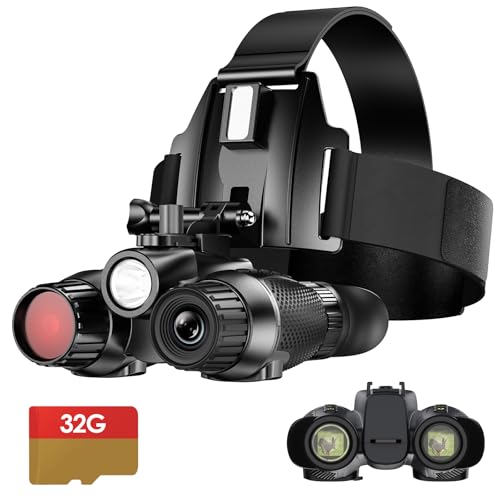
【3D Naked-Eye Effect】Enjoy clear and detailed 3D virtual reality night vision with dual-screen, dual-eyepiece naked-eye 3D viewing. Capture stunning 36MP photos and ultra-high-definition videos.
What Drives the Price of Night Vision Binoculars?
The high cost of night vision binoculars is primarily driven by manufacturing expenses and market factors. Producing infrared components involves rare materials like gallium arsenide, which are costly and require specialized processes such as vacuum deposition. Creating durable, weather-resistant housings demands complex assembly lines and quality controls, contributing further to the expense, much like the rugged construction needed for outdoor game cameras.
Market demand for these devices remains relatively niche, preventing economies of scale that typically lower prices in consumer electronics. This is further evidenced by specific restrictions on devices like red night vision goggles. As a result, manufacturers maintain higher unit prices to offset lower production volumes. Additional features like integrated LED illumination systems add both value and manufacturing complexity, raising costs. Consumers often find the best selection and competitive pricing by researching specialized outdoor retailers.
Finally, the substantial investments in research and development, along with strict regulatory compliance for restricted devices, increase overhead costs. These expenses are passed on to consumers, positioning night vision binoculars as a premium product with significant price tags.
Gen 3 vs. Gen 2 vs. Digital: Which Technology Fits Your Budget?
Gen 3 technology is the premium choice, offering the best performance with superior range and clarity. It is ideal for professionals and tactical users who need precise detail over long distances. However, it comes with a high price tag—binoculars typically cost over $7,000—making it a significant investment. The tube lifespan ranges from 15,000 to 20,000 hours, supporting demanding and prolonged operations. Gen 3 devices also feature enhanced durability and longer battery life. A key advantage is that, unlike some other optics, thermal scopes can be effectively used during daylight hours. When evaluating performance versus cost, it helps to conduct a thorough thermal imaging comparison. If your priorities include top-tier image quality and reliability in tough conditions, and your budget allows, Gen 3 is the optimal option. You can achieve similar durability and functionality with careful planning, just as you would when assembling a DIY thermal monocular.

Ultra-Clear 2K Resolution – See What Others Can’t: GOYOJO GNG2K Night Vision Monocular delivers sharp 2688x1520 HD night vision with a smooth 60Hz refresh rate. Whether you’re securing your property, spotting coyotes at night, or navigating a pitch-dark trail, you’ll enjoy crystal-clear visuals without lag or blur — even in total darkness.

【Advanced Night Vision Goggles】- Powered by revolutionary AI-ISP technology, Seemor comprehensively improves image quality, resulting in stunning full-color images with lossless dynamics, even in ultra-low light conditions. Seemor reproduces color with 99% accuracy, making it a game-changer in low-light circumstance.

【4K Ultra HD Image Quality】The NTX3 advanced night vision goggles for adults capture stunning 4K videos and 40MP photos—day or night. Whether you're into hunting gear, camping, or night surveillance, they deliver unmatched detail and clarity
Is Military-Grade Night Vision Worth the Premium Price?
Military-grade night vision is definitely worth the premium price if you depend on reliability, durability, and performance in high-stakes environments. These systems, typically costing between $4,000 and $10,000 or more, meet strict military standards that ensure they function flawlessly in complete darkness. Cheaper alternatives such as Gen 2 or digital models—usually under $2,500—may seem appealing but often lack the sensitivity and ruggedness needed for critical tactical situations. The superior image clarity and proven reliability of Gen 3 systems can make the difference between success and failure when every second counts. Constructing a comparable unit yourself is extremely challenging and typically yields an inferior product, as building your own DIY night vision goggles involves complex assembly of specialized components like image intensifier tubes. The higher cost reflects their advanced manufacturing standards and tested capabilities, making them an essential investment for professionals where compromise is not an option. Unlike devices that rely on an infrared illuminator, true Gen 3 systems amplify existing ambient light without producing a visible glow. This professional equipment is sometimes referred to by its common military acronym, night vision goggles (NODs).

Image Intensifier Tube: Gen 3 Auto-Gated White Phosphor Level 1 technology provides superior image clarity and performance in low-light conditions

DUCO Fit Over Design with Side Shields – Night vision glasses for men women worn comfortably over most glasses, expanding peripheral vision for a wider field of view. Available in M and L sizes for a secure, personalized fit
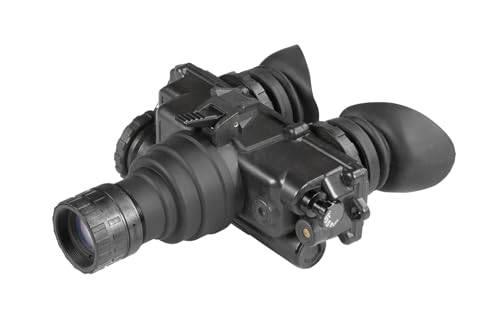
U.S. Military-Grade Night Vision Reliability: Crafted to meet the rigorous demands of the U.S. Military, the AGM PVS-7 night vision goggles deliver unmatched performance and dependability in the field. This rugged, battle-proven device is your trusted companion for secure and precise night operations
How to Choose the Right Night Vision Binoculars for Your Needs
To start choosing night vision binoculars, focus on matching the specifications to your specific needs. First, look at the magnification. Typical options range from 3x to 7x, with 5x being common for general use. A lower magnification, like 3x, provides a wider field of view, which is helpful in dense terrain or when tracking movement. Higher magnifications, such as 7x, offer more detail but narrow your view, making it harder to follow fast-moving objects.
The second key feature is the objective lens size, measured in millimeters. Larger lenses, such as 40mm or 50mm, gather more light, which translates to brighter images at night. For example, an 8×40 model offers eight times magnification with 40mm lenses, balancing light collection and magnification. Consider how much light you need based on your typical environment: darker conditions generally benefit from larger lenses.
In addition, prioritize a wide field of view for easier tracking and spotting movement. If you plan to observe objects at close distance, check the close-focus distance, making sure it suits your needs. Lastly, assess the durability: waterproof and rugged models are better suited for challenging conditions such as rain, dew, or rough handling. Selecting the right combination of these features will ensure your night vision binoculars meet your expectations and conditions. For mounting the device securely, especially on a rifle, consider the advantages of a cantilever scope mount for optimal eye relief and positioning.

PROFESSIONAL POWERFUL BINOCULARS---Designed with 20X magnification, 50mm large objective lens and 24mm eye lens diameter which delivering clearer and brighter view. Perfect binoculars for adults bird watching, camping, hiking, sports and stargazing.

Day or Night Viewing - Capture video in both daytime and nighttime modes. Store files directly to a microSD card for easy viewing and sharing.
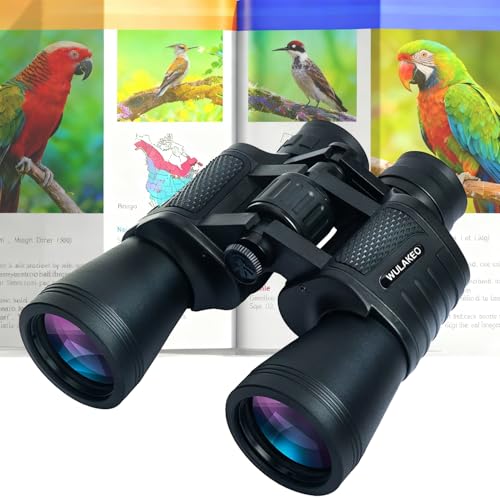
[CRYSTAL-CLEAR 20x50 OPTICS] See distant objects up to 1,000 yards away with stunning clarity. Featuring true 20x optical magnification and 50mm objective lenses, BAK4 prisms and FMC-coated lenses deliver bright, sharp images even in low light, preventing blurry views and eye strain. Ideal for bird watching, hunting, and outdoor adventures.
Where to Buy Night Vision Binoculars: A Buyer’s Guide
You can purchase night vision binoculars from a variety of sources, each offering different options depending on your budget and requirements. For high-end models with advanced features like Gen 3 white phosphor tubes, specialized retailers such as TNVC or Steele Industries are your best bet. These stores typically carry units that meet military-grade standards and provide expert advice. When choosing between high-performance models, carefully weigh the Tactacam Reveal 3.0 vs. Pro comparison to inform your purchase across different product categories. Online marketplaces like Amazon offer a broad selection, ranging from affordable digital options under 200 dollars to more sophisticated devices. When selecting a device, consider its intended use in the field just as you would when comparing low glow vs. no glow trail cameras. Direct brand stores such as AGM or Nightfox also sell their products online, often with exclusive models or bundles. When choosing where to buy, compare technical specifications and prices across these channels, since costs can vary widely—from budget digital models to professional-grade panoramic goggles costing over 40,000 dollars. Just as you’d follow a step-by-step guide to add a camera to a cellular game system, ensure you read the retailer’s setup instructions carefully for your night vision device.
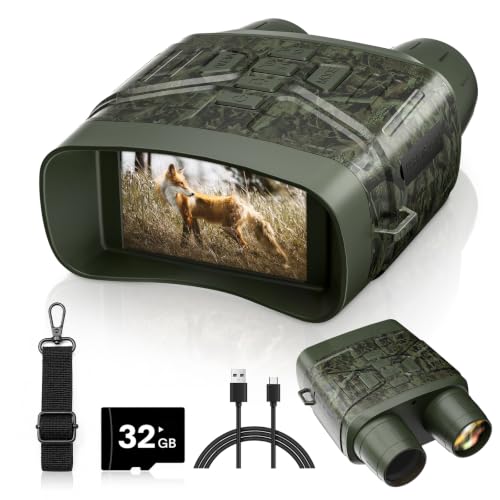
Day and night viewing: Use these night vision goggles in daylight, low light, or complete darkness. The 850nm infrared illuminator provides clear black-and-white viewing at night for hunting, wildlife observation, camping, and property monitoring.

WiFi App Live Viewing and Sharing — Connect these WiFi night vision goggles directly to your smartphone to view live footage, take photos, record videos, and download saved files through the app. Photos and videos can be stored locally on the device/microSD card and your phone, with no cloud upload or subscription required for file transfer, helping keep your files on your own devices. Ideal for nighttime animal viewing, family camping, hiking, backyard animal watching, and nature learning. A practical back-to-school gift for teens and a thoughtful outdoor gift for dads, husbands, campers, and nature lovers.

★ lmmersive 3D Night vision: Experience the world like never before with our patented naked-eye 3D display technology. Dual-screen binoculars recreate the real three-dimensional scene as seen by the human eye, making it perfect for tactical missions,hunting, or wildlife photography.