Infrared vs. Thermal Camera: What’s the Difference?
Unsure whether you need an infrared or thermal camera? The main difference is how they see:
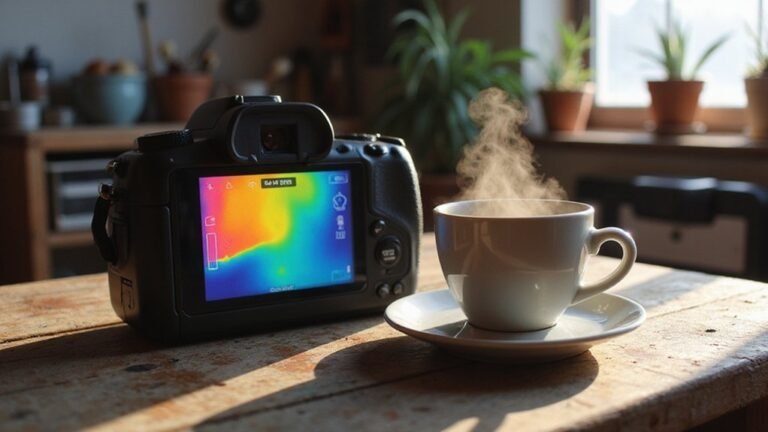
infrared cameras capture reflected light to produce detailed images similar to what you see with your eyes, while thermal cameras detect heat emitted by objects, allowing you to spot temperature differences even in complete darkness.
The right choice depends on whether you want to recognize fine details or simply detect heat signatures.
Keep reading to understand their unique strengths and find your best fit.
How Infrared and Thermal Cameras Work: The Core Difference
Infrared and thermal cameras operate on fundamentally different principles, despite both capturing images beyond the visible spectrum. A standard infrared camera relies on external illumination, such as an infrared spotlight, to capture reflected infrared light from objects. It functions like an enhanced visible-light camera, capturing the reflected IR light to produce an image, which is a key reason why night vision goggle prices can vary so widely based on technology type. In contrast, a thermal camera detects the heat energy that objects emit naturally, allowing it to work in complete darkness without any external light sources. Resetting such a device, similar to performing a factory reset on a trail camera, often restores its ability to accurately detect these energy signatures.
Thermal cameras use a specialized focal plane array sensor that directly converts this emitted infrared radiation into a visual image. The sensor’s calibration is crucial because it affects the camera’s ability to accurately measure temperature differences and generate detailed thermal profiles. Infrared radiation is the form of electromagnetic energy from which these thermal images are created. The resolution of the sensor array, which determines the number of pixels and therefore the level of detail, directly influences the clarity and precision of the resulting heat map. This makes thermal imaging especially valuable for identifying living beings and mechanical parts through their unique heat signatures, much like night vision technology helps with visibility in low-light conditions.
Image Quality: When Do You Need to See Faces vs. Heat Signatures?
Choosing between detailed visual recognition and heat signature detection depends on your main goal. If identification of individuals or specific objects is required, a high-resolution infrared camera is essential. These cameras capture clear images with fine details such as faces or license plates, relying on reflected light to produce sharp, color-accurate visuals. Good image stabilization enhances clarity, making facial recognition or detailed inspection possible.
However, if detecting presence, movement, or heat-related anomalies is your priority, a thermal camera is more suitable. It visualizes temperature differences as color gradients, revealing heat signatures rather than surface details. Thermal imaging excels at spotting living beings or overheated machinery but cannot provide standard facial features or identifiable surface patterns.
Performance in Darkness, Fog, and Smoke
Monitoring in complete darkness, fog, smoke, or haze challenges visibility significantly. Infrared cameras rely on active illumination—emitting near-infrared light and capturing its reflection. In conditions like heavy fog or smoke, this reflected near-infrared light gets scattered or blocked, rendering images low contrast or completely blacked out. On the other hand, thermal cameras detect heat signatures using longer wavelengths that can penetrate obscurants better. They do not need external illumination and perform reliably in absolute darkness and adverse weather conditions. In environments with fog or smoke, thermal imaging offers superior visibility because it’s passively detecting heat rather than relying on scattered light, making it more effective than infrared cameras in these challenging conditions. However, it is a common misconception that thermal imaging can see through solid walls like glass or drywall.
Wavelengths Explained: Why the Spectral Range Matters
Wavelength determines what an infrared camera can detect. Short-wave infrared (SWIR) cameras operate with reflected light, similar to visible light, and are effective for penetrating through materials like plastic or smoke. Mid-wave infrared (MWIR) cameras detect thermal emissions from hot objects, such as engines, before they start to glow visibly. Long-wave infrared (LWIR) sensors pick up ambient heat radiating from everything at room temperature. This makes SWIR cameras suitable for applications requiring reflected light imaging, like spectroscopy or non-destructive testing. MWIR cameras excel at detecting the heat of moving or hot objects, useful in security and industrial inspection. LWIR cameras are ideal for thermal imaging of environmental heat signatures, commonly used in firefighting or building diagnostics. The spectral range an infrared camera covers directly influences its capabilities and the scenarios it can handle effectively.
Top Applications: From Security to Industrial Inspection
Infrared and thermal cameras serve distinct roles based on their detection methods, and their utility varies by application. Thermal cameras excel at detecting heat differences, making them ideal for security, building inspections, and industrial maintenance. They can identify intruders in total darkness or smoke, highlight heat leaks in building envelopes, or spot overheating electrical components. Importantly, thermal cameras cannot see through walls, as their detection is limited to surface temperatures. Building a custom thermal drone can significantly enhance the efficiency of these inspection tasks. For example, selecting the best thermal imaging camera for specific tasks like mold detection requires understanding these heat detection capabilities.
Infrared cameras, on the other hand, focus on specific wavelengths to produce detailed images suitable for identification and analysis. They provide footage with high resolution necessary for facial recognition or license plate reading, making them useful in surveillance and forensic applications.
Market trends favor hybrid systems that combine these capabilities, offering both thermal detection and high-resolution infrared imagery in one device. This integration enables comprehensive assessment, reducing the need for multiple cameras. Whether prioritizing detection, identification, or detailed analysis, selecting the right camera depends on understanding these inherent differences and the specific demands of your environment.

Super Resolution Enhancement: The Flagfront YXI96 thermal camera is equipped with 240x240 super-resolution imaging technology, providing clearer images and capturing more details; A high frame refresh rate of 25Hz ensures a smooth inspection experience


3.5" IPS Display: Thor002 thermal imaging camera features a 3.5‑inch IPS screen for fast, efficient field inspections. Industrial-grade scratch-resistant screen withstands daily wear in the field and maintains consistent visual clarity.
Cost Analysis: Thermal vs. Infrared Systems
The cost difference between thermal and infrared systems is significant, with infrared cameras typically being much more affordable. Basic infrared cameras, such as those used for active night vision, often cost under $500. This affordability can make older active night vision technology accessible for recreational use, though such devices can be restricted in certain contexts. In contrast, standard thermal imaging models usually range from $3,000 to $5,000. The main cost drivers are the expensive materials required for thermal sensors, like germanium lenses, and the microbolometer sensors that detect heat. These sensors function based on the core principle that all objects emit infrared radiation as a function of their temperature.
Advancements in technology, such as higher resolution and radiometric features that allow precise temperature measurement, can double the price of a thermal camera. For startups or individual users, this means initial investments in thermal inspection equipment are considerably higher compared to infrared options. While thermal imaging provides detailed heat signatures that are vital for specific applications, infrared systems offer a more budget-friendly entry point suitable for general use. This distinction is particularly relevant for users comparing dedicated trail cameras for wildlife monitoring.

【5K Cinematic Clarity & Versatility】 This digital camera captures stunning 5K/20fps videos (also 4K/60fps) and 64MP photos with a high-sensitivity CMOS sensor. Perfect for vlogging, travel films, podcast recording, family events, and interviews, delivering cinema-grade detail even in motion.
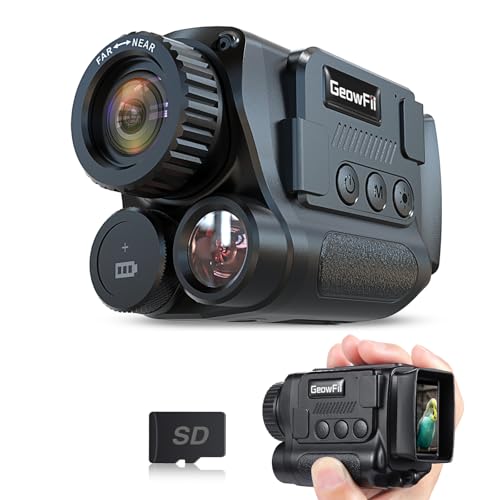
4K Upgraded & Practical—— GeowFiiTech Night Vision Monocular features a 4K version with a 25mm multi-coated lens, enhancing imaging for day and night use. With 4K video, 40MP photos, and essential functions, this monocular night vision meets outdoor needs effectively
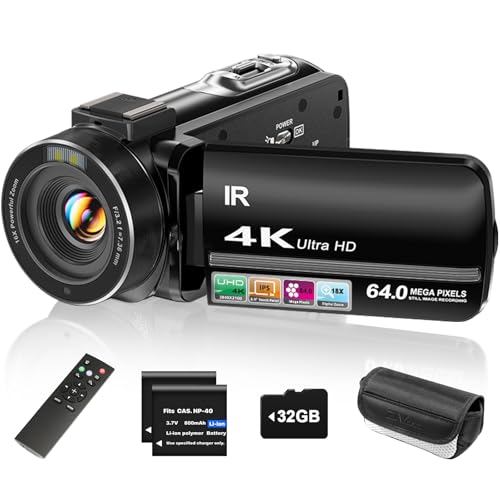
4K & 64MP Video Camera Camcorder: Capture life in breathtaking detail with 4K Ultra HD recording and vibrant 64MP photos, powered by an advanced high-sensitivity CMOS sensor. Equipped for exploring the beautiful world, this video camera is your perfect companion! Ideal for video recording, travel vlogs, family activities, interviews, studying, and cherishing precious moments
Checklist: 5 Questions to Define Your Camera Needs
To choose the right camera system, you need to clarify several operational requirements. First, determine the temperature range you need to measure. This is essential because some applications require precise thermal calibration, such as industrial inspections, while others only need basic heat detection. Next, assess how quickly the data must be captured—whether you need high-speed video or just a single thermal snapshot. Third, consider the size and distance of your target, which influences your choice of lens and system range. Fourth, select the appropriate detector type, keeping in mind that cooled sensors offer higher sensitivity for thermal imaging, whereas uncooled sensors are more practical for applications like heat detection. Lastly, identify the analysis and reporting features you need, such as temperature overlays for detailed inspections or simple heat maps for security purposes. Clearly defining these aspects ensures your camera system will meet your specific operational needs.

Enhanced Clarity with 240x240 TISR Resolution: Equipped with TISR technology, the H128 infrared camera elevates your thermal imaging clarity from 128x128 to 240x240 resolution. With a thermal sensitivity of 40mk, it captures the slightest temperature differences. A frame rate of 25Hz ensures smooth, stutter-free imagery, providing you with a silky-smooth experience during inspections.

3.5'' 640×480 IPS: This thermal imager features a 2MP visible light camera and a 3.5" 640×480 IPS display for exceptional clarity. With upgraded X³ IR technology, it boosts thermal resolution from 256×192 to 512×384. This handheld thermal camera supports a smooth 25Hz refresh rate, and offers ultra-fine 40mK sensitivity—delivering faster, more detailed inspections.

【Ultra-Sharp Thermal Imaging】 Capture clear, detailed heat signatures with a high-resolution thermal sensor enhanced by advanced image-processing technology at 240 x 240 TSIR Resolution. A wide field of view of 50°x 50° and smooth 25 Hz high-refresh-rate output ensure accurate visuals—perfect for home inspections, HVAC troubleshooting, automotive diagnostics, and electrical system checks.
Can a Thermal Camera Replace Your Night Vision?
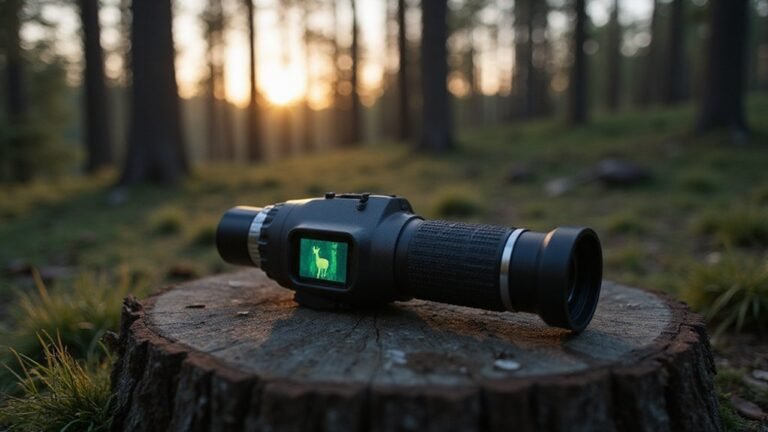
Thermal cameras cannot fully replace night vision when it comes to identifying individual faces or reading signage. They excel at detecting heat signatures in total darkness, through smoke, and even around camouflage by highlighting temperature differences. This makes thermal imaging ideal for locating targets quickly and in challenging conditions like fog and heavy brush. However, thermal cameras produce blurry, heat-based blobs that lack the high-resolution detail needed for positive identification. Night vision devices, on the other hand, amplify ambient light to produce clear, detailed images, revealing facial features, text, and other visual cues essential for confirming a target’s identity, and ensuring a secure night vision device mount is crucial for maintaining that critical image stability. For comprehensive outdoor security, many top outdoor cameras effectively combine both thermal detection and detailed night vision. For example, in home inspection, professionals use thermal imaging to quickly find hidden moisture or electrical issues. Therefore, while thermal cameras are excellent for detection, they fall short for positive identification, which requires the detailed imagery provided by traditional night vision.

Enhanced Fixed Magnifier with Expanded Field of View: The Gen II features an upgraded fixed magnifier boasting a wider objective lens. This delivers a significantly enhanced field of view for superior situational awareness and target acquisition, surpassing the limitations of a removable 2x magnifier.
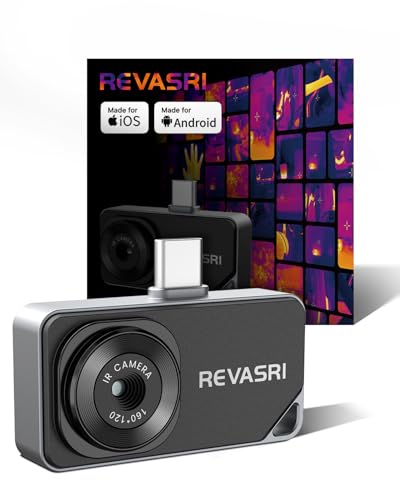
IOS & Android Compatibility: The REVASRI thermal camera is compatible with USB-C interface phones, tablets, and computers, and is suitable for IOS, Android, and Windows systems. Download the application by scanning the QR code in the user manual. Simply download the dedicated 'Camera +' APP application to achieve instant plug and play operation
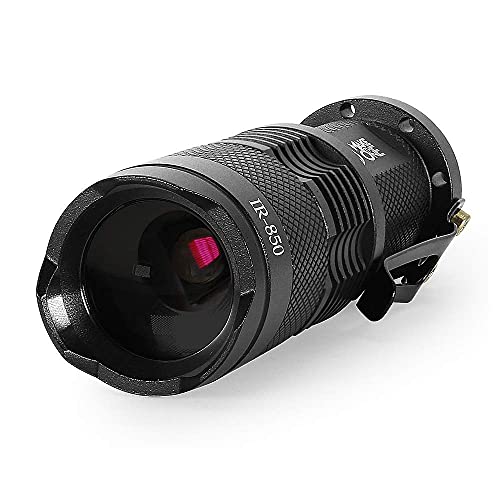
INVISIBLE IR LIGHT: IR Torch is NOT for General Lighting Purpose. It emits invisible but high power 850NM IR light. NOTICE: IR can't be seen by human eyes.Recommend to use 850NM night vision monocular and goggles together, instead of general camera.
Making the Final Choice: A Simple Selection Framework
Choosing between thermal and infrared imaging depends primarily on your operational goal. Thermal imaging is ideal if you’re focusing on detecting heat differences, such as finding intruders, heat leaks, or working in complete darkness and smoky conditions. Its ability to operate independently of light and weather makes it highly reliable in adverse environments, although it comes with higher costs and more complex installation. A thermal imager works by detecting infrared radiation emitted by all objects. For tasks requiring clear identification in daylight, a daylight thermal scope can be particularly effective.
Infrared imaging, on the other hand, excels at visual recognition tasks. It enables you to see license plates, facial features, and other detailed images with high resolution. Infrared cameras can be integrated easily with existing CCTV systems, simplifying installation. The core technology behind these cameras often involves image intensifier tubes to amplify available light. For perimeter security where detecting intruders is more critical than seeing detailed features, thermal imaging is the better choice. If your goal involves detailed nighttime surveillance with clear grayscale images but less concern for temperature accuracy, infrared offers superior image clarity.
Ultimately, your main operational objective guides your selection: prioritize thermal for heat detection and robustness or infrared for detailed visual recognition and ease of integration.

Thermal camera utilizes infrared technology to accurately measure temperatures in the range of -40°C to 300°C, accurate to ±2℃

[Enhanced Clarity with 512×384 TISR Resolution] - Start with 256×192 thermal imaging and enhance to 512×384 super resolution with TISR technology for providing clearer images and capturing more details. The wide 56° x 42° FOV, <40mk sensitivity and 25Hz high refresh rate deliver accurate and smooth thermal images, ideal for detailed inspections in homes and on electrical systems and machinery.

【Enhanced Thermal Precision Detection】 Featuring a 2.8" LCD screen paired with 240x240 super-resolution technology, this thermal imaging camera delivers ultra-clear thermal images. Its <50mk thermal sensitivity and a smooth 25Hz high frame rate provide seamless, lag-free imaging, allowing you to detect subtle temperature differences during use and quickly identify anomalies