How Much Does a Night Vision Camera Cost?
Wondering how much you should expect to spend on a night vision camera? Prices can range from around $30 for basic models to over $1,000 for high-end systems with thermal imaging and 4K video.
Your budget largely determines the features, image quality, and detection distance you get. Keep reading to find out which price point matches your needs.
How Much Should You Spend on a Night Vision Camera?
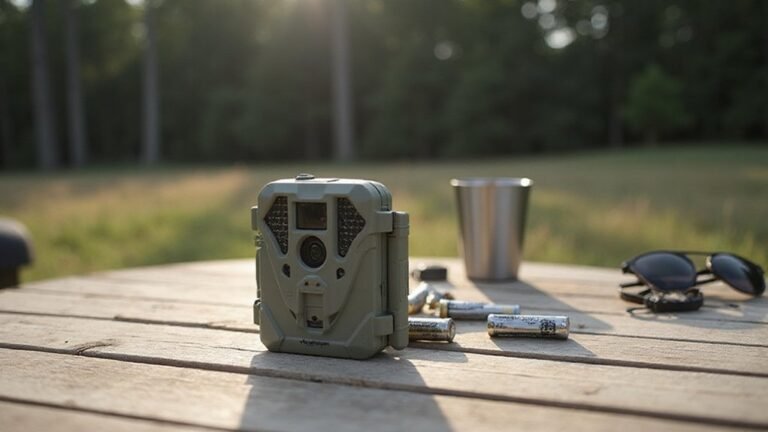
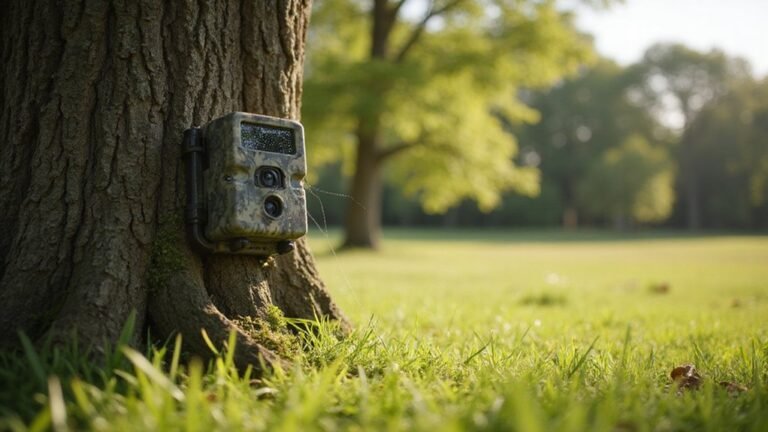
The amount you should spend on a night vision camera depends heavily on your intended use. For casual backyard viewing, budgets around $30 to $100 can provide decent results, but these models often have limited range and sensitivity. If you’re focused on security or hunting, investing in a more capable device—typically $200 to $500—will ensure better low-light performance, durability, and image quality. For professional use, the cost is driven by the tube, which is the most expensive component, whether you choose Photonis, Elbit, or L3 Harris. Cheaper models tend to sacrifice sensor quality, which directly affects night vision clarity and range. Weather resistance becomes crucial for outdoor use, and higher-end models usually feature rugged construction that withstands harsh elements. For example, ensuring a proper game camera setup is essential for maximizing the performance of any outdoor model. Match your budget to your needs: spending below the necessary level means poor performance and limited use, while overspending might offer features you won’t utilize. Thermal imaging detects heat signatures rather than ambient light, making it a viable alternative for total darkness scenarios where traditional night vision fails. Unlike dedicated thermal cameras, iPhones do not include a built-in thermal sensor and require an external attachment for this capability.
Budget vs. Premium Night Vision Cameras: What $100, $300, and $1,000 Buy You
Under $100, you get basic digital night vision with 1080p claims, but the quality can be inconsistent, especially based on recent product reviews. These models typically include bundled accessories like mounts or chargers but lack advanced sensor technology. They are suited for casual use or quick checks rather than reliable, detailed imaging in low light. Beginners should note that thermal scopes in this price range often lack LRF integration and rely solely on digital zoom, limiting accurate target ranging. The image quality often does not meet the standards of more expensive systems, and the infrared illumination may be weak or limited in range. For example, the Night Thunder X3 from Vizio Gear includes a sleek packaging and bundled SD card, but its shaky handling and 4K claim still reflect the limitations of this price tier. Unlike a ballistic helmet designed for impact protection, these cameras prioritize affordability over durability in harsh conditions. In fact, the driving cost behind such low-end units is the use of mass-produced CMOS sensors rather than the specialized image intensifier tubes found in pricier gear.
For $300, you move into a system-level security camera with better imaging and brand support. These devices usually feature stronger sensors, improved infrared illumination, and more reliable performance. They’re suitable for perimeter monitoring or basic night surveillance but still don’t reach premium quality or advanced features. At this price, you’re paying for a more dependable product, but it’s still not comparable to high-end night vision gear used by enthusiasts or professionals.
At the $1,000 mark, you’re not getting top-tier Gen 2 or Gen 3 monoculars, which typically start above $1,500. Instead, the budget generally covers used or partially assembled gear or mounting accessories. True high-end night vision relies on advanced sensors that are significantly more expensive, so your $1,000 ceiling places you squarely in the midrange. If you seek the best possible image clarity, range, and technology, expect to spend considerably more. This is why the price gap exists: advanced sensor technology alone can account for the majority of a premium unit’s retail cost.
Which Features Jack Up Night Vision Camera Prices?
Sensor technology is the biggest factor driving night vision camera prices. Models with larger sensors, like 1/2-inch sensors, cost more but capture more light, resulting in clearer images in low-light conditions. Smaller sensors, such as 1/3-inch, are cheaper but produce less sharp images. Higher-resolution cameras generally have better detail and don’t rely solely on infrared illumination, which also adds to the cost. For example, 4K UHD models like Lorx deliver far more detailed footage than standard 1080p HD options, justifying their higher price point. Additionally, starlight sensors are a key upgrade that significantly improves low-light performance without needing visible infrared light. For DIY builders, integrating a thermal imaging sensor into a drone platform can also dramatically raise the cost by enabling heat signature detection. Choosing a model with high-quality optics can further improve image clarity but adds to the expense.
Infrared enhancements significantly influence pricing as well. More powerful infrared LEDs can extend your night vision range beyond 100 feet, but they come with higher costs. Better optics and stronger IR emitters also increase the price. Features like color night vision and starlight sensors require advanced imaging technology, which further raises the cost. Night vision capabilities extend up to 55 feet for clear low-light images, with some systems employing color night vision and IR LEDs for superior clarity.
Smart features such as artificial intelligence detection and motion alerts are additional cost factors. Durable weatherproof housings and reputable brand names also add to the overall price. Ultimately, superior sensor quality and infrared performance are the main drivers of higher prices in night vision cameras.
Top 3 Night Vision Cameras Under $500 Right Now
The top three night vision cameras under $500 all offer excellent value, but the best overall choice is the NVG50, priced around $500. It excels in low-light conditions thanks to its advanced Infrared technology, providing clearer images than most competitors in this price range. Its compact design makes it easy to handle and mount, and it offers flexible storage options via removable media, allowing you to easily transfer footage. If you’re looking ahead to building a binocular setup, the NVG30 at approximately $400 is a smart choice. It also uses strong Infrared technology to ensure solid clarity in low-light environments, making it suitable for future upgrades. For a camera-style device that balances affordability with effective low-light performance, the Sionyx Aurora, priced between $350 and $500, hits the sweet spot. It delivers usable night vision without the hefty price tag, making it ideal for casual use or entry-level surveillance. The Night Fox Prowl 2, at around $250, offers excellent value with a wider field of view and additional bonus lenses. Thermal detection works by sensing heat signatures rather than relying on ambient light, which these night vision models do not utilize. Unlike these models, some trail camera systems integrate solar panels to extend field operation without battery changes. For those seeking the clearest road shots, a night vision dash cam from these top picks can provide reliable recording quality.
Avoid These 3 Common Night Vision Camera Buying Mistakes
Infrared accuracy is crucial for clear night vision footage. If your camera’s infrared sensor isn’t capable of capturing true nighttime details, your footage will appear grainy and unrecognizable, regardless of resolution. Many buyers focus on 4K branding or extensive features, but overlook whether the infrared system genuinely functions well in darkness. Before purchasing, test the infrared performance—look for sensors specifically designed for low-light conditions and ensure the camera can identify objects at varying distances. Spotting distant figures or objects is key, and poor infrared accuracy can hinder that. Investing in a camera with reliable IR performance guarantees you’ll get usable footage in real nighttime scenarios, not just brightened daytime recordings. For serious scouting, compare how Tactacam and Reveal handle infrared detection range and image clarity in their low-light modes. A thermal imaging sensor can also help distinguish heat signatures from static background noise, which is a feature found on some high-end devices like the FLIR thermal smartphone attachments included in top camera phone reviews. When reviewing options, consider models that integrate long-range thermal tracking to better locate moving targets across open terrain.