How to Reset Your SPYPOINT Link Micro LTE Camera
If you’re trying to reset your SPYPOINT Link Micro LTE camera, you might be wondering where to start.
Resetting the camera can resolve issues or help you clear old settings, but it’s important to do it the right way.
In this guide, you’ll learn both the app-based and physical methods to restore your camera to its factory defaults.
Before Resetting Your SPYPOINT Link Micro LTE: 3 Prep Steps
To prepare before resetting your SPYPOINT Link Micro LTE, start by backing up all your photos, videos, and settings. A factory reset erases everything, so download your images from the app first. Note your preferred time zone, resolution, and trigger settings to make reconfiguration quicker later.
Next, ensure your batteries are fresh and installed correctly. Use new AA lithium or alkaline batteries from the same pack to avoid power issues—never use rechargeable AAs, as their lower voltage can cause malfunctions. Confirm each battery is oriented properly and that the tray is securely seated. Power on the camera before initiating the reset process to verify it operates normally with the new batteries. For a more advanced build, you might consider integrating a thermal camera module to detect heat signatures instead of visible light.
Finally, check your camera placement. Make sure it has a strong cellular signal at its intended location before deploying it in the field. For comparison, night vision gear like the PVS-14 and PVS-15 also require careful power and placement decisions for optimal performance. Format a SD card between 2GB and 32GB with a Class 10 rating to prevent data corruption. If you wish to keep existing files, remove the SD card before performing the reset. Thermal imaging is another option that detects heat signatures rather than ambient light, offering different advantages in total darkness.

Compatible with trail Camera LM2, Link-Micro-S-LTE, and Cell-Link. Please note: Make sure to change the battery setting in the app to the battery pack. Once the camera updates and syncs it will work fine. The low battery will show if you don't change that setting and allow the camera to update

Wide Compatibility:Our LIT-10 battery is designed for seamless use with Spy point cellular trail cameras including,Link-Micro-LTE,Link-Micro-LTE-V,LM2, Micro-LTE,LTE-V,Link-Micro,Link-Micro-S-LTE,Cell-link,Cell-link-10,ensuring you have the right power source for all your hunting needs.

Reliable Performance: Battery Type: lithium | Voltage:3.85V | Capacity: 10500mAh | Quantity: 2pcs | using high-density materials to accumulate super energy that extends battery life over traditional AA usage
How to Reset Your SPYPOINT Link Micro LTE via the App
You can reset your SPYPOINT Link Micro LTE directly through the app without physically accessing the camera. First, open the SPYPOINT app and locate your camera in the device list. Then, go to its settings or device-management section. Select the reset option to restore the camera to its original state, wiping all custom configurations—similar to a factory reset. After completing the reset, you will need to reconfigure the camera from scratch using the “ACTIVATE A DEVICE” process specifically for LINK-MICRO-S-LTE.
Before initiating the reset, performing a firmware update can improve stability and help prevent issues. Also, ensure your batteries are fresh or fully charged to provide enough power during the process. Since the app-based reset is a software procedure, once it’s finished, simply reconnect your camera to your account and adjust your settings again. This procedure can resolve hardware or firmware problems that often cause false battery readings and signal detection failures.
App Reset Not Working? Try the Physical Method
If the app-based reset fails to respond, you’ll need to perform a physical reset. First, turn the camera off, then remove the batteries and SD card. Find the small recessed reset button—use a pin or paperclip to press it. Hold the button for 10 to 15 seconds, or until you see a specific LED sequence that confirms the factory reset. Keep in mind, different firmware versions may require slightly longer or shorter hold times, so consult your manual for precise instructions. Low battery levels may cause reset failure or damage, so ensure the battery is adequately charged before attempting this process. You can also use night vision goggles as a reference for understanding how optical devices handle low-light conditions. Additionally, weak signal strength can prevent the reset from taking effect, as the camera may not properly register the command.
Once the reset is complete, reinstall the batteries and a freshly formatted SD card. This process will erase all settings, so back up any important data beforehand. If the reset doesn’t work, double-check the location of the reset button and ensure the camera is powered on during the process. A proper reset can often fix connectivity issues, especially if signals are weak or unstable. If it still doesn’t respond, the problem might lie with the batteries or SD card format, rather than the reset process itself.

UNBEATABLE VALUE: Get premium cellular capabilities at an unbeatable price with the SPYPOINT FLEX-M Cellular Trail Camera, offering you the best value in cellular trail cameras and hunting equipment. Setup is a breeze with mobile activation and on-camera buttons for easy formatting of the 𝗺𝗶𝗰𝗿𝗼𝗦𝗗 𝗰𝗮𝗿𝗱 (𝗡𝗢𝗧 𝗜𝗡𝗖𝗟𝗨𝗗𝗘𝗗) and test photo capture. Plus, ensure continuous operation with extended autonomy by pairing with our compatible solar panels (sold separately).
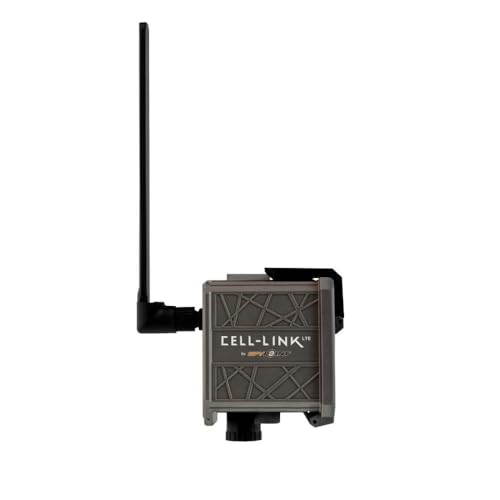
UNIVERSAL COMPATIBILITY: SPYPOINT CELL-LINK Universal Hunting & Trail Cameras Adapter Connect MOST trail camera to the CELL-LINK to turn it into a trail camera cellular device. Not just SPYPOINT cameras, but cameras from MOST manufacturer as long as the trail camera uses a standard SD card to store images, produces JPEG images and has 20 megapixels or less

VALUE WITHOUT COMPROMISE – The FLEX-M2 cellular trail camera proves you don’t have to pay top dollar to get top performance. It’s easy to use, customizable, reliable and comes with features that punch well above its price tag.
Set Up Your Camera Again After the Reset
To set up your camera again after a reset, start with AA batteries and run at least one server sync before switching to the LIT-10 battery pack. In the app, change the battery type setting to LIT-10 and set the transfer frequency to each detection to ensure prompt updates. Position the camera thoughtfully to maintain a strong signal and good detection coverage. For maximum low-light performance, consider how military night vision compares to your camera’s infrared capabilities. Wait for the status lights to turn green then orange, indicating a successful sync. Before making further adjustments, check the app’s photos tab for test images to verify everything is working correctly. A thermal camera app cannot replicate true thermal imaging hardware, but thermal camera apps can use your phone’s sensors for basic heat detection. To ensure best results, check the detection coverage area for any heat sources that might cause false triggers.

【Battery Capacity】LIT-10 Pro battery has a capacity 10.5Ah 3.85V /40.42Wh designed for SPYPOINT Cellular Hunting Trail Cameras Link-Micro Cell-Link LM2 Link-Micro-S-LTE series.Upgrade larger battery capacity means the camera can operate in the field for longer periods, reducing the frequency of battery replacements and recharges. This minimizes maintenance hassle and ensures continuous operation, allowing you to focus on capturing more exciting moments without missing any important shots

Perfectly Compatible: LIT-10 PRO Lithium Rechargeable Battery Perfectly Compatible with SPYPOINT Cellular Trail Camera LM2,Link-Micro,Link-Micro-LTE Link-Micro-S-LTE,Link-Micro-LTE-V Series and so on.
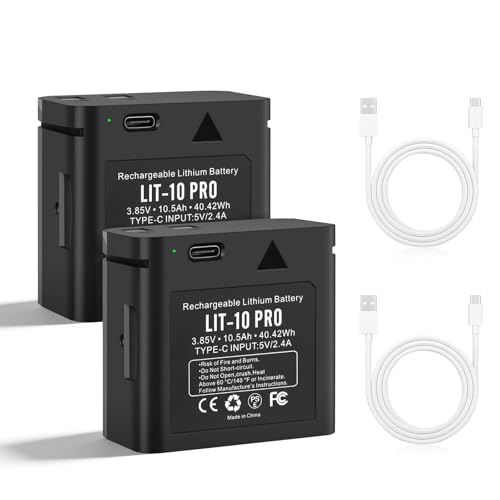
【High-Capacity Powerhouse】Voltage: 3.85V. Capacity: 40.42Wh 10500mAh. Equipped with two 10500mAh batteries, this pack delivers extended power for hunting cameras, reducing the need for frequent recharging. Its robust capacity effectively doubles your camera’s runtime, ensuring uninterrupted field operation during long expeditions.
Fix Common Post-Reset Problems
To fix common post-reset problems, start with battery troubleshooting. Remove and reinstall the battery pack, ensuring connection pins are clean and secure. If the status light flashes red quickly, replace old cells with fresh AA lithium or alkaline batteries. Next, examine the SD card—format it using a standard format rather than Quick format to clear any card-related glitches that may interfere with operation. If photos still don’t transmit properly, check the signal strength and reposition the antenna to a better location. Applying the latest firmware update can resolve persistent malfunctions; download and install it following the manufacturer’s instructions. After updating, reboot the device to ensure the new firmware takes effect. Finally, verify the battery percentage and signal status within the app’s Status section to confirm everything is functioning correctly. These targeted checks typically resolve most issues encountered after a reset without further hassle. Unlike human eyes, night vision cameras use infrared illumination to capture images in darkness, but your camera’s SD card and firmware issues are unrelated to this optical phenomenon. For reliable data transfer, using a top-rated SD card reader can help ensure your files are properly read and formatted. Understanding how infrared illumination works can clarify why low-light performance depends on external factors rather than internal storage or software glitches.
When Should You Reset Your SPYPOINT Link Micro LTE Camera?
You should reset your SPYPOINT Link Micro LTE camera only after basic troubleshooting steps fail to resolve issues. Start by turning the camera off and on, then remove and reinsert the battery pack to rule out simple power or connection problems. Check the operating periods in the app and verify the battery charge level, since poor battery management can mimic a malfunction. If the camera still isn’t sending photos or exhibits persistent glitches, perform a reset to clear configuration corruption. Resetting is also necessary after applying firmware updates or when facing setup failures that cannot be fixed through other means. Avoid resetting for signal issues or schedule problems, as those require different fixes. After performing a reset, you will need to manually rebuild settings in the app and conduct a test-photo verification to ensure everything is functioning correctly. For comparison, DJI thermal drones offer integrated thermal imaging that does not rely on LTE resets for image transmission. A similar setup process can be found in the Tactacam Reveal guide, which walks through the necessary steps and tools for initial configuration. Accessing the correct time zone settings in the app is critical after a reset to ensure accurate photo timestamps.