Why Are Night Vision Goggles Called “NODs”?
Ever wonder why those night vision gadgets are called “NODs”? It’s a quick, military slang shortcut that covers different types of gear used for seeing in the dark.
Knowing what sets NODs apart from other equipment helps you understand their role in night operations.
Let me break down the origins and distinctions so you know exactly what you’re dealing with.
What Does “NODs” Actually Stand For?
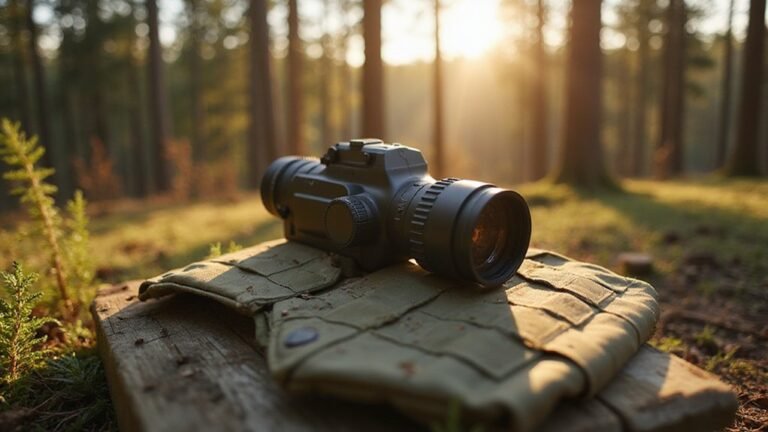
NODs is an acronym with multiple expansions, primarily “Night Optical Devices” and “Night Observation Devices.” Neither version is strictly standardized, so the term functions more as a broad label than a precise technical category. Originally, NODs emerged from military shorthand, where they served as a catch-all for various night-vision equipment. This includes goggles, monoculars, scopes, and systems mounted on vehicles. It’s important to recognize that NODs aren’t just interchangeable with goggles; rather, they are an umbrella term that covers the entire spectrum of night-vision gear. Over time, the phrase has evolved from formal jargon into casual slang, leading people to refer to any night-vision device simply as a “NOD.” For those comparing gear, it is essential to know that NODs typically amplify ambient light, whereas thermal imaging detects heat signatures, making each suited for different tactical or recreational scenarios. This flexibility highlights how the term has transitioned from a strict military abbreviation to a common, everyday descriptor for various night vision technologies. When mounting such gear on a rifle, a cantilever scope mount provides the necessary forward offset to maintain proper eye relief while keeping the device secure. Understanding how a game camera functions is critical for outdoor enthusiasts who rely on these devices for wildlife observation and security.

MiniAura is Completely Digital With Images That Will Appear in Black and White
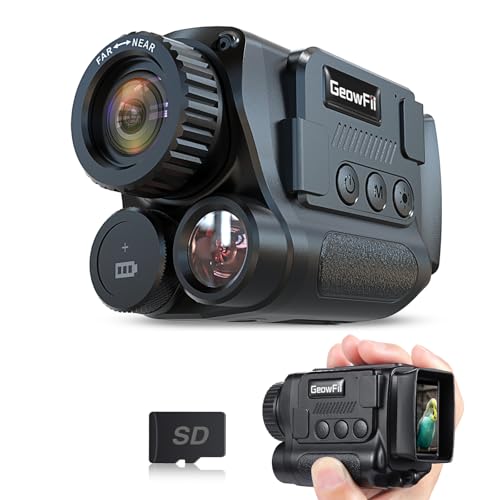
4K Upgraded & Practical—— GeowFiiTech Night Vision Monocular features a 4K version with a 25mm multi-coated lens, enhancing imaging for day and night use. With 4K video, 40MP photos, and essential functions, this monocular night vision meets outdoor needs effectively

【Dual IR System for All Day& Night Vision】 Equipped with high-performance 850nm dual IR illuminators , this upgraded night vision monocular delivers immersive full-color viewing in bright daylight and ultra-clear imaging in complete darkness. 9 levels IR adjustments ensure all-scene outdoor exploration, night monitoring and field observation regardless of light conditions.
Why the Military’s Slang for Night Vision Never Left
Once you understand what NODs stands for, the reason it has remained in use is straightforward: it’s a practical example of military slang that evolved into a lasting term. NODs simplifies “night optical devices,” making it quicker to say during high-stress situations where every second counts, such as in combat radio chatter. This brevity is essential in tense environments where long technical terms can slow down communication. However, the official acronym actually expands to “Night Observation Device,” emphasizing observation rather than optical components. Its utility extends beyond just speed; NODs became a broad umbrella term covering monoculars, scopes, and various night-optics gear. This flexibility helped embed it into military culture, training programs, and even civilian circles through veterans. For those using standalone trail cameras like the Tactacam Reveal, understanding cellular connectivity limits is crucial when planning remote deployments. Similarly, setting up gear like a Spypoint Flex M requires careful adjustment of settings to optimize its performance in low-light conditions. Building something like a thermal drone from scratch follows a similar principle of combining specialized gear under a practical, mission-focused label. When slang proves both practical and tied to identity, it tends to stick around, especially in institutions like the military where efficiency and tradition go hand in hand.
NODs vs. NVGs: What’s the Real Difference?
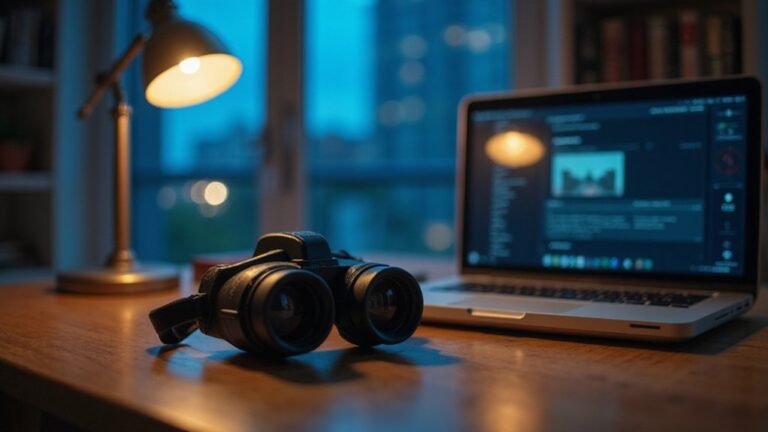
NODs, or night optical devices, encompass a broad range of tools used for night vision—monoculars, weapon sights, clip-ons, and more. NVGs, or night vision goggles, are a specific type of NOD designed to be worn on your head for hands-free operation. While the terms are often used interchangeably, understanding their distinction helps you better discuss and select the right gear for your needs. NODs serve as an umbrella category covering all devices that enhance visibility in low-light conditions, whereas NVGs are a subset focused on full-head mounted devices that provide stereoscopic night vision.
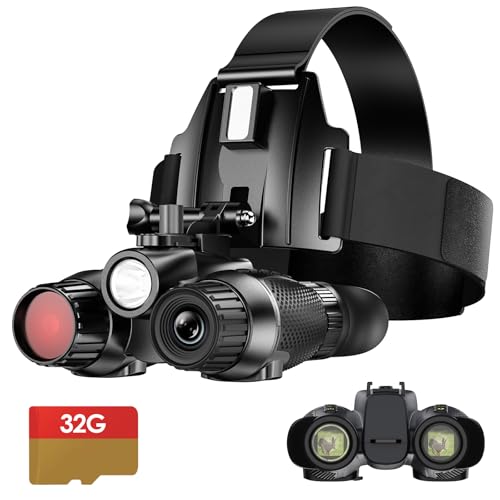
【3D Naked-Eye Effect】Enjoy clear and detailed 3D virtual reality night vision with dual-screen, dual-eyepiece naked-eye 3D viewing. Capture stunning 36MP photos and ultra-high-definition videos.

WIDE FIELD OF VIEW – 1× magnification and 40° wide-angle field of view for close-range night awareness up to 90yd, plus 2× digital zoom. Green filter option included for your preferred viewing experience. Ideal for airsoft, tactical use and camping.

ADVANCED 850NM STEALTH INFRARED & 8X DIGITAL ZOOM: Our night‑vision goggles adopt upgraded 850nm invisible IR illuminator, which will not spook wildlife; with powerful 8X digital zoom and high‑sensitive image sensor, it delivers sharp‑detailed images up to 1312FT even in total darkness. You can zoom in to identify far‑away targets effortlessly for outdoor camping, farm & estate nighttime security, wilderness wildlife observation and night patrol.
Why the Term “NODs” Covers So Many Different Devices
The term “NODs” covers a wide range of devices because of the diverse technologies involved. It includes image intensification units, thermal imaging gear, and both passive and active systems. You’ll find monoculars, binoculars, and vehicle-mounted surveillance equipment all under this umbrella term. As new observation, aiming, and detection devices have been developed, the category has expanded. This broad scope means that any device designed to help you see in low or no light—even if it uses different internal technology—falls under the NODs label. For drivers specifically, night vision goggles for driving can enhance safety by improving visibility in dark conditions. When choosing such equipment, users often weigh performance and cost as key factors, much like comparing high-end and budget-friendly trail cameras. Similarly, a hidden camera with audio is designed to capture clear visual and sound data in the dark, reflecting the same priority on integrated performance and night vision capability.
Should You Say “NODs” or “NVGs” in 2025?
If you are choosing the terminology in 2025, “NVGs” is generally the more precise and widely recognized term for night vision goggles. It refers specifically to the actual device—head-mounted, hands-free gear used for night vision. Use “NVGs” in technical writing, product descriptions, or formal documentation when clarity and accuracy are important.
“NODs” is a broader slang term originating from military jargon, originally standing for “Night Optical Devices” but now often used as shorthand for any night-vision device, including monoculars and scopes. It can feel more natural in casual or tactical contexts where a broader reference is acceptable or preferred.
In most civilian or mainstream writing, “NVGs” tends to be the cleaner, SEO-friendly choice. However, if your audience is military or tactical, or if you’re discussing a range of gear beyond goggles, “NODs” might better match the tone and familiarity. Define both terms once to establish clarity, then choose based on your audience and scope. Unlike standard goggles, many NODs rely on infrared illuminators to project invisible light for improved image clarity in total darkness.