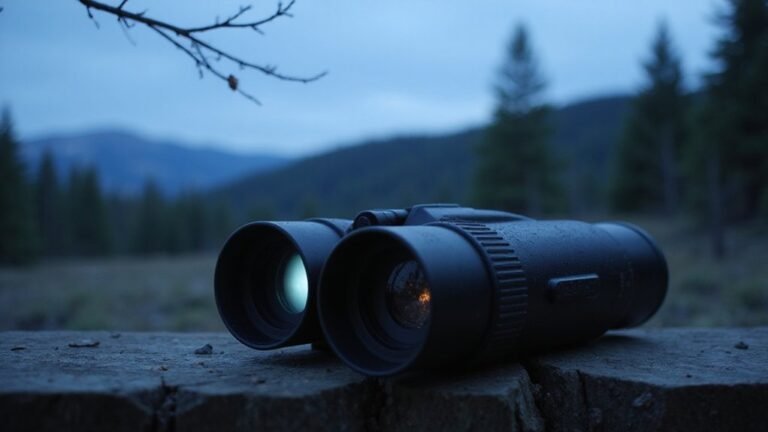
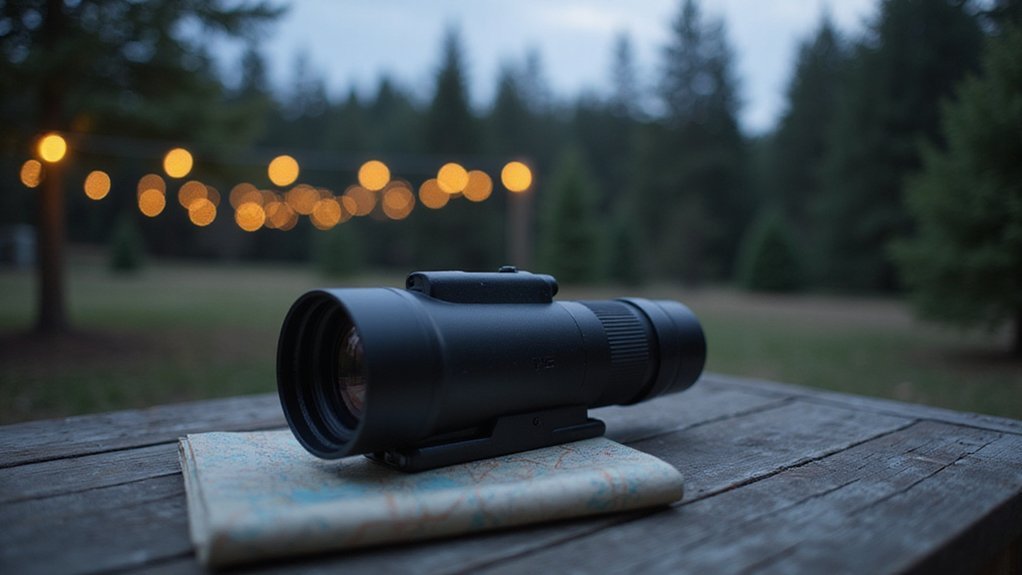
Monocular vs. Binocular Night Vision: The Complete Guide
Not sure whether a monocular or binocular night vision device is right for you? The key difference comes down to how you prioritize depth perception, weight, and cost.
Monoculars are lighter and more affordable but may cause eye strain over time.
While binoculars offer better 3D clarity at a higher price and weight.
Stay with me to see how each stacks up in real-world use.
Why One Eye vs. Two Eyes Changes Everything
Using two eyes instead of one increases your sensitivity to light by approximately 40.5 percent in low-light conditions. This difference comes from binocular summation, where your brain combines signals from both eyes to enhance perception. As a result, you can detect faint details that might be invisible to a single eye, improving your ability to see clearly in the dark. This binocular convergence also makes your movement perception more reliable, as dual input allows your brain to process motion more naturally and confidently. Without this advantage, your light-gathering capacity is limited, and your brain has to work harder to interpret visual cues through just one channel. For optimal low-light sensitivity, having two eyes offers a significant, measurable boost over monocular vision. This binocular advantage also enhances depth perception by allowing the brain to process night vision cues from both eyes, enabling more accurate judgment of distance and spatial relationships in low-light environments. Unlike thermal imaging, which detects heat signatures, night vision amplifies existing ambient light to create a visible image, making night vision technology the better choice for preserving natural depth perception in complete darkness. When setting up a night vision device for prolonged use, a DIY trail camera mount can provide the stability needed to maximize the benefits of binocular low-light performance. For capturing these low-light scenes on video, Sony camcorders with night vision are top-rated for their superior image quality and performance.
Night Vision Depth Perception: What Your Eyes Actually See
Your eyes now rely primarily on monocular cues like motion parallax and occlusion to judge depth. You observe that objects moving faster across your field of view seem closer, while shapes overlapping or covering each other help estimate relative distances. However, your perception isn’t as precise as it would be in daylight. Depth estimation becomes more approximate, relying more on head movement and scene structure rather than fine binocular stereo vision. Your brain adapts to these changes, but you are seeing depth differently than with normal vision. This is why users often refer to their devices as NODs, a military acronym for Night Observation Devices. Unlike thermal cameras, which can detect temperature differences from a fart, night vision relies on light amplification rather than heat signatures. A cantilever scope mount shifts the optic forward to improve eye relief and balance when using such devices.
Which Device Causes Less Eye Strain in Long Sessions?
Binoculars cause significantly less eye strain during long viewing sessions compared to monoculars. This is because both eyes share the visual workload, creating a more natural and comfortable viewing experience. When using binoculars, your brain receives a balanced image from each eye, maintaining accurate color perception and reducing the need for the eyes to adjust constantly. Monoculars, on the other hand, can lead to accommodation-vergence conflict, where one eye perceives a bright image while the other perceives a dark one. This mismatch forces your brain to work harder to reconcile the difference, which can lead to eye fatigue within just 20 minutes of continuous use. For extended observation periods, binoculars are the better choice because they distribute the visual effort evenly, lowering the risk of headaches and fatigue. You will also notice increased stability since both eyes contribute to the view, making long-duration sessions less tiring overall. While monoculars are handy for quick scans, their design makes them less suitable for prolonged use, as they tend to cause discomfort after a short time. Regulatory bans on certain night vision technologies can also shape what devices are legally available, impacting user options for long-session comfort. When comparing thermal optics, Pulsar vs. AGM models often include similar ergonomic considerations for reducing strain during long sessions. To maintain optimal performance during these sessions, resetting your device to factory defaults can clear any software glitches that might otherwise exacerbate display flicker or focus lag.
Monocular Night Vision: When a Single Tube Is Enough
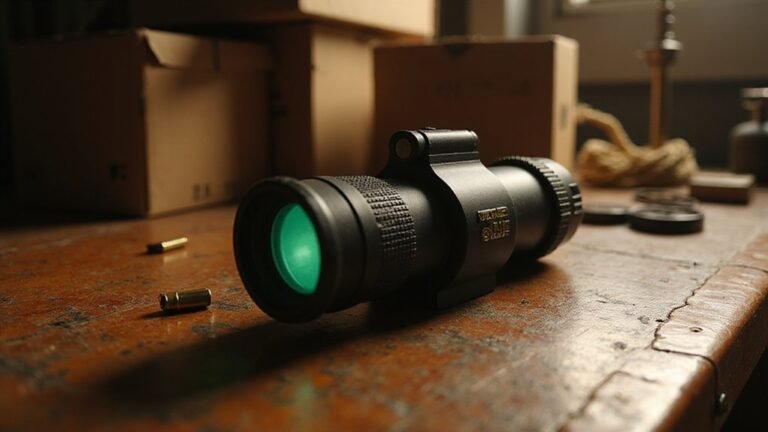
A monocular is often the more practical choice when a single tube is enough. It tends to be about half the cost of comparable binoculars and is lighter, reducing neck fatigue on long treks. With only one eye exposed, you maintain natural peripheral vision, which helps navigate mixed-light environments and stay aware of your surroundings. Additionally, a monocular lacks built-in redundancy, so relying on a single device can be a limitation if it fails. For those inclined toward customization, the simplified optical path can be integrated into a DIY thermal scope build with readily available core modules and display kits. These same modules often share components with thermal drone payloads, allowing builders to repurpose their skills across platforms.
The simpler design results in faster setup and operation, with fewer controls to manage. You also gain versatility through customization options like helmet mounts or compatibility with rifle scopes, making it suitable for various roles such as hunting, security, or reconnaissance. Despite its simplicity, a monocular provides crisp, clear images for one eye, ensuring reliable performance without sacrificing clarity.

CLEARLY IN 100% DARKNESS WITH 7 INFRARED ILLUMINATION LEVELS: Upgraded YUANZIMOO night vision monocular features 850nm IR illuminator, 1.3MP FHD CMOS sensor and 7 gears IR levels adjustment. Brings you a wonderful experience both daytime and 100% darkness in your wild explorations

Day or Night Viewing - Capture video in both daytime and nighttime modes. Store files directly to a microSD card for easy viewing and sharing.

UNMATCHED CLARITY: With a high IR resolution of 256x192 and a smooth 50Hz refresh rate, the thermal monocular provides vivid thermal images, capturing every detail of your surroundings with precision.
Binocular Night Vision: Where Dual Tubes Outperform
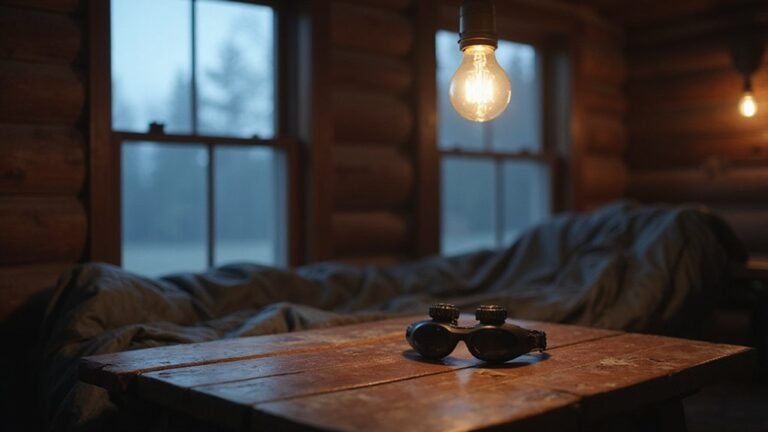
Binocular night vision provides clear advantages over monocular systems, especially in terms of depth perception, situational awareness, and overall comfort during movement. With two tubes, each eye receives its own image, and your brain combines them to create true three-dimensional vision. This allows you to judge distances, obstacle spacing, and elevation changes more naturally without relying on the brain’s interpretation of monocular cues, which can be less accurate. Understanding the types of game cameras helps clarify why dual-tube systems are preferred for dynamic environments.
Your situational awareness improves significantly because you process two intensified images simultaneously, similar to how you see in daylight. Moving from open terrain to confined indoor spaces becomes quicker and more intuitive. Additionally, using binoculars reduces visual strain during extended use since both eyes are engaged equally. For military operators, these systems are often rated for rugged combat environments, ensuring durability under extreme conditions. This helps prevent fatigue and discomfort. When walking, running, or driving, dual-tube night vision offers smoother navigation by helping you avoid hesitations around barriers or uneven terrain. Moreover, if one tube encounters a malfunction, the other still provides partial night vision, ensuring you remain operational in challenging conditions. Regularly clearing the SD card on tactical cameras ensures stable storage for long-duration night vision recordings.

940nm Invisible IR & Long-Range Viewing: Vtiisamao night vision goggles feature 940nm infrared illumination with no visible red glow for more discreet nighttime observation. View subjects in complete darkness at distances up to 1,968 ft, ideal for wildlife observation, hunting, camping, farm monitoring, and property monitoring.

NIGHT VISION GOGGLES FOR ADULTS 4K – Experience clear digital night vision with a 4K imaging system and large 4.5" HD screen. Designed for nighttime observation, outdoor exploration, camping, hunting, and wildlife viewing.
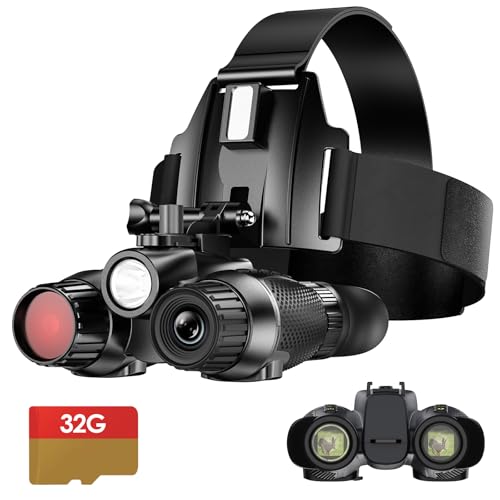
【3D Naked-Eye Effect】Enjoy clear and detailed 3D virtual reality night vision with dual-screen, dual-eyepiece naked-eye 3D viewing. Capture stunning 36MP photos and ultra-high-definition videos.
Night Vision Specs: Weight, Battery, and Size Compared
Monocular night vision specs are lighter and more portable than binoculars. A typical monocular like the PVS-14 weighs around 10 to 16 ounces, making it small enough to fit easily in a jacket pocket. This lightweight design allows for quick one-handed operation, ideal for mobile patrols or situations where speed matters. In contrast, binoculars weigh between 20 and 30 ounces, adding bulk and requiring a counterweight if used with a helmet. Their dual tubes also drain batteries faster, often necessitating a battery swap every evening. For example, the core image intensification technology amplifies ambient light to create a visible image, a process central to how all night vision devices function. Understanding this technology can help you decide if building a DIY thermal camera enhances your low-light capabilities. To get the most from your device, a proper activation process ensures the unit is ready for field use.
While binoculars offer steadier and clearer vision due to their dual optics, they compromise on portability and can be less comfortable for long periods of use. Monoculars excel in quick deployment and mobility but may lack the stability and ergonomic comfort of binoculars during extended sessions. Ultimately, you trade off lighter, easier-to-carry gear for more stability and visual clarity with heavier equipment.
Night Vision Cost: Is the Binocular Markup Worth It?
The markup for binocular night vision isn’t just cosmetic; it’s a matter of structural cost. You’re paying for a second image‑intensifier tube, a second eyepiece, and more complex housing. As a result, the price often doubles compared to monocular options. Entry-level digital monoculars usually cost between $400 and $1,600, while similar binoculars range from $1,000 to $3,200. Analog versions are even more expensive, jumping from $2,000–$4,000 for monoculars to $4,000–$8,500 for binoculars. Whether the extra expense is worth it depends on what you prioritize. Monoculars provide solid performance for occasional use and are easier on budgets, allowing you to upgrade later. Binoculars excel when user comfort matters—two-eye viewing minimizes fatigue during extended sessions and enhances depth perception, making long periods of observation more comfortable and immersive. For high-end systems like the PVS-15 and PVS-31, structural cost drives an even steeper premium for professional-grade durability. To save money on these systems, shoppers can look for refurbished units or seasonal sales from reputable dealers. Military-grade options also incorporate thermal imaging sensors used in combat scopes, which further increase their cost but offer unmatched detection in total darkness. If your night-time scanning is casual or infrequent, saving money makes sense. But if you plan to spend hours glassing, investing in binoculars offers tangible comfort and clarity you will notice every night.

Advanced Night Vision Imaging Technology:Equipped with an 850nm infrared illuminator and Starlight CMOS sensor, these goggles deliver full-color visibility in low-light conditions and 7 adjustable IR levels for clear observation up to 2,000 feet (610 meters) in total darkness that ensures durability for nighttime adventures

UPGRADED HIGH-POWER BINOCULARS - These premium binoculars feature a high-magnification 20x zoom eyepiece and offer a 168-yard field of view at 1000 yards. This allows you to observe and focus on intricate details of distant targets up to 1000 yards away, delivering exceptionally broad and clear long-distance vision. Ideal for adults engaged in bird watching, hunting, camping, climbing, hiking, safari, travel, opera, concerts, sports events, and stargazing. They are essential gear for camping, hunting, travel, and cruises.

WiFi App Live Viewing and Sharing — Connect these WiFi night vision goggles directly to your smartphone to view live footage, take photos, record videos, and download saved files through the app. Photos and videos can be stored locally on the device/microSD card and your phone, with no cloud upload or subscription required for file transfer, helping keep your files on your own devices. Ideal for nighttime animal viewing, family camping, hiking, backyard animal watching, and nature learning. A practical back-to-school gift for teens and a thoughtful outdoor gift for dads, husbands, campers, and nature lovers.
Helmet-Mounted vs. Handheld: How Form Factor Shifts the Choice
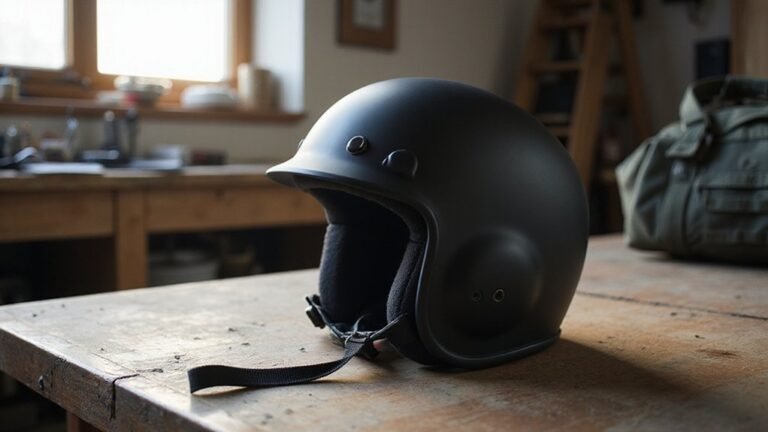
Choosing between helmet-mounted and handheld night vision devices depends on your operational needs and comfort preferences. Helmet-mounted systems keep your hands free, allowing for seamless weapon handling or climbing, but they entail additional hardware like a shroud and J-arm for proper mounting. A standard PVS-14 body weighs roughly 350 grams, and with mounting hardware added, the weight can exceed a pound. This extra load demands careful consideration of balance to prevent neck fatigue during extended use. Handheld units offer quick scanning and easy repositioning, making them ideal for dynamic observations or when quick sharing of the view is needed. However, holding a device for long periods can tire your arm and lead to fatigue. Many users prefer a versatile monocular that can switch modes, enabling both sustained mobility with helmet mounts and rapid observations when handheld. A full setup combining thermal with night vision offers a near-ultimate platform for night operations, significantly enhancing detection and situational awareness.

[HD Clarity for Outdoor Exploration]: Enhance your adventures with the GOYOJO head-mounted night vision monocular, perfect for activities like wildlife observation, camping, or nighttime exploration. Capture every moment in HD video and photos, ensuring sharp, high-quality visuals even in the dark. Whether you're tracking animals in the wild or navigating a campsite, this monocular delivers the detail you need.

New for 2026, the Nightfox Prowl 2 - Upgraded IMX662 60FPS sensor, detachable wide-angle and fisheye lenses, screen ON/OFF stowaway sensor, and a sharper LCD with lower latency and increased eye relief. Engineered for fast, clear target ID in high-pressure ops.
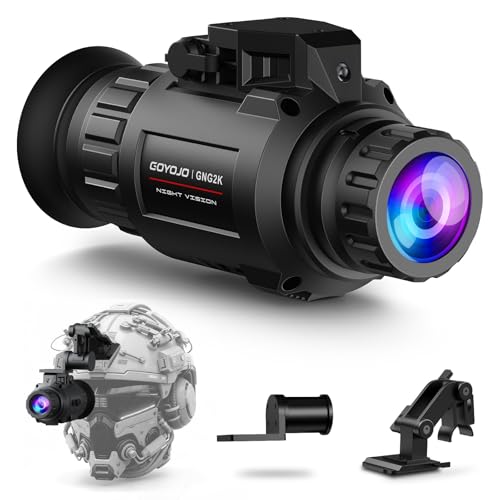
Ultra-Clear 2K Resolution – See What Others Can’t: GOYOJO GNG2K Night Vision Monocular delivers sharp 2688x1520 HD night vision with a smooth 60Hz refresh rate. Whether you’re securing your property, spotting coyotes at night, or navigating a pitch-dark trail, you’ll enjoy crystal-clear visuals without lag or blur — even in total darkness.
Hunting or Hiking? Match the Task to the Device
Hiking primarily benefits from using binoculars for navigation and obstacle detection. The advantage of binoculars lies in their dual-lens design, which offers better depth perception and spatial awareness—both crucial when reading trail features and assessing footing on uneven ground. Two-eye viewing reduces the need to refocus frequently, making trail reading easier and safer.
Monoculars, with only a single lens, are more compact and easier to pack, making them ideal for quick sightings or brief terrain checks. However, they do not provide the same spatial context as binoculars, which can be a drawback in dynamic terrain where depth perception is key. Choose binoculars when depth and detailed observation are your priorities, and opt for a monocular when portability and speed matter most.

【Life waterproof】-The fully sealed metal body is resistant to rain splashes (binoculars cannot be fully submerged in water), The powerful binoculars body is an aluminum alloy frame with non-slip armor made of high quality rubber, which ensures a comfortable grip and provides excellent resistance to impacts and drops. dust and debris. Perfect for outdoor activities such as bird watching, traveling, hunting and stargazing, as well as cruise ship rides.
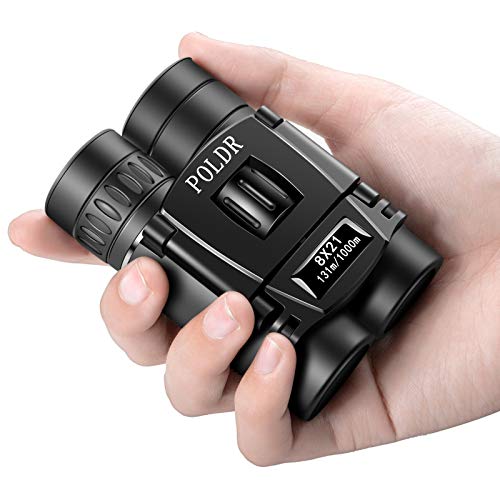
Lightweight Small Binoculars: You can throw them into your backpack each day without hesitation. The mini pocket binoculars are totally worth the tiny amount of weight they add to your pack

[BUSHNELL BLACKOUT CAMO 10x42 BINOCULARS] incorporation of IPX7 rating means these binoculars are ready to take on the nastiest conditions and the roughest elements. An all glass, fully multi-coated optical system combined with BAK-4 Prisms enhances contrast, resolution, and light transmission
Test Depth Perception Before You Commit
To accurately assess your depth perception, start with a random-dot stereotest. This test isolates true binocular vision by using patterns that eliminate monocular cues, revealing weak stereoacuity that contour tests often overlook. It’s important because a limited stereoacuity can impair your ability to judge depth accurately, especially in low-light conditions or with night-vision devices. While this test focuses on binocular cues, it is crucial to remember that monocular cues like linear perspective and relative size still influence your judgment when one eye is dominant or when using a single-channel device.
Test at multiple distances, up to 20 meters, since your binocular advantage diminishes as range increases. Depth perception may be solid at close range but weakens considerably at longer distances, which can greatly affect your night-vision performance. Incorporate moving targets into your testing—movement, direction, and visual masking can significantly alter your depth thresholds. Expect your binocular precision to outperform monocular vision by a factor ranging from 2.4 to 18 times depending on scene complexity and clutter.
Keep in mind that a single open-field test isn’t enough. Surrounding textures and background clutter can reduce your stereo advantage, making it look better than it truly is. Use this screening as a rough gauge of your depth perception capacity; it isn’t a formal diagnosis. If your results show limited stereoacuity, you will likely have difficulty with depth judgments in low-light scenarios and when using night-vision devices—regardless of their quality. Knowing your true stereo limits helps you make an informed choice before committing to equipment.