How Much Does a Trail Camera Cost?
Figuring out how much a trail camera costs can feel overwhelming with so many options available.
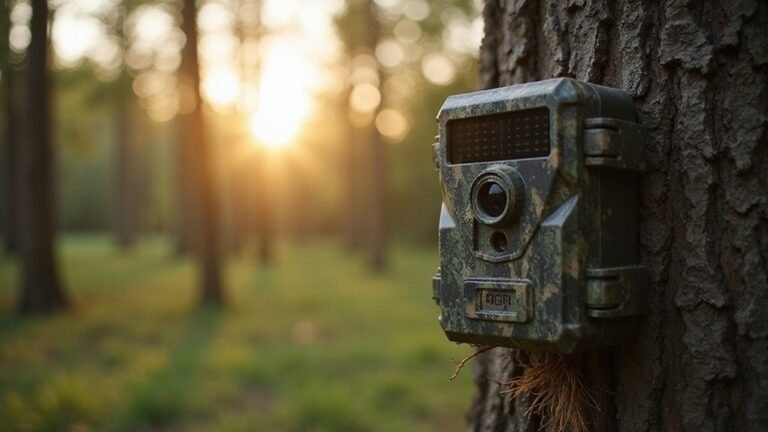
Prices typically range from around $40 for basic models to over $500 for high-end, feature-rich devices.
Your choice depends on what you need from the camera and your budget.
Keep reading for a clear rundown to help you find the right fit.
What Is the Average Price of a Trail Camera?
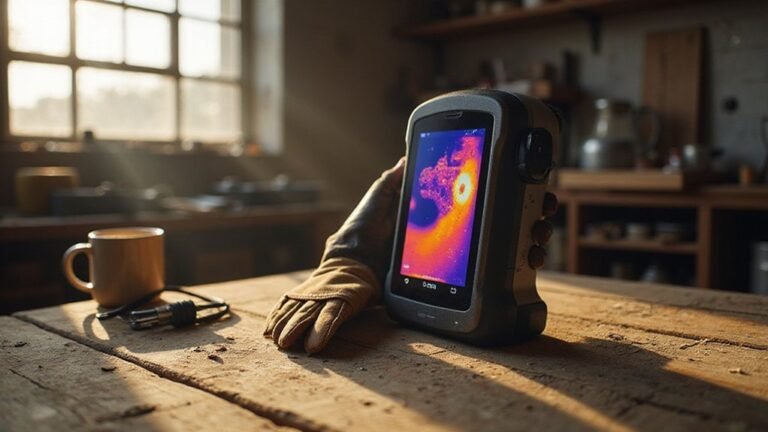
The average price of a trail camera is around $144. This price reflects a balance of features, durability, and image quality that most users seek. Generally, you’ll find models in the $100 to $200 range, which offer solid performance for most wildlife observation and hunting needs. Basic models under $50 are available and can suit those on a tight budget, but expect compromises in battery life and photo clarity. Moving into the mid-range around $164, you typically get better battery efficiency and larger storage capacity. For those interested in more advanced detection methods, integrating a thermal imaging module is a key step in specialized builds. Premium non-cellular units can cost $300 or more, often providing enhanced durability and longer-lasting power supplies. Cellular models, which allow remote image transmission, usually average about $335, but a standard non-cellular trail camera will usually meet the core needs of most hunters and wildlife enthusiasts effectively. When choosing gear for low-light conditions, it’s important to understand the key differences between night vision and thermal imaging technologies, as well as the distinct advantages of thermal imaging.
What Drives the Cost? Key Trail Camera Technologies Explained
The cost of a trail camera is primarily driven by the advanced technologies integrated into it. For example, trigger speed is a key factor; a response time of less than 0.1 seconds requires high-speed sensors and sophisticated firmware, both of which increase the overall price. Night vision features also significantly impact costs. No-glow 940nm infrared LEDs, which provide discreet and long-range illumination, tend to be more expensive than the more visible 850nm IR arrays. The image sensor itself is crucial—premium models often include 8K resolution or optimized high-megapixel sensors for sharper images, and these demand powerful, costly processors. Cellular connectivity options like LTE-M modules or 5G for live streaming can add to the expense. The choice of night hunting lights, similar to the considerations for coyote hunting, also influences specialized camera models designed for nocturnal wildlife monitoring. Lastly, durable housings rated at IP67 for water and dust resistance, along with power systems designed for multi-month battery life, all contribute to the final price tag. Selecting the right housing for a camera involves weighing its impact protection rating against its overall weight and cost, much like choosing between a bump and ballistic helmet.
Entry-Level Trail Cameras: What You Get for Under $50
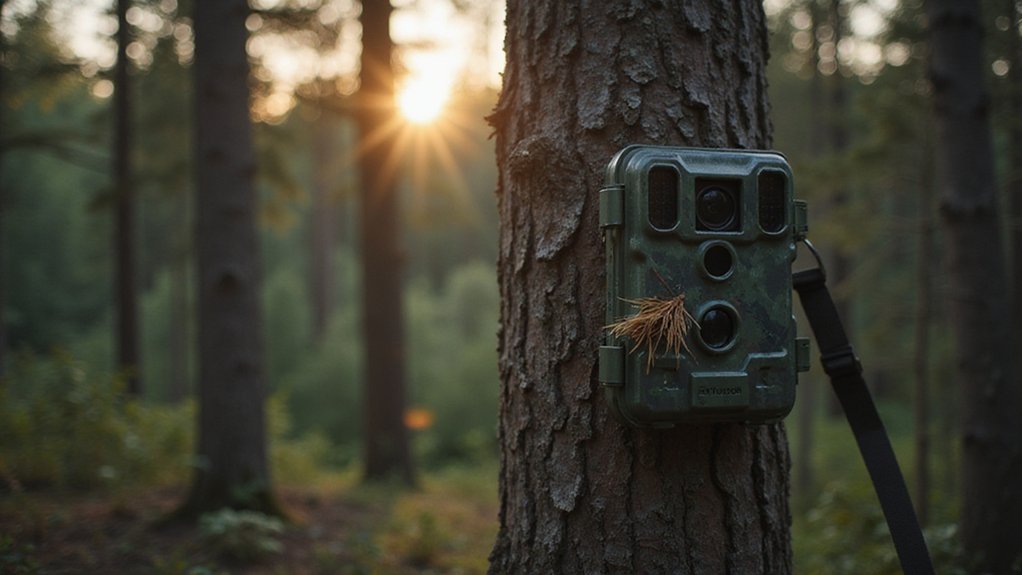
Under $50 trail cameras typically offer 12MP to 16MP photo resolution and video quality of 720p or 1080p. These models usually have a detection range of approximately 45 to 70 feet, making them suitable for basic monitoring needs. The trigger speed tends to be on the slower side, around 0.1 to 0.5 seconds, which can result in missed quick movements, though this can be mitigated somewhat by the mount’s precise cantilever setup. Standard features include motion activation, infrared night vision, and weatherproof housing to withstand outdoor conditions. Many models now include a small onboard LCD screen for previewing images and videos in the field without needing to remove the SD card. Most rely on AA batteries, providing three to six months of operation before needing replacement. The infrared night vision on these models may emit a faint red glow that can sometimes be visible in certain conditions. Keep in mind that these budget models may have a shorter flash range and lack cellular connectivity, limiting remote monitoring options. A smaller aperture can also impact low-light performance. Properly concealing your camera within its environment is crucial for capturing candid wildlife footage and preventing theft, so consider strategic camouflage techniques. Trusted options like the Tasco 12MP or WOSPORTS G100 are widely available at major retailers and online, fitting within this affordable price range.
Mid-Range Trail Cameras ($100-$200): Features Worth the Upgrade
Mid-range trail cameras priced between $100 and $200 provide notable upgrades in resolution, connectivity, and battery life. You can capture highly detailed wildlife images with 24-48MP resolution and 1080p video, ensuring that small movements and subtle behaviors are visible. Enhanced trigger speeds mean images are taken faster after motion detection, reducing missed shots. Better night vision features allow for clear images in low-light conditions, which is essential for nocturnal animals, often utilizing improved IR LED arrays. For property security, however, the continuous monitoring and advanced alert systems of dedicated security cameras often provide more reliable coverage.
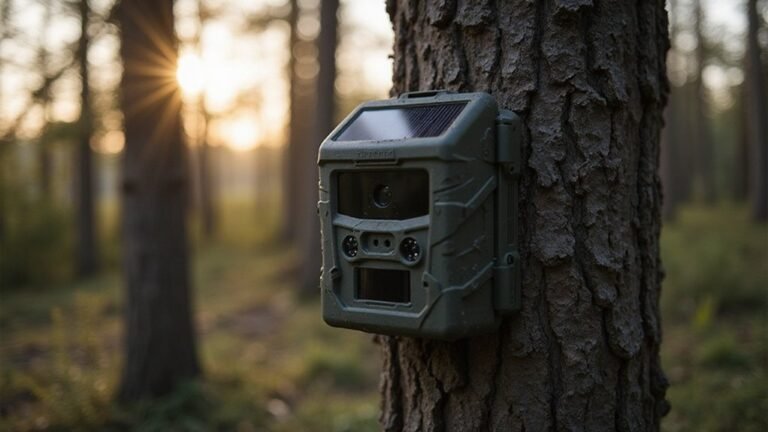
Connectivity options such as cellular or WiFi enable real-time alerts and automatic photo transmission directly to your phone or email. This makes monitoring remote areas easier without disturbing the wildlife. Properly mounting the camera is crucial for optimal detection and to avoid capturing false triggers from vegetation. For situations demanding the highest clarity and value in a portable optic, specialized tools are available. Battery life in these models can extend up to 12 months, and some include GPS mapping or solar power options, making them ideal for long-term projects. Overall, this price range delivers professional-grade detection and rugged durability, perfect for serious wildlife observation or research.
Are Premium Trail Cameras Over $500 Worth the Cost?
Premium trail cameras priced over $500 are often worth the cost if you require specialized features and maximum reliability. These models typically offer superior durability, enabling them to withstand harsh weather and challenging terrains. Their 4K resolution provides ultra-detailed images and videos, essential for serious wildlife photographers or security applications. Fast trigger speeds—often under a quarter of a second—ensure you don’t miss fleeting movements, saving time and frustration. High-end models also feature cellular connectivity for remote access and live streaming, enhancing real-time monitoring capabilities. Some premium models may utilize thermal imaging technology to detect animals based on heat signatures rather than visible light.
Additional benefits include extended battery life and large storage support, allowing you to monitor longer periods without frequent maintenance. The warranties provided often cover multiple years, offering peace of mind and reducing replacement costs over time. These cameras also generate fewer false triggers thanks to advanced detection technology, making your scouting or observations more efficient. When choosing a camera, it’s important to consider the different camera trigger types, such as motion, time-lapse, or hybrid, to match your specific scouting goals. Pairing these units with compatible accessories, such as high-capacity memory cards and external power options, can maximize their potential for demanding or professional use. While they come at a higher investment, their long-term reliability and performance can make them well worth the expense for dedicated enthusiasts or commercial operators. A significant factor in the final cost, similar to many advanced optics, is the quality and type of image intensifier tube used for low-light performance.
Cellular Trail Cameras: Understanding Data Plan Costs
Cellular trail camera data plans typically cost between $4 and $20 per month. The exact cost depends on your expected photo volume and features. For basic wildlife identification, a plan offering 250 photos costs around $5 monthly. Upgrading to 1,000 photos usually increases the price to about $10. If you want unlimited photos, expect to pay around $15 a month, which can be less if you choose an annual subscription. Adding video recording will raise your monthly bill because it consumes more data. To cut down on maintenance and battery replacements, some users opt for solar power, but it does not affect your data plan costs. When using multiple cameras, most multi-camera plans charge roughly $5 extra per camera each month. For night vision surveillance, you might also consider top night vision binoculars, which offer different advantages for low-light observation. Providers often use tiered pricing, so you should choose a plan that matches your anticipated usage—more photos or videos mean a higher tier. Comparing Stealth Cam and Tactacam models can help you understand which features impact your data usage the most. Some networks sell data-only SIM cards, but most camera manufacturers offer bundled plans that may provide better value tailored specifically for your camera’s needs. If you require aerial thermal imaging for tasks like wildlife monitoring, you should consider the specialized capabilities of a DJI thermal drone.
How Video, Audio, and Rugged Features Affect Price
Video resolution, audio capabilities, and rugged construction significantly influence the initial purchase price of a device. High-resolution video, such as 4K, often costs over $500, reflecting the advanced technology and processing power required. Faster frame rates for smoother playback also add to the expense. Enhanced audio features, like dual-channel recording or audio-triggered functions, further increase costs due to specialized components. Rugged features such as IP66 waterproofing or operational capability in sub-zero temperatures can double or triple the price, as they involve specialized materials and construction. For serious outdoor pursuits, investing in premium features ensures your gear performs reliably, just as selecting the best night vision goggles requires evaluating core performance metrics. Beyond the camera itself, recurring battery costs for operation over a season can add tens of dollars to the total expense. These enhancements often lead to higher power consumption, prompting additional investment in battery management systems. When selecting a camera, buyers should consider night vision range as a key factor for low-light performance, which varies based on infrared technology and lens quality. Additionally, mounting accessories like heavy-duty straps or security cases are usually sold separately, adding to the overall expense. Each upgrade in performance and durability results in a higher upfront investment, but it also ensures more reliable operation in challenging environments, as even high-end consumer devices like smartphones rarely include a thermal imaging sensor.
Brand Price Comparison: From Budget Bushnell to Premium Moultrie
The brand and model you choose greatly influence the overall cost. Budget brands like Bushnell lead the entry-level market, with models starting under $60 and reaching around $100 for basic functions. For example, the Bushnell Essential E3 Trophy Trail Cam HD is a Wi-Fi enabled model that allows for wireless data transfer and remote management via an Android app. These cameras are ideal if you need a simple, affordable option without advanced features. Higher-end Bushnell models can go up to $200, offering improved durability and additional capabilities.
Premium brands such as Moultrie generally start above $200, with their most sophisticated models exceeding $350. These units often include advanced features like faster trigger speeds, better image quality, and enhanced security options. Solar panel support is more common among premium models, helping extend battery life over time. Overall, the product lineup creates a clear spectrum from affordable Bushnell models with standard features to high-cost Moultrie units packed with the latest technology.
Matching a Trail Camera to Your Budget and Needs
Matching a trail camera to your budget and needs depends on your monitoring goals and how often you plan to check the device. For casual backyard wildlife watching, a $40–$60 model with 12–16MP resolution is sufficient to capture clear images of animals without overspending. Deer scouting typically requires a more durable unit in the $60–$100 range, offering better weather resistance and a battery life of 6–10 months to cover entire hunting seasons. Serious hunters or researchers should consider investing $100 or more for cameras with 24MP or higher resolution, rugged construction, and battery longevity of 8–12 months, ensuring reliability in demanding conditions. If real-time alerts are needed, cellular models start around $80 but include ongoing plan fees. When choosing based on battery life and trigger speed, prioritize your camera’s performance according to how frequently you check it versus the need for instant updates.
Your Total Trail Camera Cost: Purchase Price + Ongoing Fees
Your total trail camera expense equals the initial purchase price plus all ongoing fees and costs. For example, a budget model might be around $50, while a premium cellular camera can exceed $250. If you select a cellular, Wi-Fi, or Link-enabled camera, expect monthly data plan fees ranging from $5 to over $29.99. These recurring payments can add up over time and significantly increase the overall cost.
Additionally, you need to consider indirect expenses that impact your total. Battery life influences how often you need to replace batteries, adding to your ongoing costs. The camera’s camouflage pattern can affect its durability against weather elements, potentially leading to sooner replacements or repairs. Ultimately, your true total cost is the purchase price plus planned and unplanned ongoing expenses, including service fees, batteries, and potential repairs.