Can You Spotlight Deer Legally in Pennsylvania?
Wondering if you can legally spotlight deer in Pennsylvania? The rules are pretty strict, and knowing when you’re allowed to do it can prevent some serious trouble.
In general, spotlighting is only permitted during specific times and under certain conditions. Keep reading to get the full details so you’re clear on what’s allowed and what’s not.
Is Deer Spotlighting Legal in Pennsylvania?
Yes, spotlighting deer is legal in Pennsylvania, but only during specific hours and under strict conditions. You are allowed to spotlight deer between sunrise and 11 p.m., which helps prevent disturbance during nighttime hours while allowing recreational activity within the day. However, certain restrictions apply: you must not shine a light on buildings, livestock, or photoelectric cells to avoid causing stress or damage. For those using night vision scopes, California law imposes additional restrictions on such devices for hunting. Understanding the battery requirements of such devices is essential for extended nighttime use in the field.
You cannot spot deer while in possession of a firearm without a valid License to Carry or while using a bow or any killing device. This rule is in place to prevent illegal harvesting through artificial lighting. Lawful headlight use while driving a vehicle is permitted and does not count as spotlighting, but using lights to intentionally locate or target deer outside of the designated times is illegal. Violations of these regulations are considered a fifth-degree summary offense, so it’s essential to be aware of and adhere to the exact rules to avoid legal trouble. For those interested in nighttime observation, building your own thermal drone involves assembling a thermal camera onto a custom frame for spotting wildlife legally.
When Is Deer Spotlighting Legal vs. Illegal?
Spotlighting is illegal during the entire regular firearms deer season, which typically runs from December 1 to December 13. This period covers all antlered and antlerless deer seasons, including Sundays. During these dates, the act of shining a light to locate wildlife is unlawful whether or not you are carrying a weapon. It’s important to note that possessing a firearm, bow, or any kill device while spotlighting is also prohibited unless you hold a valid License to Carry Firearms. Additionally, you must avoid shining light on buildings, livestock, poultry, or photoelectric cells to stay within legal boundaries. For those seeking alternatives, advanced night vision with thermal technology can aid in legal wildlife observation during permitted hours.
What Exactly Counts as Illegal Spotlighting?
Casting a beam of light becomes illegal when you use artificial light, including vehicle headlights, to locate wildlife. It’s not just the act of shining a light itself, but how, where, and when you do it that matters. You break the law if you shine a light from a vehicle with the intent to find animals, even if you do not shoot them. Using a firearm or bow to locate wildlife with a light—regardless of whether you shoot—is also illegal. Night vision or thermal devices, while helpful for low-light observation, are also subject to these same restrictions if used to illegally locate wildlife. Additional restrictions apply to owning or using night vision goggles in certain states, which may require a license or permit.
There are specific times you need to avoid spotlighting: it’s prohibited between 11 p.m. and sunrise and during designated deer rifle seasons, whether for antlered or antlerless deer. Furthermore, shining a light on buildings, farm animals, or photoelectric cells is prohibited. These rules are designed to prevent unfair hunting and protect wildlife, and they apply regardless of whether you are actually searching for animals or just using the beam for other purposes. The purpose behind your light, as well as the location and time, determine whether your spotlighting is illegal. Because the high cost of night vision often drives hunters to seek cheaper alternatives, knowing these legal boundaries is essential before investing in any low-light equipment.

High-definition night vision:Designed for camping, hiking, wildlife watching, backyard observation, and other outdoor activities, this night vision binoculars features a high-sensitivity CMOS sensor and 7 levels of adjustable infrared night vision for enhanced visibility in low-light and nighttime conditions. The night vision camera records 4K video at 25 fps and captures 64MP photos, recording wildlife, camping experiences, hiking discoveries, nighttime activities, and other exciting outdoor moments

NIGHT VISION GOGGLES FOR ADULTS 4K – Experience clear digital night vision with a 4K imaging system and large 4.5" HD screen. Designed for nighttime observation, outdoor exploration, camping, hunting, and wildlife viewing.

[Long /Short Range]: Dsoon UHD Night vision goggles 8x digital zoom and a Wide Field of View (FOV) of 10° are critical for far/close-quarters use. 850nm IR LEDs are designed to illuminate everything nearby. The display design of the binoculars allows you to experience the 3D real-time observation effect in an immersive, recording of audio and video.
Why Carrying a Firearm With a Spotlight Is Illegal
Carrying a firearm while using a spotlight is illegal regardless of whether you shoot wildlife or not. Pennsylvania law explicitly prohibits possessing any device capable of killing wildlife—such as a firearm or bow—while shining a light on animals. This rule applies even if you have no intention to shoot; simply having the weapon in your possession while spotlighting triggers the violation. The offense is classified as a summary offense of the fifth degree, meaning it’s a strict liability crime—no proof of intent or firing is necessary. During regular firearms deer season, the ban remains in effect at all times, whether day or night. Additionally, a License to Carry Firearms does not typically cover sporting arms used under this exception. The law aims to prevent pairing artificial light with a weapon, upholding hunting ethics and wildlife conservation, and it enforces compliance through strict liability.
How Do Officers Catch Illegal Spotlighting?
Officers catch illegal spotlighting by carefully observing the use of artificial lights aimed at wildlife. They look for slow, sweeping beams across fields or treelines—a clear sign you are searching for animals, not just driving. Timing is critical: if you light up wildlife between 11 p.m. and sunrise outside the designated deer-season exception, you are breaking the law. They also monitor whether you are carrying a firearm, bow, or other killing device, which suggests intent beyond casual travel. Officers may check if you are helping someone else cast the light, as that can also be an illegal activity. Vehicle behavior provides clues; idling, creeping, or repetitive sweeping motions can give you away. These methods help protect wildlife and prevent unfair advantages gained through darkness. Similar techniques are used in theatrical settings where infrared light detection reveals hidden night vision cameras without alerting their operators. Building a secure camera housing for trail cameras can also help prevent theft of wildlife monitoring equipment. Understanding how to buy night vision binoculars legally can help hunters avoid suspicion during lawful nighttime activities.
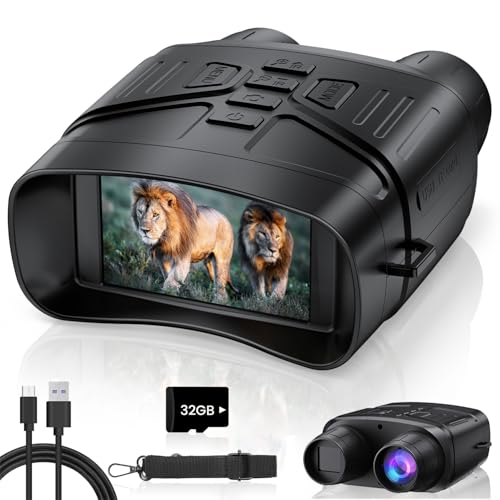
Day and night viewing: Use these night vision goggles in daylight, low light, or complete darkness. The 850nm infrared illuminator provides clear black-and-white viewing at night for hunting, wildlife observation, camping, and property monitoring.

WiFi App Live Viewing and Sharing — Connect these WiFi night vision goggles directly to your smartphone to view live footage, take photos, record videos, and download saved files through the app. Photos and videos can be stored locally on the device/microSD card and your phone, with no cloud upload or subscription required for file transfer, helping keep your files on your own devices. Ideal for nighttime animal viewing, family camping, hiking, backyard animal watching, and nature learning. A practical back-to-school gift for teens and a thoughtful outdoor gift for dads, husbands, campers, and nature lovers.

940nm Invisible IR & Long-Range Viewing: Vtiisamao night vision goggles feature 940nm infrared illumination with no visible red glow for more discreet nighttime observation. View subjects in complete darkness at distances up to 1,968 ft, ideal for wildlife observation, hunting, camping, farm monitoring, and property monitoring.
What Fines and Penalties Come With Illegal Spotlighting?
If you are cited for illegal spotlighting, you face a summary offense of the fifth degree under 34 Pa.C.S. § 2311. This offense requires a mandatory court appearance in magistrate court and cannot be handled by a simple mail-in fine. Wildlife conservation agencies rely on these penalties to prevent night poaching, so law enforcement treats the violation seriously, even if no animals are harvested. Using a light between 11 p.m. and sunrise, or during deer rifle seasons, can lead to a citation. Possessing a firearm or bow while spotlighting increases your legal exposure. While the statute does not specify a specific dollar fine, a conviction remains on your hunting record. Multiple charges can result from a single incident if multiple prohibitions are involved, such as casting light on a building or farm animals. Penalties apply even if you are only searching with a light, not just shooting. Unlike a trail camera, which does not require Wi-Fi to capture nighttime images, a spotlight used illegally still subjects you to the full force of these Pennsylvania hunting laws.

Head Lamps led Rechargeable Super Bright: Powerful LED bulbs deliver high lumens for ultra-bright illumination, perfect for outdoor activities and work in low-light conditions.

[Ultra high brightness headlamp] Large update search headlamp is equipped with LED highlight light source. High lumen spotlights provide lighting distances of up to 1650 feet (500 meters) and two different lighting modes. Also, the sos burst mode can be used as a rescue light outdoors.It is more comfortable to wear. It is very suitable for cycling, fishing, gold washing, mining, camping, hiking, rock climbing, hunting and other sports.
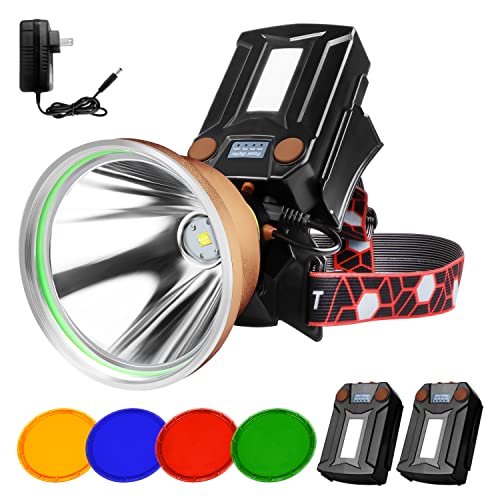
[Ultra high brightness lamp and large light cup] The large upgraded headlamp is equipped with LED highlight light source, and the spotlight provides a lighting distance of up to 3000 feet (1000 meters) and two lighting modes with different brightness. The light cup size of the lamp is more than three times that of the conventional headlamp, the light column is much thicker than the conventional headlamp, and the headlamp may be brighter than your truck lamp.
Quick Checklist to Avoid a Spotlighting Fine
Before heading out, ensure your outing qualifies as recreational spotlighting and not hunting with lighted equipment, as Pennsylvania treats these activities differently. Keep your light use strictly between sunrise and 11 p.m. unless the firearms deer season is open. Never shine a light while carrying a firearm or bow, as this is illegal. During the regular firearms deer season, you cannot search for or locate deer with any artificial light. Avoid illuminating buildings, farm animals, or photoelectric cells. Use headlights only for normal travel purposes. These restrictions are enforced to prevent illegal spotlight hunting, which can lead to significant fines and license revocation. Following these rules helps support wildlife conservation and maintains hunting ethics, preventing accidental violations. Checking the calendar and setting up your equipment carefully can help you stay safe from fines. Remember, because spotlighting deer without a gun is often treated as a separate offense, even the absence of a weapon does not guarantee legality. Recreational spotlighting is permitted only when you adhere to these restrictions. Thermal cameras can detect heat signatures from body warmth but cannot reliably detect a fart’s thermal signature due to rapid dissipation.

𝐁𝐫𝐢𝐠𝐡𝐭 𝐄𝐧𝐞𝐫𝐠𝐲-𝐒𝐚𝐯𝐢𝐧𝐠 𝐇𝐞𝐚𝐝𝐥𝐚𝐦𝐩 𝐅𝐥𝐚𝐬𝐡𝐥𝐢𝐠𝐡𝐭: Used the LED chips to got spotlight brightness 160000 Lux, Floodlight 210000 Lux and an irradiation distance can reach 5085 ft, the maximum irradiation angles of both spot and flood light can reach 60° - 125°; 𝐓𝐡𝐞 𝐛𝐫𝐢𝐠𝐡𝐭𝐧𝐞𝐬𝐬 𝐛𝐮𝐥𝐛 𝐚𝐧𝐠𝐥𝐞𝐬 𝐢𝐦𝐩𝐫𝐨𝐯𝐞𝐝 𝐬𝐚𝐭𝐮𝐫𝐚𝐭𝐢𝐨𝐧 𝐚𝐧𝐝 𝐢𝐫𝐫𝐚𝐝𝐢𝐚𝐭𝐢𝐨𝐧 𝐜𝐥𝐚𝐫𝐢𝐭𝐲 𝐨𝐟 𝐭𝐡𝐞 𝐡𝐢𝐠𝐡 𝐥𝐮𝐦𝐞𝐧 𝐡𝐞𝐚𝐝𝐥𝐚𝐦𝐩; 𝐀𝐟𝐭𝐞𝐫 𝟏𝟎𝐦𝐢𝐧𝐬, 𝐭𝐡𝐞 𝐞𝐧𝐞𝐫𝐠𝐲-𝐬𝐚𝐯𝐢𝐧𝐠 𝐦𝐨𝐝𝐞 𝐜𝐚𝐧 𝐭𝐮𝐫𝐧 𝐨𝐧 𝐚𝐮𝐭𝐨𝐦𝐚𝐭𝐢𝐜𝐚𝐥𝐥𝐲

Long Press Function and Motion Sensor: Unlike the old version, LHKNL headlamp has added a long press function. Just hold the key mode button for 3 seconds to turn off from any lighting mode—no need to cycle through all modes. It also added motion sensor mode, you can easily turn the lights ON or OFF by waving your hand, which is more convenient and avoids soiling the headlamp when your hands are dirty
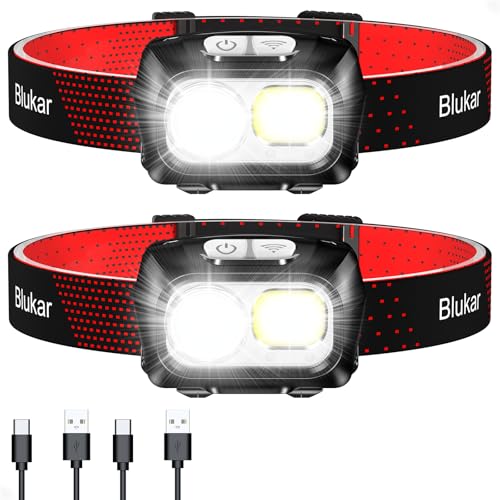
【Super Bright & Stepless Dimming】Blukar 2 packs headlamp adopts advanced COB technology and super bright XPG LED technology, the light beam is uniform and stable, brighter than ordinary headlamps, with a wider beam range. It can simultaneously meet the lighting needs of two different scenarios: spotlight and floodlight. The unique continuous dimming function, long press the button to adjust the brightness from 100% to 30%, which can meet your various lighting needs.