Can Thermal Scopes See Through Walls?
Wondering if thermal scopes can see through walls? The quick answer is no. They only detect surface heat, so dense barriers like brick or concrete block any view beyond them. Insulation and thick materials completely hide what’s behind.
Still, surface clues can sometimes tell you something else.
Keep reading to learn exactly what thermal scopes can and can’t reveal.
Can Thermal Scopes See Through Walls? (No: Here’s Why)
Thermal scopes cannot see through walls. They work by detecting emitted infrared radiation from objects, but walls block this radiation completely. Unlike visible light, which can sometimes reflect off surfaces, infrared radiation does not pass through dense materials like brick, concrete, or drywall. When you aim a thermal scope at a wall, all you see is the surface’s heat signature, not what’s behind it. Warm spots may appear if heat conducts to the surface, but these are faint and unclear. Infrared reflection off walls does not reveal hidden objects; it simply shows the wall’s outer temperature. For example, if a person is on the other side, the wall will absorb the emitted heat rather than transmit it. Therefore, thermal scopes only provide a view limited to what is on or immediately near the surface. This limitation occurs because walls are made from materials like brick, concrete, or wood, which are effective infrared blockers. In reality, a thermal scope cannot penetrate solid objects like walls because the emitted heat from behind is absorbed and blocked by the structure. Understanding night vision goggle prices can help you choose a more affordable alternative for low-light viewing without relying on thermal penetration.
Thermal Scopes Read Surface Temperature, Not Hidden Objects
Thermal scopes read surface temperature, not hidden objects. Since they detect infrared radiation emitted from the outer layer of a surface, they cannot reveal objects concealed behind walls or other barriers. Instead, they provide a heat map of the surface itself. Each pixel on your display shows an estimate of the temperature of that surface layer, based on differences in infrared energy emission. This means you see contrast—hot spots against cooler areas—rather than a clear image of hidden objects. For those seeking effective detection of live game, a review of best night vision scopes can help identify superior models for low-light conditions.
Material properties influence these readings as well. Shiny surfaces can reflect infrared radiation from nearby heat sources, which can skew the temperature measurement. If a warm object recently touched a wall, the surface might retain a faint heat pattern, but this indicates surface warming, not the presence of the actual object behind the wall. Remember, a thermal scope shows you temperature variations of surfaces, not what is hidden behind them. This limitation is why hunters rely on dedicated top thermal binoculars for detecting live game in the field. It provides no X-ray vision—only a picture of surface heat distribution.
Why Brick, Concrete, and Drywall Block Thermal Detection
Brick, concrete, and drywall block thermal detection because they are opaque to long-wave infrared radiation. These materials do not transmit or allow infrared energy to pass through; instead, they reflect or absorb over 99% of it. When you look through a thermal scope at these surfaces, you only see their surface temperature patterns, not what lies behind them. If there are pipes or studs inside the wall, heat conduction might cause slight temperature variations on the surface, but these do not reveal hidden objects or people. Dense masonry’s thermal inertia further delays and blurs any subtle temperature clues, making it even harder to detect concealed features. A game camera captures thermal data from the surface only, reinforcing this limitation. Drywall behaves similarly—while a warm patch may indicate a hot water pipe, it primarily shows conductive heat transfer rather than direct visibility through the material. For context, even if a camera were designed to reset like a Tactacam Reveal X, it still could not see through these dense materials. These materials prevent thermal imaging from providing a clear picture of what’s behind them, which is why performance and cost comparisons focus on surface-level detection rather than penetration. Overall, these materials prevent thermal imaging from providing a clear picture of what’s hidden behind them.

Super Resolution Enhancement: The Flagfront YXI96 thermal camera is equipped with 240x240 super-resolution imaging technology, providing clearer images and capturing more details; A high frame refresh rate of 25Hz ensures a smooth inspection experience

【GW192A Turn Your Smartphone into a Thermal Camera】Android/iphone Camera Plug-and-Play APP - (THG Start), Easily convert your smartphone into a high-performance thermal imager with USB-C plug-and-play—no batteries, no pairing, just scan. This iOS Thermal Master tool brings professional-grade thermal imaging to your pocket. Compatible with iPhone 15/16/17 series phones.

IOS & Android Compatibility: The REVASRI thermal camera is compatible with USB-C interface phones, tablets, and computers, and is suitable for IOS, Android, and Windows systems.Download the application by scanning the QR code in the user manual .Simply download the dedicated 'Camera +' APP application to achieve instant plug and play operation
Which Building Materials Stop Thermal Scopes Completely
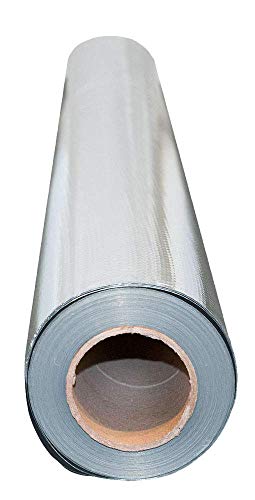
No building material can completely block thermal scopes in all scenarios, but some materials make detection nearly impossible. Dense masonry such as concrete and brick significantly limit infrared penetration; they limit heat transfer to surface temperatures, so you only see the material’s exterior, not anything behind it. Metal barriers like polished steel or aluminum foil are highly effective at thermal reflection, bouncing back up to 97% of heat signatures. Sheet metal, especially if polished, prevents thermal scopes from seeing through; instead, the scope detects the metal’s own surface temperature or reflections from the environment. Understanding the cost of a thermal scope helps operators budget for reliable equipment against these barriers. In field conditions, personal issues like digestive discomfort can distract operators from coordinating proper movement and maintaining hydration discipline. For optimal performance, users should carefully evaluate how to choose their thermal clip-on based on the specific barriers they expect to encounter. Additionally, the image intensifier tube in gen 2+ night vision devices amplifies available light but remains ineffective against thermal barriers.
Material composites also interfere with thermal detection. Thick wood combined with reflective sheathing reduces heat transfer, making it difficult for thermal scopes to see through. Glass surfaces tend to reflect thermal infrared radiation or display their own temperature, rather than revealing objects behind them. With these materials, the scope does not detect interior heat sources, only sees the barrier itself or reflections, effectively making thermal imaging ineffective for seeing through that barrier.

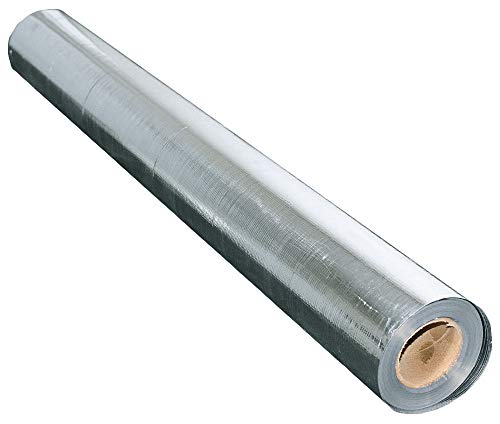
EXTREMELY EFFECTIVE - Reflect 95% of radiant energy, perfect RADIANT BARRIER!
Can Heat Conduct Through a Thin Wall Well Enough to Detect?
Heat can pass through a thin wall sufficiently to be detected, provided there is a significant temperature difference. The key factor is whether enough heat conducts to the outer surface to create a visible warm spot. A thin wall has lower thermal resistance, allowing heat to move more easily. However, high-conductivity materials like metals transfer heat far more efficiently than insulators. For accurate detection, a cantilever scope mount ensures the thermal scope remains stable and properly aligned during observation. To detect the heat, the source must generate a temperature gradient steep enough to warm the surface noticeably. Keep in mind, you are only sensing the heat that reaches the outer surface, which results in a blurred, diffused warm spot rather than a sharp glimpse of what’s behind the wall. If the source is hot enough and the wall is thin enough, heat conduction can produce detectable surface changes. Unlike thermal imaging, red night vision goggles rely on ambient light amplification and are banned in some contexts for military or tactical use due to their potential to compromise stealth operations. Heat generation significantly raises overall wall temperatures, making the warm spot more detectable even through thin walls with low thermal resistance. Understanding trail camera costs can help you apply similar thermal detection principles to budget-friendly wildlife monitoring.
Why Surface Warm Spots Aren’t Proof of “X-Ray Vision
Thermal scopes only detect surface temperature, so a warm patch on your wall isn’t proof of X-ray vision. They measure infrared radiation emitted from the surface, which can be altered by external factors. For example, surface warmth might result from sun exposure, heating vents, or electrical wiring running behind the wall. The warmth you see is an infrared illusion, created by secondary heat transfer rather than anything hidden deep inside.
Brick and drywall are excellent insulators that block infrared signals, meaning they won’t transmit heat from behind. If a person or object is behind a solid barrier, the thermal scope can only pick up surface heat—if any—making the image vague and delayed. Multiple heat sources can create similar surface signatures, which makes it impossible to determine what’s actually behind the wall just from a temperature spot. In essence, thermal imaging stays on the surface, so don’t rely on it as proof of X-ray vision or hidden objects.
How Insulated Walls Defeat Thermal Scope Detection
Insulated walls effectively prevent thermal scope detection by blocking infrared energy transmission. These walls significantly slow heat transfer, so warm objects on the opposite side do not produce a detectable surface temperature anomaly. Instead, insulation spreads out any remaining heat across a broader area, creating a diffuse blur that the thermal scope cannot interpret as a distinct target. When viewing a wall, you only see its surface temperature rather than anything behind it. Materials like brick or concrete can attenuate infrared signals by over 99 percent, leaving no useful thermal signature. As a result, your thermal scope simply detects the wall’s own emitted heat, not what lies beyond. Even if a faint warm patch appears, it’s just a weak side effect of heat spreading, not evidence of a hidden object. Understanding this limitation is similar to how Moultrie Mobile relies on cellular transmission rather than infrared penetration to send images. Insulated walls guarantee that your thermal picture remains obscured, making detection virtually impossible. Unlike dedicated thermal cameras, an iPhone’s standard camera sensors cannot capture long-wave infrared, so the same wall-defeating physics applies to any smartphone-based thermal attachment. This limitation is consistent regardless of the thermal scope’s country of manufacture, as the underlying physics of infrared detection remains universal.
What Thermal Scopes *Can* Detect Near Walls: Leaks and Occupancy Hints
Thermal scopes can detect anomalies near walls, such as leaks and occupancy hints, by identifying temperature differences on surface levels. They reveal cold patches caused by evaporating water or warm areas where hot water lines run, indicating potential moisture intrusion. These surface irregularities, like streaks or spots with unusual warmth or coldness, can point to hidden problems like damp insulation or water damage. For long-term outdoor monitoring, choosing reliable battery options helps ensure your trail camera captures these thermal clues consistently. When setting up such cameras, a top tree mount provides the stability needed for consistent observation angles.
You might also see temporary warm patches on walls after human contact, such as touching or leaning against them. These heat signatures are brief and fade quickly, serving as short-term clues rather than permanent evidence.
To identify real issues, scan slowly at a consistent distance and look for patterns rather than isolated spots. Using thermal alarms can help pinpoint suspect zones more precisely. For users managing multiple detection setups, reviewing stealth cam subscription costs can help you budget for additional tools to verify findings. Remember, thermal imaging acts as a screening tool—always verify leaks with a moisture meter before taking action.

3.5'' 640×480 IPS: This thermal imager features a 2MP visible light camera and a 3.5" 640×480 IPS display for exceptional clarity. With upgraded X³ IR technology, it boosts thermal resolution from 256×192 to 512×384. This handheld thermal camera supports a smooth 25Hz refresh rate, and offers ultra-fine 40mK sensitivity—delivering faster, more detailed inspections.
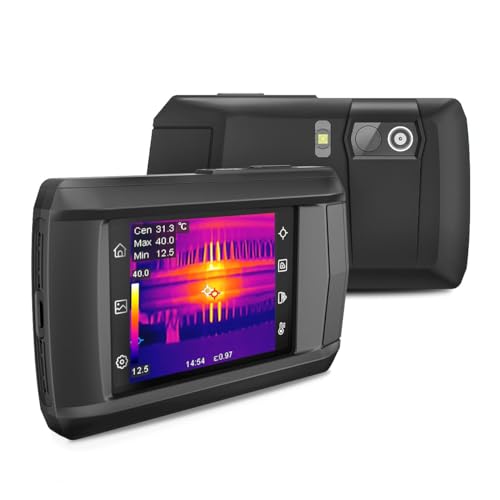
【Intelligent Scene Recognition with IntellFault】Featuring HSFTOOLS' unique IntellFault technology for automated scene detection. Powered by deep learning, it swiftly identifies water leaks and insulation gaps, which makes thermal inspections simpler, faster and more reliable. Download latest firmware on HSFTOOLS Website to upgrade and select "Scene" in the setting to experience it. Note: No moisture readings.