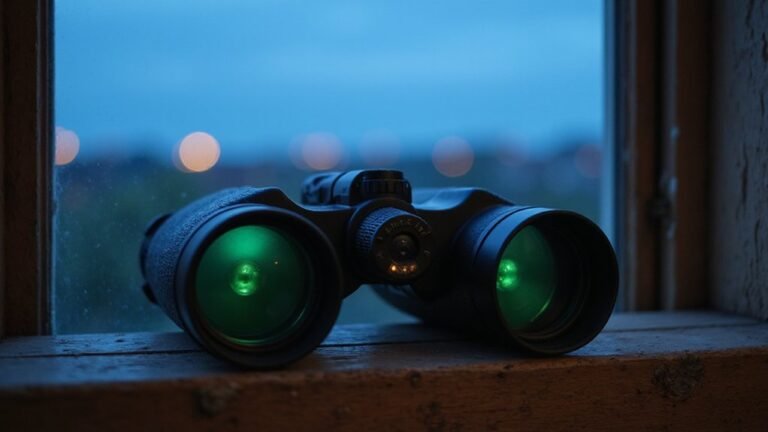
Are Night Vision Goggles Legal? A State-by-State Guide
Wondering if you can legally own night vision goggles?
In most states, owning them is legal under federal law, but how you use them varies a lot from place to place. Some states allow night vision for hunting certain animals, while others have strict bans.
Keep reading to find out what rules apply in your area.
Are Night Vision Goggles Legal for Civilians to Own?
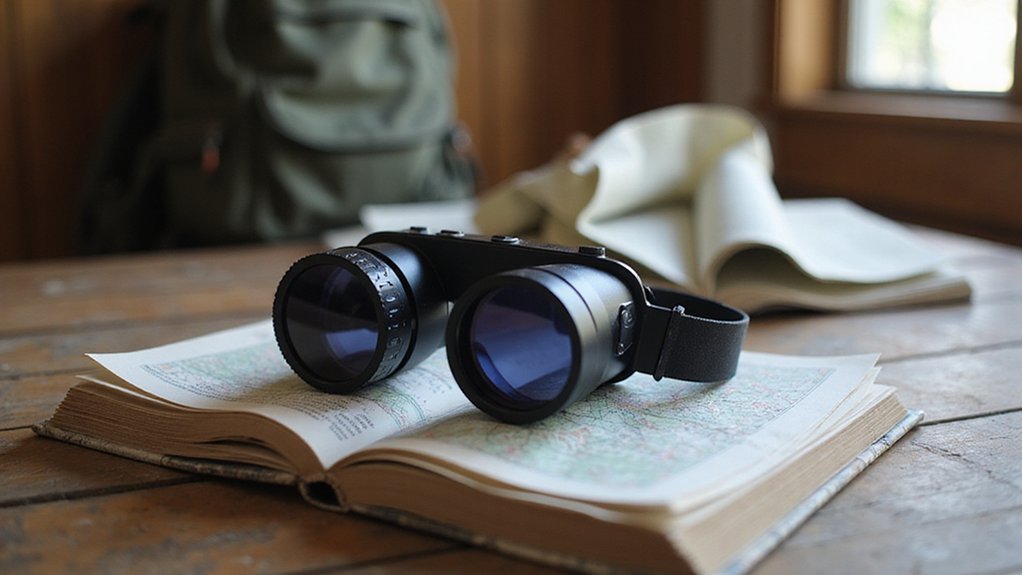
Yes, civilians can own night vision goggles in most cases. There are no federal laws in the United States that prohibit general civilian ownership, so most U.S. citizens and permanent residents can purchase them without needing a federal permit. Advances in technology have made various generations of night vision goggles accessible, from basic models to more advanced Gen 3 units, and it’s helpful to compare popular models like the monocular PVS-14 when choosing a device. However, export restrictions are strict for highly advanced versions, especially those classified as military-grade. Your ability to own and use night vision gear may also be influenced by state laws, particularly concerning activities like hunting or surveillance. The core technology, which amplifies ambient light from the moon and stars, makes them exceptionally useful for many lawful activities. While owning the equipment is typically straightforward, regulations around their use, especially in terms of privacy and safety, can vary. Always stay informed about local laws and use guidelines to ensure responsible ownership, similar to the best practices for using a trail camera.

5K HD Videos & 60MP Images: The night vision goggles can take photos, record a video and playback, you can capture high definition photos & videos with its outstanding optical clarity in the daytime, low light, or night time

LIGHT FILTERING GREEN LENS TECHNOLOGY: our Night Vision Glasses feature cool, high-tech green lenses that make nighttime vision astonishingly clear

940nm Invisible IR & Long-Range Viewing: Vtiisamao night vision goggles feature 940nm infrared illumination with no visible red glow for more discreet nighttime observation. View subjects in complete darkness at distances up to 1,968 ft, ideal for wildlife observation, hunting, camping, farm monitoring, and property monitoring.
How Federal and State Laws Interact on Night Vision
Federal law generally allows you to own night vision goggles, but state laws determine where and how you can use them. The federal government’s jurisdiction establishes your right to possess these devices within the United States, with compliance mainly governed by the International Traffic in Arms Regulations (ITAR), which focus on export controls. However, states can impose additional restrictions on their use, particularly in activities like hunting or wildlife observation. For example, California may prohibit using night vision with a firearm, even though federal law does not restrict ownership. Therefore, while federal regulations permit you to possess night vision goggles, you must also follow your state’s laws about their application, especially concerning outdoor recreation or hunting. Your choice between night vision or thermal devices can be further complicated by these varying legal restrictions, as can your choice between night vision and thermal camera apps. Proper mounting systems are crucial to ensure the stability and accuracy of these optics, much like a cantilever scope mount is essential for precise firearm setups. You are responsible for obeying both sets of laws, as federal ownership rights do not override state restrictions on specific activities involving these devices.
5 States Where Night Vision Hunting Is Generally Allowed
Five states permit night vision hunting under specific regulations. Texas allows the use of night vision devices for hunting hogs and coyotes on private land. Florida authorizes night vision use for various nocturnal animals without restrictions on the type of lighting. South Carolina permits hunting armadillos and coyotes at night with night vision, provided you maintain a safe distance from residences. Vermont has no restrictions on night vision gear itself and allows its use for coyotes even though artificial light is banned. Arizona permits night vision hunting for javelina and predators during open seasons, with some lighting rules waived. The infrared sensors used in these devices operate on principles similar to a DIY thermal camera. Protecting expensive night vision equipment in the field can be achieved with a DIY security box. This technology, much like a game camera, operates by amplifying existing light to create a visible image. These regulations support both the manufacturing of civilian night vision equipment and conservation efforts funded through hunting activities.
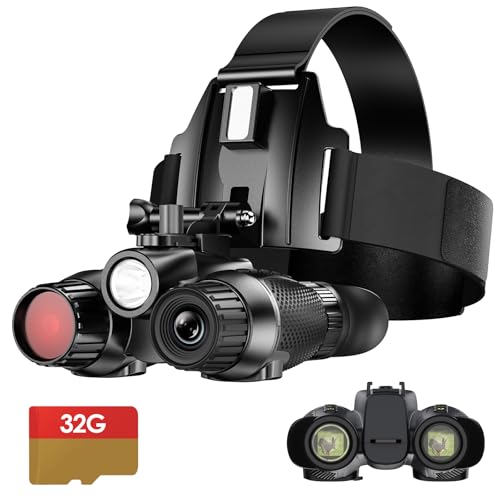
【3D Naked-Eye Effect】Enjoy clear and detailed 3D virtual reality night vision with dual-screen, dual-eyepiece naked-eye 3D viewing. Capture stunning 36MP photos and ultra-high-definition videos.

Enhanced Visual Clarity: 1.54" HD high definition large screen with wider viewing range, equipped with 7x high magnification telescope and 20mm adjustable focus high transmittance photosensitive lens, making it easier to search and find farther targets
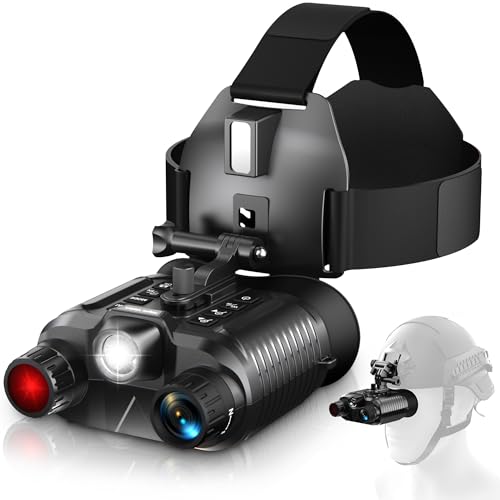
【Advanced Night Vision Technology & Fill Light】Equipped with an 850nm infrared illuminator and Starlight CMOS sensor, they deliver clear visibility in low-light conditions and 7 adjustable IR levels and 7-steps fill light for clear observation up to 1312 feet (400 meters) in total darkness
States That Completely Ban Night Hunting With Night Vision
Several states completely ban night hunting with night vision devices. Alaska, Arizona, California, and Hawaii enforce total bans that prohibit both night hunting and the use of night vision or thermal imaging technology for taking game. Connecticut, Rhode Island, and Massachusetts also have strict regulations that forbid these practices entirely. These laws are primarily rooted in concerns about fair chase, hunting ethics, and animal welfare, aiming to prevent hunters from gaining an unfair advantage over wildlife. The legal framework for these bans is designed to ensure a level playing field and uphold ethical hunting standards. Possessing night vision or thermal imaging equipment while hunting in these states can lead to serious legal penalties, even if the devices are not used directly for hunting. The technical components and DIY thermal scopes that enhance nocturnal visibility are precisely what these regulations seek to restrict. Always check your state’s specific regulations before planning any night hunting activities to avoid violations, as understanding the thermal imaging technology used in these devices can clarify why its hunting application is so heavily regulated.

Built-in Compass for Easy Navigation – Our 4K digital night vision binoculars feature a built-in compass, ensuring you stay on track in the wild. Whether for tactical use, infrared (IR) night hunting, or outdoor adventures, these nocturna nightvision goggles provide reliable navigation in complete darkness.

🔦【A MUST-HAVE FOR EXPLORERS】Night Vision Goggles, tailor-made for little explorers! Our Night Vision Goggles for kidsLED beam provides a clear view in the dark, making children's night adventures more exciting and fun. Playing as a spy or agent, exploring the secret world in the dark, every mission becomes immersive and fun!

【4K Ultra HD Image Quality】The NTX3 advanced night vision goggles for adults capture stunning 4K videos and 40MP photos—day or night. Whether you're into hunting gear, camping, or night surveillance, they deliver unmatched detail and clarity
Using Night Vision to Hunt Invasive Species Like Feral Hogs
Many states do allow or even promote night vision use for hunting invasive species like feral hogs, although regulations vary widely. This practice is often justified as a wildlife conservation effort, aiming to control populations that cause significant ecological damage. Before heading out, you need to check your specific state’s equipment regulations because some states impose strict limitations. For example, Arkansas permits the use of night vision exclusively for feral hogs, while Texas has fewer restrictions overall. Hunters in Texas often use thermal optics, which can cut through obstacles like trees more effectively than traditional infrared. The ballistic helmet is a piece of protective gear some hunters incorporate for nighttime safety. In contrast, states such as California ban infrared technology and regulate artificial lighting used during hunting. Ensuring your gear is ready for a long night is also important, so be mindful of factors like battery life management for your optics and cameras. It is also crucial to verify county-level rules, as violations can lead to penalties or gear confiscation. Always obtain landowner permission before hunting at night, since trespassing charges for nighttime hunting increase considerably, especially if you’re targeting specific invasive species after dark.

Fast Targeting. Wide Field of View: The RattlerV2 19-256 offers a 2.5x base magnification and a wider field of view — ideal for close- to mid-range scanning and fast-moving targets. Whether you’re hunting hogs in thick brush or predators on the move, this thermal scope keeps your target in sight and your response time sharp.


【GRS225 Thermal Imaging Scope】Equipped with a powerful 25mm objective lens & 256×192 thermal sensor with <35mK sensitivity & a high-resolution 1440×1080 OLED. Its thermal imaging scope delivers long-range heat detection up to 1,224 yards. Please note: For lens cap opening instructions, please refer to Image 6.
Is Using Night Vision for Home Security or Surveillance Legal?
Using night vision for home security is generally legal as long as you stay within certain boundaries. You can typically install cameras equipped with night vision on your property to monitor areas like your driveway, yard, or entry points without needing a permit. However, it is crucial to respect neighbors’ privacy. Secretly recording through their windows or in private spaces where they expect privacy is illegal in all states and can result in hefty fines or jail time. The performance of your system can be greatly enhanced with a quality infrared illuminator for greater clarity in total darkness. When selecting a camera, the key is evaluating the specific features and cost for your needs.
Always ensure your surveillance remains focused on your property. Proper maintenance of your night vision devices is essential to keep them functioning correctly and avoid emitting disruptive or harmful light. For those interested in active surveillance, particularly after dark, using thermal imaging technology can provide a significant advantage in detecting movement through heat signatures. Remember that footage obtained unlawfully is usually inadmissible in court, so your focus should be solely on your own premises to stay within legal and ethical boundaries.
Navigating County Laws and Artificial Light Restrictions
Additionally, some local laws ban casting any beam of light on public footpaths, while others require group hunters to display visible lights. Understanding the trail camera price factors for similar outdoor surveillance tech can provide context for why certain advanced features in night vision are regulated. When comparing models for your needs, understanding the BNVD vs RNVG distinction in performance and cost is crucial, as this high-performance gear often falls under specific regulatory scrutiny. The core night vision technology generations differ significantly in capability and cost, which influences their legal classification. You must also pay close attention to regulations concerning weapon-mounted thermal devices or active infrared illuminators, as these often face the strictest restrictions. In California, for instance, active infrared scopes are explicitly illegal when combined with magnification, highlighting the need for precise legal awareness. Unauthorized use of such equipment can lead to hefty penalties, so always review your county’s specific rules before heading out.
5 Steps to Hunt Legally With Night Vision Gear
To hunt legally with night vision gear, you must first thoroughly verify your state’s wildlife regulations through its official agency website. Next, check local ordinances and consult your local game warden directly to confirm any additional restrictions. Reviewing equipment restrictions is essential, especially since tech like thermal scopes may be regulated, and obtaining all necessary permits is mandatory before hunting. Make sure you target only species that are in season and legally permitted to hunt at that time. Always carry your permits and be ready to demonstrate that your gear complies with all legal requirements. Following these steps ensures your hunt aligns with both legal standards and ethical practices.

Notice: This night vision binoculars does not sell a standalone lithium-ion battery; it contains a built-in, non-removable battery—Model: 955565, Capacity: 5000mAh, Voltage: 3.7V, Energy: 18.5Wh

NIGHT VISION GOGGLES FOR ADULTS 4K – Experience clear digital night vision with a 4K imaging system and large 4.5" HD screen. Designed for nighttime observation, outdoor exploration, camping, hunting, and wildlife viewing.

4K Video and Photos for Day and Night Use: GOYOJO night vision goggles capture crisp 4K video with audio and high-resolution 36MP photos, helping you record clear details during nighttime exploring, wildlife observation, camping, farm security, and outdoor patrol use.
State-by-State Night Vision Hunting Law Reference Table
Night vision hunting laws vary significantly from state to state. Some states, like Alaska and California, prohibit night vision technology entirely. Others, such as Georgia and Vermont, impose minimal restrictions, making night vision gear generally legal to use. Many states, including Arkansas and Colorado, allow night vision hunting under specific conditions or for particular species, like predators or nuisance animals such as feral hogs. Idaho bans night vision devices but permits hunting with artificial light, provided strict rules are followed. Because of this patchwork regulation, you must always check your local laws before using night vision gear to ensure compliance, as what is legal in one state may be outright illegal in another.