Thermal Goggles Cost: How Much Are Thermal Imaging Goggles?
Wondering how much thermal imaging goggles cost? Prices can range from around $200 for basic models to over $10,000 for high-end professional gear.
If you see a pair under $100, it’s likely a fake with no real heat detection capabilities.
Keep reading to learn about what affects cost and how to choose the right pair for you.
True Thermal Goggles: What Separates Them From Night Vision
Thermal goggles are best when detecting heat signatures rather than identifying fine details. They work by sensing temperature differences, making them highly effective for spotting warm targets in complete darkness, smoke, or fog. Unlike night vision, which amplifies available light, thermal imaging doesn’t rely on ambient light or infrared illuminators. This means you can see someone or an animal hiding behind cover or in low-visibility conditions instantly. However, thermal images show temperature contrasts rather than sharp shapes or facial features, making detection easier but recognition more difficult. Thermal goggles typically cost significantly more than comparable night vision devices due to the advanced sensor technology required. Use thermal goggles when your priority is simply finding heat sources rather than identifying specific details or reading signs. Thermal goggles excel in obstacle penetration, tracking heat sources through brush and obstructed environments where night vision struggles. For context, the power demands of these advanced sensors often mean that thermal goggles, like trail cameras, require careful battery management for extended field use, with a proper power source being critical to avoid unexpected shutdowns during critical operations.
Cheap Thermal Goggles Under $100 Are Usually Fake: How to Spot Them
To determine if those under-$100 thermal goggles are real or fake, start by researching the seller. Look for reviews, complaints, or reports of scams by searching their name alongside words like “scam” or “fraud.” Legitimate sellers usually provide clear contact details, return policies, and warranty information. Next, examine the listing carefully. Red flags include misspelled logos, grammatical errors, or vague specifications. Check the packaging for missing serial numbers, authenticity seals, or manufacturer info, and compare the product images with official photos from the brand’s website. For example, a real budget device like the Night Thunder X3 includes an SD card and clear instructions, which counterfeit listings often omit. Since cellular trail cameras also have monthly data fees that can inflate overall costs, it is wise to compare monthly plans from different providers to avoid overspending. Properly adjusting detection zones on a legitimate device can help reduce false triggers and extend battery life. Lastly, always pay with a credit card to secure dispute protection. Avoid methods like gift cards or wire transfers, which make it easier for scammers to disappear. Remember, a price that’s too good to be true often indicates a counterfeit product. Additionally, counterfeit thermal devices may lack the proper regulatory compliance that real units must meet, as some night vision technologies face restrictions due to military and security concerns.
Sensor Resolution: Why 256×192, 384×288, and 640×480 Drive Price
A 256×192 sensor offers basic thermal detection that is suitable for minimal inspection needs. Its low resolution limits the ability to distinguish fine details or separate closely spaced targets, making it ideal for entry-level devices priced around $200. These sensors rely on sensor sensitivity to compensate for the limited pixel count, maintaining usability in typical applications.
A 384×288 sensor improves image clarity with sharper edges and better long-distance performance. This resolution requires more precise manufacturing calibration to ensure accuracy, which increases production costs and elevates the price range to approximately $750–$1,000. The enhanced pixel density supports more detailed thermal imaging, making it suitable for more demanding inspections and professional uses.
A 640×480 sensor is considered high-end and often costs over $2,000. Its dense pixel layout captures fine details with high image clarity, suitable for intricate thermal analysis. However, this resolution demands exceptional sensor sensitivity and meticulous thermal calibration to minimize noise and produce reliable images. The complexity of manufacturing and calibration drives up the cost at this level, reflecting the need for advanced hardware and precise assembly.
Thermal Monocular vs. Goggles: Which Costs More and Why?
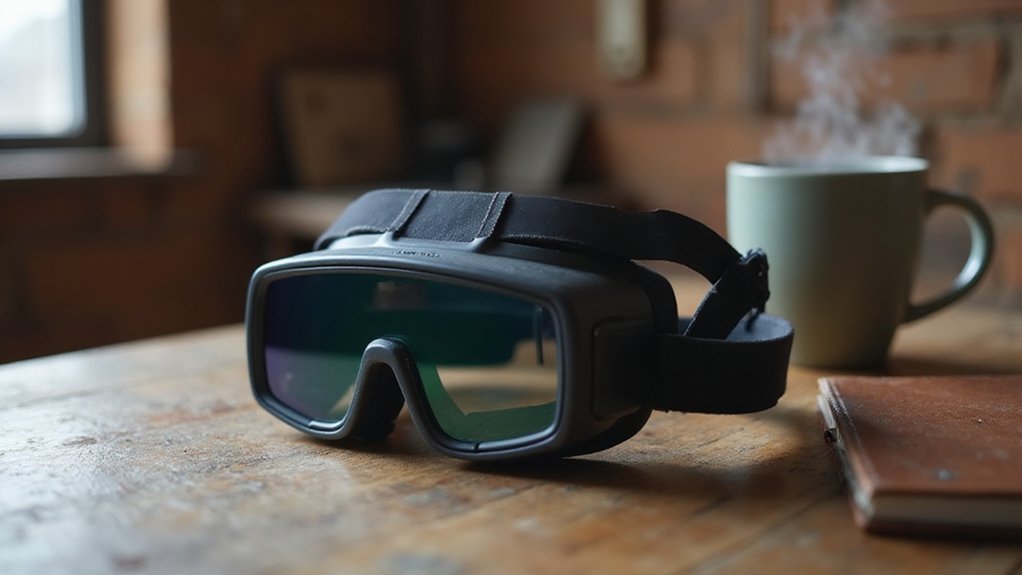
Thermal goggles cost more than monoculars because of their complex dual-optic system. They incorporate two lenses, dual displays, and are designed for head-mounted use, which adds to manufacturing and engineering expenses. Goggles also require higher thermal durability since they are built for tough field conditions, unlike monoculars that serve a lighter, more portable role. For example, cellular trail cameras use similar robust engineering to withstand harsh outdoor environments. Battery life further impacts the price. Goggle systems contain more power-hungry electronics and larger batteries to support hands-free operation, increasing both component costs and testing requirements. In contrast, handheld monoculars use fewer parts and smaller batteries, making entry-level units available around $300 to $700. Wearable thermal goggles, on the other hand, typically start near $2,299, reflecting advanced binocular viewing capabilities and ergonomic features that reduce user fatigue. Building a comparable thermal system from scratch, as outlined in DIY drone guides, requires sourcing separate sensors and optics that quickly exceed the cost of a finished monocular. As with deer hunting camera reviews, these high-end goggles often prioritize detection range and image clarity for field use.
Budget Thermal Goggles: What $300 to $700 Actually Buys
While $300 to $700 won’t buy you a true binocular-style thermal goggle, it does place you in the affordable range for a serious first thermal device, primarily in monocular form. At the lower end around $300, you’ll typically get a 256×192 sensor, which is sufficient for detecting heat signatures in your backyard or during casual hunting trips. Moving up toward $700 allows you to upgrade to a 384×288 sensor, offering noticeably improved resolution for more demanding fieldwork. Keep in mind, this price range focuses on detection capabilities rather than detailed identification. The thermal battery life usually supports a few hours of continuous use, so planning for recharging or replacement is wise. The user interface is generally simple but effective, allowing you to adjust gain and contrast without complication. These devices are primarily handheld, though mounting options exist with a J-arm, though they may compromise stability and comfort. This tier offers an excellent entry point, but it’s not meant to be your final or most advanced setup. If your device stops functioning, common issues like a dead battery or corrupted SD card are often the cause, similar to what you’d find when troubleshooting a Stealth Cam. For those willing to spend significantly more, a PVS-14 night vision monocular provides exceptional performance in low-light conditions instead of thermal imaging. For reliable performance, it is worth checking a game camera review that compares image quality and detection range across various models.
Mid-Range Thermal Options: The $800 to $1,500 Upgrade Path
The $800 to $1,500 range offers a significant upgrade from entry-level thermal imaging. In this bracket, you get a 384×288 sensor, which allows you to distinguish targets like a coyote from a fox at over 200 yards—not just a heat signature. Models such as the AGM Rattler V2 or Vortex Veil 400 often include features like video recording and Wi-Fi connectivity, making it easier to review footage or share images. Thermal calibration improves notably at this level, ensuring consistent clarity even as weather and light conditions change. Battery life also sees a boost, typically lasting through an entire hunting session or property patrol. This price band provides approximately 80 percent of the capabilities found in top-tier systems, striking a balance between performance and affordability suitable for serious hunters and property owners who still want reliable target differentiation without the expense of premium gear. These mid-range units are often praised in quality and performance guides for their reliable target identification at moderate distances. For optimal image clarity, you should adjust the focus ring and manual gain to fine-tune the display under varying outdoor conditions. Devices like the Rattler V2 offer a 256×192 resolution with a 25mm lens and multiple reticles for enhanced targeting. For security-minded users, a similar upgrade in trail camera security ensures your valuable gear itself remains protected from theft.
Why High-End Thermal Goggles Reach $2,000 to $10,000
Enhanced image processing significantly increases the complexity and capabilities of thermal goggles, adding features like augmented reality overlays, zoom functions, and recording capabilities. These advanced electronics require sophisticated hardware and software integration, which drive up costs. You’re paying not just for the sensor’s thermal detection but also for a system designed to deliver mission-ready performance, extended identification distances, and durability to withstand tough field conditions without failure. Unlike basic models that only display raw heat signatures, these high-end units rely on a calibrated microbolometer detector to translate infrared radiation into a precise temperature map, which is the core of how all thermal imagers function. To further justify the price, premium models often employ trail camera design principles for rugged, weather-sealed housings and reliable field operation. Because the underlying sensor hardware and housing materials are shared across these devices, bulk manufacturing costs are a key factor that keeps retail prices down for consumers.
Which Thermal Goggle Specs Matter for Your Use Case?
Detection range is crucial depending on your use case. For hunting or field scanning, prioritize a lens size of 35 mm or 50 mm and a NETD of 20 mK or lower, which allows you to detect heat signatures through brush at significant distances. These specs help you spot warm objects in challenging environments. When choosing between night vision vs. thermal for coyote hunting, thermal is generally better for detecting hidden animals through dense cover. For home security, a smaller sensor resolution, like 384×288, is generally sufficient, offering reliable thermal imaging without extra bulk or cost. If you need to track fast-moving targets, a refresh rate of at least 50 Hz is essential, as higher rates provide smoother motion detection and less lag.
Durability can make a big difference during extended use. Look for an IP67 rating, indicating water and dust resistance, and aim for batteries that last 8 hours or more for longer sessions in the field. For most general-purpose applications, a sensor with 640×512 resolution and 12-micron pixel pitch strikes a good balance between image detail and affordability. A smaller lens may be better suited for tight spaces where a wide field of view isn’t needed.