Night Vision Hog Hunting Guide Service: A Complete Guide
Ever wonder how to hunt hogs at night and gain the upper hand over these nocturnal animals? With night vision and thermal technology, you can extend your hunting hours and improve your chances, often spending around four hours from sunset.
Whether you’re new or experienced, understanding the gear and methods can make all the difference. This guide will walk you step by step through the essentials.
What Makes Night Vision Hog Hunting Different From Day Hunts?
Night vision hog hunting differs significantly from daytime hunts, primarily because detection shifts from being visually based to relying on optical devices. During the night, thermal imaging becomes a crucial tool, capable of revealing heat signatures through foliage, fog, and darkness. This allows you to spot hogs at longer ranges more quickly compared to relying on sight alone. Night vision devices amplify ambient light, making it possible to see clearer details of the animals’ features before taking a shot. Thermal imaging, however, excels in total darkness and can detect hidden animals that night vision might miss.
Instead of wide-area glassing and scanning, your focus narrows to detecting targets through thermal or night vision equipment. Most shots are taken at closer distances, often under 200 yards, since visibility is limited and precision is essential. Equipment maintenance also plays a vital role—lens fogging and dead batteries can ruin a hunt, so keeping your gear in top working order is critical.
You’ll also take advantage of hogs’ natural nocturnal behavior by using bait stations and travel corridors as ambush points. This strategic approach makes detection the priority, first via thermal to locate heat signatures, then confirmation with night vision. The process becomes more about intercepting targets quickly within a smaller, thermal-rich field rather than following visual cues in daylight. Thermal imaging reveals animals of all species based on heat, but lacks the detailed visual distinction provided by night vision.
How Much Do Night Vision Hog Hunting Packages Cost?
Night vision hog hunting packages typically cost between $495 and $1,295 or more per person. Your price depends on what the operator includes and the hunting style you choose, such as stalking on foot or using vehicle access. Budget-friendly options often exclude gear, so you’ll need to rent a gun for around $50 daily and purchase ammunition separately. Higher-tier packages usually include lodging, meals, and equipment maintenance, providing a more comprehensive experience. For advanced detection, some operators provide drones with thermal imaging to help locate hogs from the air. Watch out for additional costs like non-hunting guests, which can run from $75 to $750 per night, and extra hogs that cost about $100 each. Deposits generally require 50% upfront, with the remaining balance due in cash or check upon arrival. Always verify what’s included before booking to avoid surprises. For those planning extended trips, comparing package features against camera resolution and battery life can help you decide if the operator’s scouting technology justifies a premium price. For the best accuracy, ensure your rental rifle is fitted with a cantilever scope mount to maintain zero on the rail.

DETECT DEER AT 769 YARDS: The T2 Pro thermal night vision captures subtle heat differences, making it effective both day and night. Equipped with a 13mm lens, it detects 7ft targets from over 769 yards away. For reference, it can spot whitetail deer at 700 yards, wild hogs at 600 yards, and coyotes at 300 yards. It’s also great for wildlife education, parent-child outdoor activities, and birdwatching up to 50 yards

High-Resolution Thermal Imaging: This FPV thermal camera module is available in multiple resolutions (256, 384, 640) to deliver clear and detailed thermal vision, allowing for precise identification of heat signatures during flight.
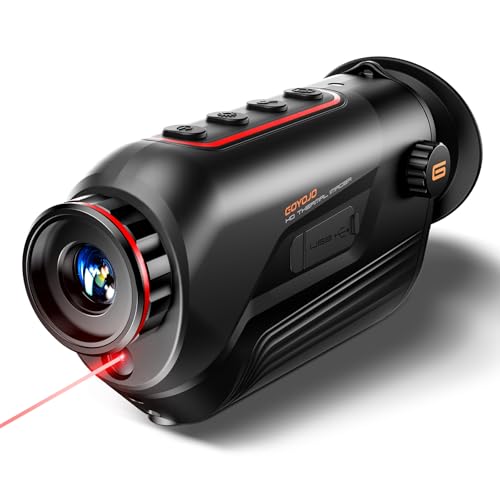
【Thermal Imaging Technology】 GOYOJO thermal imaging monocular features a state-of-the-art 256x192 thermal imaging camera sensor paired with a 12μm infrared detector. This advanced technology ensures high-resolution thermal imaging, providing users with a clear and detailed view of their surroundings in low-light conditions.
When Are Night Vision Hog Hunts Timed and How Long Do They Last?
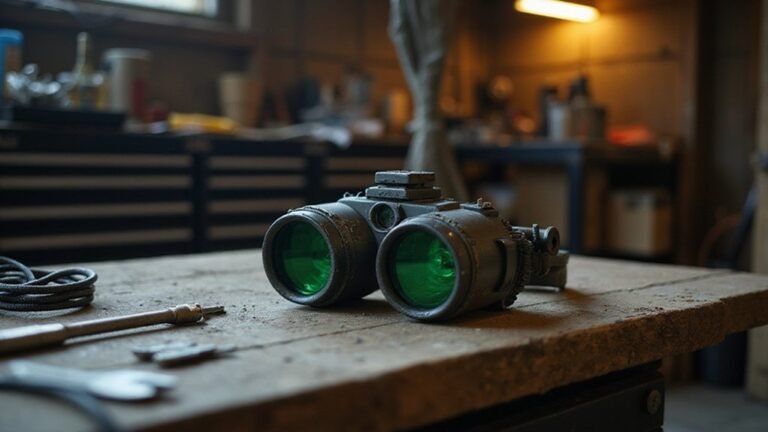
Night vision hog hunts generally start around sunset, with check-in times typically around 7:30 p.m. This can vary slightly—earlier check-ins in winter and later in summer—to accommodate changing daylight hours. Most outfitters gather hunters just before dark to review safety guidelines and prepare gear. After confirming everything is ready, you’ll head out for the hunt. These guided excursions usually last about four hours, ending between approximately 11:30 p.m. and 2:00 a.m., depending on the season. The timing is planned to coincide with the peak activity periods for hogs, often within the first two hours after dark. If hunting slows down later in the night, some guides suggest returning around 2:00 or 3:00 a.m. for a second chance. During these sessions, the goggles rely on image intensification to amplify ambient light, allowing clear vision in darkness, but extreme low-light conditions may require active infrared illumination to function effectively. Exact start and end times can differ based on the property and season, so always verify the schedule with your outfitter beforehand. Hunters commonly rely on thermal scopes for spotting pigs through brush during these night sessions. Properly sighting in your scope before the hunt ensures accurate shot placement in low-light conditions.
What Night Vision Gear and Thermal Optics Will You Use for Hog Hunting?
Thermal optics generally outperform night vision gear for hog hunting due to their ability to detect heat signatures directly. Models like the Pulsar Thermion 2 LRF XL60 provide high image resolution at 1024×768 HD, which helps identify animals clearly even in low contrast conditions. The built-in laser rangefinder allows for precise long-distance shots, essential when hogs are spotted at varying ranges. Other good options include the Thermion 2 LRF XG60 and AGM Varmint LRF TS50-640, both of which incorporate rangefinders to give you an advantage in the field. Similar to how these thermal scopes use advanced optics to identify targets, some hidden surveillance cameras also combine night vision and audio recording for covert monitoring. Just as a ballistic helmet protects a hunter’s head from projectiles, high-quality thermal optics protect your ability to detect hogs in challenging environments. For mounting thermal or night vision optics on your helmet, a rhino mount provides a stable and adjustable platform for hands-free operation.
Night vision scopes such as the ATN X-Sight 5 LRF are also usable but depend heavily on ambient light levels. They tend to struggle in thick brush, fog, or complete darkness, which limits their effectiveness under cover. For hog hunting, choosing a thermal optic with high resolution and integrated rangefinding capabilities will generally give you a tactical edge.

Fast Targeting. Wide Field of View: The RattlerV2 19-256 offers a 2.5x base magnification and a wider field of view — ideal for close- to mid-range scanning and fast-moving targets. Whether you’re hunting hogs in thick brush or predators on the move, this thermal scope keeps your target in sight and your response time sharp.

[Hunting Range Finder with Mode Memory]-This laser hunting rangefinder has 7 functions: ranging mode,all-in-one mode, scanning mode, speed measurement mode, two points height measurement mode, golf distance compensation mode and storage mode. This range finder has memory function which will open the mode you used before shutting down, which is convenient and effective

Extended Range. Wider Opportunity: With a 25mm Germanium lens and a powerful 3.5x base magnification, the RattlerV2 25-256 gives hunters a serious edge. Its thermal imaging scope lets you detect heat signatures out to 1,250 yards.
Spot-and-Stalk vs. Blind Hunting: Which Method Works Best for Night Vision Hog Hunting?
The best method depends on hog behavior and your specific situation. If hogs frequent a bait site or water source regularly, blind hunting is more effective because it allows you to remain concealed while multiple animals come into range. This approach often involves fixed thermal scopes with pre-located lanes, ideal for steady patterns and less movement on your part. Using natural barriers like foliage or camouflage netting for concealment is key to staying hidden from the hogs’ keen senses. For a DIY enthusiast, building a custom thermal drone can enhance aerial scouting to confirm hog patterns before setting up a blind. Beginners should understand that thermal monocular resolution impacts how clearly you can identify hogs at distance during spot-and-stalk. Investing in dual-tube night vision for navigation can significantly improve your situational awareness when moving through dense brush after dark.
Conversely, if signs are scattered or hogs are under pressure and avoid bait sites, spot-and-stalk becomes the better option. This method requires covering ground efficiently—using handheld thermal scanners to locate active feeders—then shifting to a rifle scope for the shot. It’s particularly suited for unpredictable movement and less predictable patterns.
Both methods necessitate understanding equipment differences: blind setups benefit from pre-ranged thermal scopes fixed on a shooting lane, while spot-and-stalk demands flexible optics—initially a handheld thermal scanner followed by a quality rifle scope. Always verify your thermal optics are properly zeroed before the hunt, regardless of the approach.
Check local hunting regulations, especially regarding baiting, as some areas prohibit bait use. If baiting is not permitted, spot-and-stalk avoids the legal complications and becomes your primary tactic.

UNMATCHED CLARITY: With a high IR resolution of 256x192 and a smooth 50Hz refresh rate, the thermal monocular provides vivid thermal images, capturing every detail of your surroundings with precision.
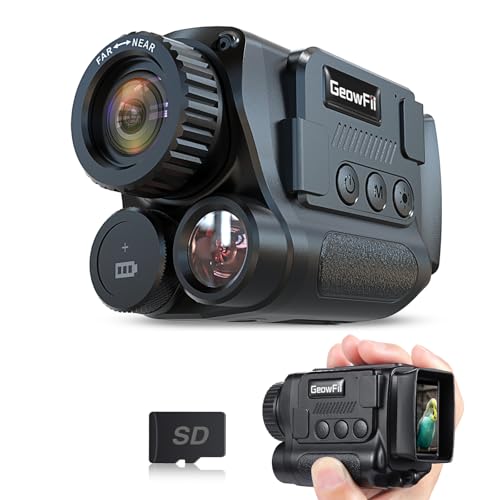
4K Upgraded & Practical—— GeowFiiTech Night Vision Monocular features a 4K version with a 25mm multi-coated lens, enhancing imaging for day and night use. With 4K video, 40MP photos, and essential functions, this monocular night vision meets outdoor needs effectively

Head-mounted thermal vision - The Nightfox Arctic provides clear thermal imaging in total darkness and records footage onto the included 32GB memory card. Ideal for tactical operations, security and outdoor use, with multiple colour and heat filters to suit different environments.
What to Bring and How to Prepare for Your Night Vision Hog Hunt
Packing for a night hog hunt requires more than just your rifle; it’s about packing the right gear in the right way. Start with moisture-wicking, scent-free clothing layered for warmth and concealment. Durable outer layers protect against the elements, while gaiters help guard against snakes and brush. Invest in sturdy boots with aggressive treads to handle muddy, uneven terrain without slipping. Choosing a bump helmet provides a simple and inexpensive attachment point for your night vision device.
For electronic gear, bring thermal and night vision devices with helmet mounts for hands-free operation. If you do not have a dedicated thermal scope, a phone-based thermal app can serve as a lightweight backup for scanning fields. IR lasers can improve target acquisition, while extra batteries ensure your devices stay powered all night. A rangefinder helps judge distance accurately, especially since thermal imaging can flatten depth perception. Your rifle should be zeroed reliably, and a suppressor reduces noise to prevent spooking hogs. Attach everything securely with lanyards or tethers to prevent any gear from getting lost. Additionally, you should learn how to reset your stealth cam before the hunt to clear any previous settings and ensure it is functioning properly. For a custom build, consider assembling your own unit using a basic thermal core to save costs and understand the system.
Pre-hunt gear maintenance is essential. Check your optics, clean lenses, and confirm mounts are tight. Practice your approach and agree on hand signals with your team so everyone stays coordinated in the dark. Proper packing, quiet movement, and communicating clearly will keep you on the hogs all night long.

No need to purchase a J-arm to be compatible with "Dovetail"


Sturdy and Durable: NVG Mount is made of high-quality aluminum alloy with high oxidation resistance, solid , wear-resistant and comfortable, and With this mount, you can say goodbye to loose and wobbly