What Is a Bump Helmet? A Guide for Night Vision Users
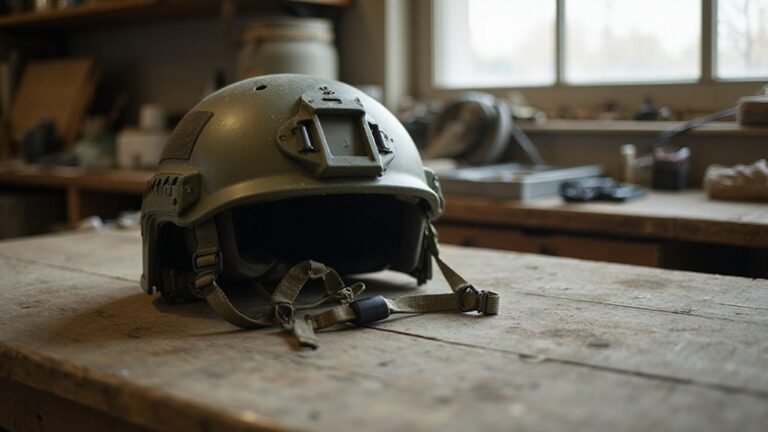
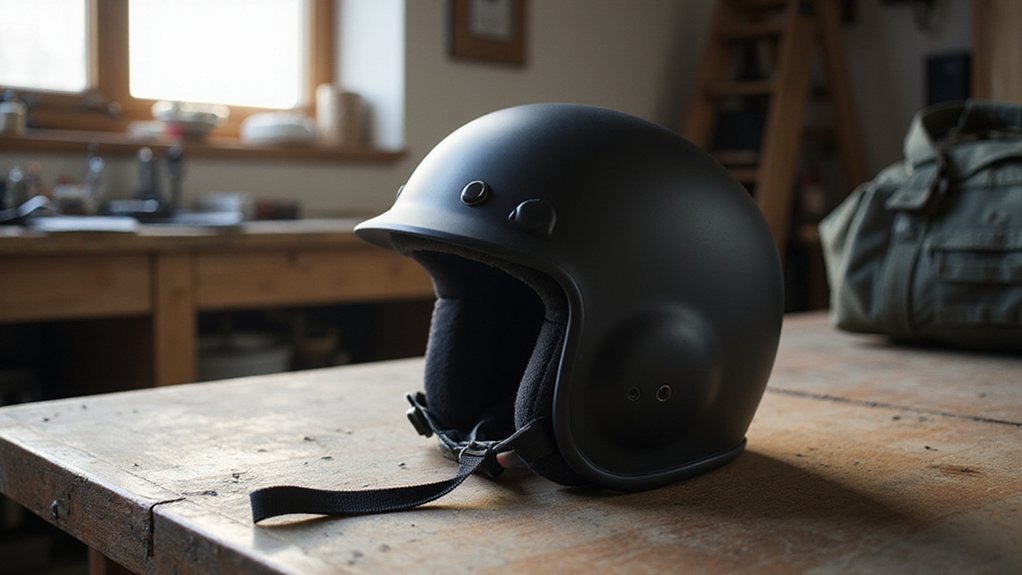
Ever wondered what kind of helmet keeps you safe during night operations without weighing you down? A bump helmet is a lightweight, impact-resistant head protector designed from durable plastics like ABS.
Its main benefit is compatibility with night vision and thermal devices, helping you stay aware and comfortable in low-light situations.
Keep reading to learn how to choose the right one for your needs.
What Exactly Is a Bump Helmet Designed For?
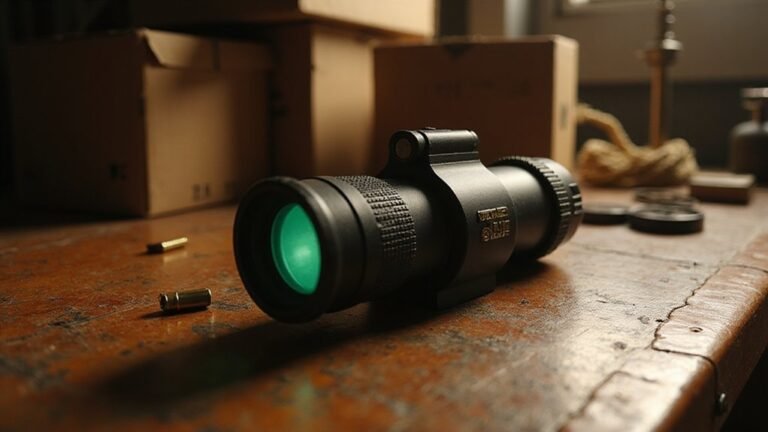
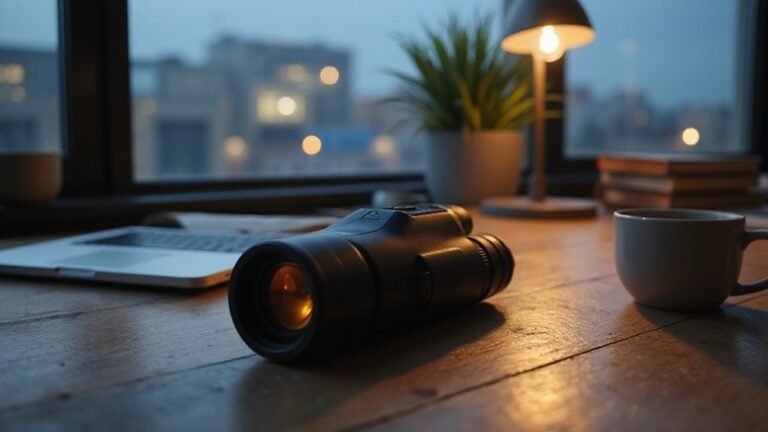
A bump helmet is designed primarily to protect your head from non-ballistic impacts. It’s built to absorb and distribute the force from blunt force trauma during activities that involve quick movements, falls, or accidental bumps. You’ll find it effective against impacts from low ceilings, vehicle interiors, falling objects like rocks or tools, and accidental collisions with hard surfaces. They are especially useful when operating in dark conditions with night vision equipment, and users must weigh the performance differences when considering thermal monocular vs. binocular systems.
The main function of the helmet is impact absorption. It spreads the force of a hit across its shell to prevent concentrated pressure points that could cause injuries like concussions or cuts. This focus on kinetic energy management means the helmet is made from durable polymers that can withstand repeated impacts. The helmet’s ability to securely hold equipment is enhanced by attaching it to a cantilever scope mount, which provides a stable platform. However, it is not intended to stop bullets or shrapnel; its strength lies in handling impacts typical of dynamic environments. You’ll primarily see bump helmets used in training exercises, airsoft sports, search and rescue missions, or outdoor activities where impact risks are common but ballistic threats are minimal.
How Does a Bump Helmet Compare to a Ballistic Helmet?
A bump helmet provides basic impact protection but does not offer ballistic resistance. Made from materials like ABS plastic or carbon fiber, it absorbs impact effectively for falls or debris strikes. However, it offers no defense against bullets or fragmentation hazards. In contrast, a ballistic helmet is constructed from layered aramid fibers such as Kevlar, designed specifically to stop pistol rounds and even some rifle rounds. Designed for military use, they are built to meet impact standards like ARPD 10-02 and NIJ 3A. Their primary function and importance is to protect the wearer’s head from life-threatening ballistic threats, which is a critical consideration for any buyer. Choosing the right head protection often involves understanding the different technologies used, such as the infrared radiation detection used by thermal imagers. Before finalizing your gear setup, ensuring all electronic components are properly reset can prevent operational issues. The added ballistic capability comes with increased weight, which can affect your mobility and cause neck fatigue during extended wear. Additionally, ballistic helmets are significantly more expensive due to the specialized materials and certification requirements necessary to meet safety standards.



Where and When Should You Use a Bump Helmet?
Bump helmets are best suited for scenarios where impacts are the primary hazard and ballistic protection is not needed. They excel during military training exercises such as force-on-force drills or breaching, where they shield you from low ceilings and accidental strikes by equipment. Additionally, they are useful for airsoft, simulation gaming, and similar activities, providing impact resistance while allowing integration with night vision and communication gear, such as when choosing between a red or green hunting light. The infrared illumination used by thermal devices operates on a different wavelength than traditional night vision, making both systems compatible for enhanced situational awareness. For many users, deciding between night vision and thermal technology is a key part of outfitting their helmet.
For outdoor pursuits like rock climbing or hiking, bump helmets offer protection from falling debris and low-hanging branches without adding significant weight, which helps decrease fatigue during extended periods of activity. It is important to note that bump helmets are not appropriate for high-risk cycling, where specialized helmets designed for greater impact resistance are necessary. Their durable yet lightweight construction and simple maintenance make bump helmets a cost-effective solution for repeated non-ballistic use in various impact-prone environments.

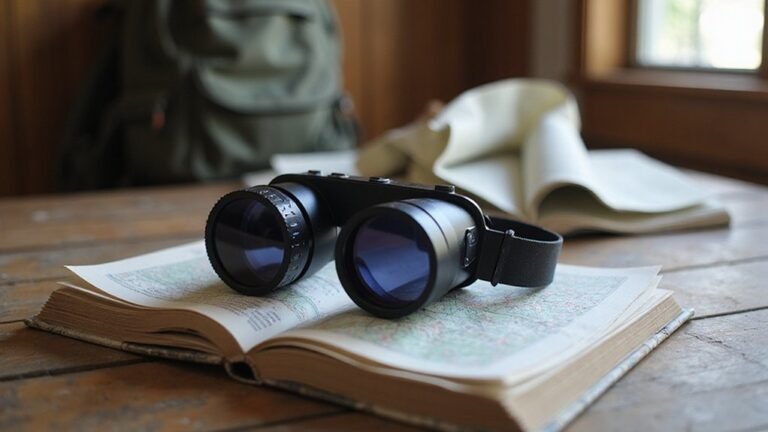
【Display Model】: The Gayontech Four-Tube Binocular Night Vision is just a Dummy Model with no function, can be used for display or cosplay

[HD Clarity for Outdoor Exploration]: Enhance your adventures with the GOYOJO head-mounted night vision monocular, perfect for activities like wildlife observation, camping, or nighttime exploration. Capture every moment in HD video and photos, ensuring sharp, high-quality visuals even in the dark. Whether you're tracking animals in the wild or navigating a campsite, this monocular delivers the detail you need.
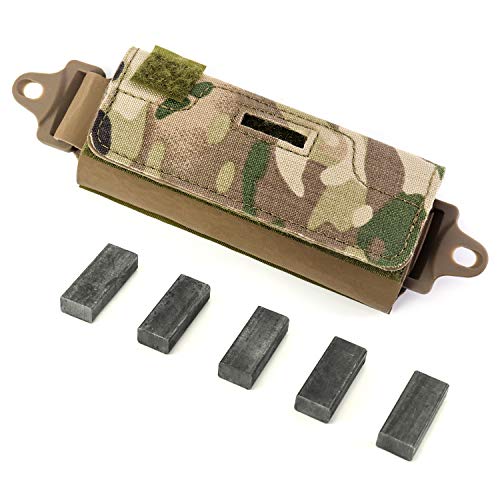
✔Function: Installed on the helmet and add iron, can help the helmet to maintain balance when use using night vision goggles. And it can also be used for battery storage such AA,AAA battery.
Why Do Night Vision Users Prefer a Bump Helmet?
Why Do Night Vision Users Prefer a Bump Helmet?
A bump helmet is often preferred by night vision users because of its lightweight design, which significantly reduces fatigue during extended missions. Typically weighing around feature compatibility with GoPro cameras for dynamic documentation of nighttime activities. The helmet’s construction provides excellent comfort with multiple ventilation holes, helping keep you cool and preventing your night vision goggles from overheating. A properly selected NVG mount for ACH will ensure a stable and secure platform for your night vision device, which is critical for performance. These helmets can be part of a custom-built thermal imaging system, integrating seamlessly with other specialized gear. Additionally, its material durability ensures impact resistance in non-ballistic scenarios, offering reliable protection against bumps and minor collisions. Cost-wise, bump helmets are more economical, freeing up your budget to invest in other crucial night vision accessories. Overall, they serve as an adaptable platform for mounting night vision devices and efficiently navigating low-light environments.

1. The NVG lanyard is designed for prevent night vision goggles falling down when accidental release or mount failure happens

Superior Material:The helmet bracket is made of high-quality aluminum alloy with high oxidation resistance. The surface is color-locked,so it will not fade. The special process makes the surface smooth and work smoother.

FINE WORKMANSHIP - Made by CNC aluminum alloy,the mount holder is durable and lightweight.
What Are the Essential Bump Helmet Mounts and Rails?
After selecting your bump helmet, the essential mounts and rails you need include a PowerPath ARC rail system and side rails. The PowerPath ARC rail provides a single-piece construction that allows you to mount accessories without requiring a separate shim, simplifying installation and ensuring a secure fit. Directly attaching a Modular Bungee Shroud to this rail creates a rigid platform for your night vision goggles (NVG), secured with threaded hardware to prevent movement during use. The side rails are designed to accept standard weapon light mounts and counterweights, enabling quick attachment and removal with bolts. For stability, a retention system like Head-Loc is recommended to keep all equipment firmly in place. Keep in mind that installing these mounts and rails may involve drilling the helmet shell and using hardware with Loctite to ensure everything remains securely attached during demanding operations. Just as critical as selecting the right mounts is choosing a reliable 12 volt battery to power your electronic accessories throughout extended missions. When operating in low-light conditions, understanding thermal imaging can enhance your situational awareness beyond the capabilities of traditional night vision. Proper cable management can be achieved by utilizing the Velcro strips often found inside the helmet shell to route and secure wires for a clean setup.

Professional Cable Management Solution - Built-in hidden wire channel routes NVG battery cables, comms headsets, and tactical lights neatly inside the rail, eliminating snags and keeping your FAST SF helmet clean and professional-looking.

Professional Cable Management Solution - Built-in hidden wire channel routes NVG battery cables, comms headsets, and tactical lights neatly inside the rail, eliminating snags and keeping your FAST SF helmet clean and professional-looking.
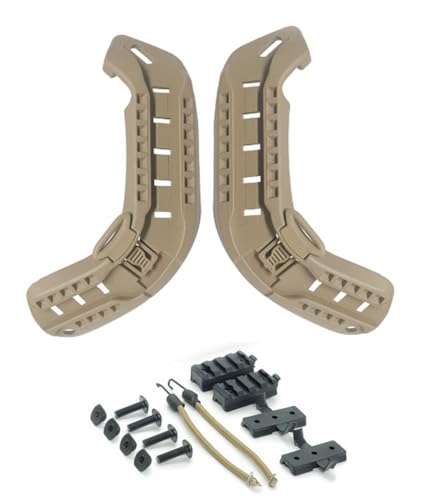
High Density Nylon Construction.******Linear distance between two screw holes: 6.5-7.09in (16.5-18cm), picture 2, Please straight line measurement. Please buy after measurement to avoid inappropriateness and bring trouble to you. Thank you!******
How Do You Choose the Right Bump Helmet for NVG?
Choosing the right bump helmet for night vision starts with understanding your specific needs. Determine whether you’ll use it for tactical training, recreational activities like airsoft, or professional operations. This decision influences the essential features, such as compatibility with NVG mounts, weight, and durability.
Ensure the helmet shell is compatible with your specific night vision device. Check that it has proper rail integration to support accessories like lights, cameras, or counterweight pouches. Bump helmets are not ballistically rated but often feature attachment shrouds for night vision mounts to securely hold your device. Compatibility minimizes the risk of mounting issues or device damage. Always verify the legal restrictions on night vision in your jurisdiction to ensure your intended use is compliant.
Comfort is critical for extended use; therefore, evaluate the helmet’s suspension system and padding options. Adjustable suspension and removable pads allow you to customize fit and ensure optimal comfort. A well-fitted helmet reduces fatigue, maintains focus, and improves overall performance during night operations. Like a well-built DIY camera mount, the helmet’s system should be stable, secure, and adaptable to your gear. When comparing options, be sure to research the top helmet NVG mounts available to ensure a secure and stable fit for your device.

✔Function: Installed on the helmet to add weight, it helps the helmet maintain balance with front-mounted accessories. It can also be used for battery storage such as AA/AAA (batteries not included).

Four-hole mounting design fits compatible BUMP-style Airsoft helmets and provides a secure mounting point for supported equipment
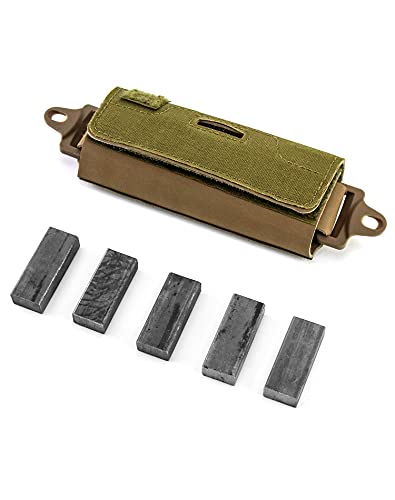
✔Function: Installed on the helmet and add iron, can help the helmet to maintain balance when use using night vision goggles. And it can also be used for battery storage such AA,AAA battery.
What Are the Critical Safety Limits of a Bump Helmet?
Bump helmets have critical safety limits you must understand. They provide zero ballistic protection against firearms or explosive devices and are designed solely for low-impact impacts. Your hazard awareness is crucial because gunshots and fragmentation can easily pass through the shell without being stopped. Additionally, blast pressures from explosions are not mitigated by bump helmets. The underlying technology of their impact-absorbing liners is similar to that used in some low-impact sporting gear and is designed for a specific range of forces.
Their impact resistance is tested against blunt force standards like EN 12492 but is limited when it comes to heavy loads or sharp objects. They are not suitable for environments involving ballistic threats, as they completely fail to meet military ballistic standards. Understanding the key cost drivers behind more protective equipment can help explain why bump helmets are insufficient for combat scenarios. Proper safety precautions mean using bump helmets only in scenarios such as tactical training, search and rescue, or other low-hazard activities where high-velocity projectiles are statistically unlikely. Assembling your own protective gear requires a clear understanding of its intended use and specific safety limits.