
Where Are AGM Thermal Scopes Made?
Are you curious where AGM thermal scopes are made? You might be surprised to learn that their design and engineering happen in Springerville, Arizona.
While final assembly and calibration take place in Sofia, Bulgaria. This setup helps keep quality high while maintaining steady prices.
Keep reading to see which parts stay American-made and how the process works.
Where AGM Thermal Scopes Are Made: The Short Answer
AGM thermal scopes are primarily developed in the United States with assembly operations also taking place in Bulgaria. The core design and development process is centered in Springerville, Arizona, where their engineering team crafts the innovative features and ensures quality control. Meanwhile, their Sofia facility handles the final assembly, which supports their international distribution and regional market needs. This dual-location setup allows AGM to maintain consistent branding and quality standards across their product line. Staff in Sofia are trained to assemble scopes to the same specifications as those built in Arizona, ensuring uniform performance regardless of where the scope is purchased. By centralizing design in the U.S. and leveraging Bulgarian assembly for regional markets, AGM can scale efficiently while preserving their brand integrity. For users deciding between options, understanding the distinct advantages of night vision vs. thermal can help clarify which technology best suits their operational needs. When weighing which device offers better value, comparing a thermal monocular to a binocular helps users decide based on their typical engagement distances and portability needs. This structure directly supports their mission to deliver reliable and innovative optics for high-stakes environments, serving as a force multiplier for military and commercial users seeking a decisive advantage in the field.
Why Springerville, Arizona Is AGM’s Design and Development Hub
Because AGM Global Vision was founded in Springerville, Arizona, it serves as the company’s core hub for design and development. This location is consistently highlighted as the engineering center for its thermal rifle scopes, clip-ons, and binoculars. Here, product development is driven by decades of combined expertise, ensuring that every optical system is crafted with precision. Quality assurance begins on-site, shaping how each product performs long before it reaches your hands. Beginners can learn from this process by studying how to choose a thermal scope based on resolution and detection range. This foundational engineering work aligns closely with the DIY guide for building a thermal scope, as many of the core principles and component selections originate from AGM’s development processes. The supply chain also runs through Springerville, giving AGM tight control over design iterations and ensuring that innovations are implemented efficiently. For instance, the same thermal sensor calibration techniques used in AGM’s professional products can be applied when assembling a homemade drone, highlighting how DIY thermal drone builders benefit from these industrial standards. While the company later expanded with facilities in Europe and Texas, Springerville remains the heart of its technical and developmental decisions. That’s why this Arizona location continues to anchor AGM’s thermal imaging work, making it the foundational site for the company’s most advanced optics.

Fast Targeting. Wide Field of View: The RattlerV2 19-256 offers a 2.5x base magnification and a wider field of view — ideal for close- to mid-range scanning and fast-moving targets. Whether you’re hunting hogs in thick brush or predators on the move, this thermal scope keeps your target in sight and your response time sharp.

Clear Target ID with Dual Light Fusion: Combines 256×192 thermal imaging and 2K visible light to help identify targets and terrain with greater confidence in low light or darkness. Note: This device does not have night vision functionality.

Quick View: Explore the Oneleaf.ai Mars MT1000LRF, a cutting-edge thermal imaging scope with interchangeable lenses, ultra-sensitive NETD <20mK detection, 640x512 Sensor, 2x base magnification, 1x-8x digital zoom, 30/50/60Hz adjustable Refresh Rate and advanced features like a built-in Rangefinder and Ballistic Calculator. Perfect for hunting, security, and outdoor adventures.
What Actually Happens at the Grand Prairie, Texas Distribution Center
Once a thermal scope is ready for customers, the work shifts to Grand Prairie, Texas, which functions as AGM’s primary distribution and fulfillment center in the U.S. It handles only logistics—no manufacturing—serving as the nerve center for rapid order processing. Your operations begin with inbound receiving, where trucks are unloaded, goods are inspected, and stock is placed into designated pallet or bin locations. For a thorough comparison of top models, you can refer to top infrared cameras reviewed for thermal imaging. Many DIY enthusiasts might instead prefer building their own device using DIY night vision goggles for a more hands-on approach. When considering trail cameras for other surveillance needs, the primary difference between brands often hinges on performance and cost as discussed in trail camera comparisons.
Constant inventory counting and turnover tracking are essential to maintain efficiency. Organizing fast-moving SKUs ensures quick picking and packing, which keeps delivery times short. During order fulfillment, you prepare shipments for both B2B and B2C customers, load outbound trucks, and coordinate same-day carrier pickups to utilize DFW’s strategic location. You may also handle kitting or manage product returns, all focused on fast, smooth movement of stock and eliminating delays at every stage.
Inside AGM’s Bulgarian Assembly Facility for Thermal Scopes
AGM’s Bulgarian assembly facility is responsible for final construction and assembly of many thermal scopes, including models like the RattlerV2 640. Located in Sofia, Bulgaria, this certified center handles the final stages of manufacturing, ensuring products meet EU compliance and ISO quality standards. This process avoids infrared interference issues that cause phone flashes on night vision cameras. The facility operates as both an assembly hub and a repair center, supporting quick service turnaround for European customers and providing a reliable supply chain within the region. By establishing this European base, AGM enhances its ability to deliver locally built, serviced, and distributed thermal scopes, strengthening its presence in the European outdoor and defense markets. This approach mirrors the quick connect functionality on Stealth Cam devices, which simplifies user setup by streamlining initial configuration. For a practical drawing night vision goggles guide, understanding how these devices avoid glare requires mastering lens and housing shading techniques.
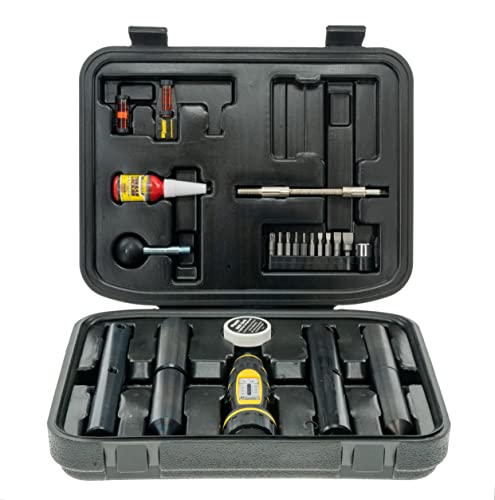
DIMENSIONS: 13.6 inches L x 10.3 inches W x 3.4 inches H

1. Dual-Use Design – Handheld & Rifle Mounted This thermal imaging monocular features a versatile dual-use design. It can be used as a handheld thermal night vision viewer or quickly mounted on a rifle via a Picatinny/Weaver rail, meeting different outdoor observation needs.

High-Resolution Thermal Imaging: Equipped with a 2-inch display and 320240 resolution thermal camera, this scope offers clear heat signatures with real-time 50Hz refresh rate and 3x digital zoom for spotting targets up to 100 meters away
Where AGM Manufactures Its Thermal Scopes: U.S. vs. Europe
AGM manufactures its thermal scopes primarily in two locations: the United States and Europe. The U.S. facility in Springerville, Arizona, is the main hub for design, development, and distribution. This plant oversees the core engineering processes, ensuring high manufacturing standards, and manages the main product supply chain. In addition, AGM has established distribution centers in Texas and Florida to support logistics and warehousing within the region. Unlike a cantilever scope mount, which is designed to offset the scope for proper eye relief, AGM’s thermal scope assembly is handled at the European facility. Beginners should consider key performance features like detection range and resolution when choosing a thermal monocular. For those comparing handheld devices, the PVS-14 and PVS-31 offer different performance levels for night vision applications.
In Europe, AGM’s subsidiary in Sofia, Bulgaria, handles sales and assembly services. While this facility assembles products for regional markets, it does not serve as a primary manufacturing site. Instead, the Bulgarian plant supports local distribution with trained assemblers, with all design, engineering, and strict quality standards remaining centralized at the U.S. headquarters. Ultimately, the U.S. drives the development and production of AGM’s thermal scopes, while the Bulgarian site functions mainly as a regional assembly and sales support center.

Precision Thermal Detection: Equipped with a high-sensitivity sub-35mK 12m thermal detector, this thermal monocular delivers sharp, clear imaging even in total darkness, ensuring clarity for identifying heat signatures during hunts or nighttime surveillance when it matters most

Extended Range. Wider Opportunity: With a 25mm Germanium lens and a powerful 3.5x base magnification, the RattlerV2 25-256 gives hunters a serious edge. Its thermal imaging scope lets you detect heat signatures out to 1,250 yards.
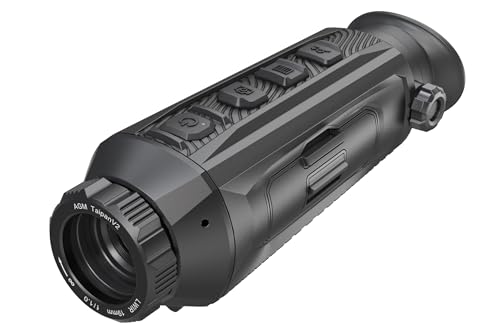
Crystal-Clear Thermal Detection Experience greater clarity with a high-resolution 320×256 thermal sensor and advanced image processing. This thermal monocular helps you detect subtle heat signatures, even in dense brush or total darkness — ideal for night hunting and tactical applications.
Designed in Arizona” vs. “Assembled in Bulgaria”: What’s the Difference?
“Designed in Arizona” indicates the location of AGM Global Vision’s corporate headquarters in Springerville, Arizona, where the engineers develop, design, and oversee the product’s brand and specifications. In contrast, “Assembled in Bulgaria” specifies where the final assembly process occurs—at a facility in Sofia, Bulgaria, where trained technicians integrate components, calibrate the scopes, and package the finished product.
These labels do not directly reflect the origin of the components or the entire manufacturing process, but rather the different stages and logistics involved. The “Designed in Arizona” claim emphasizes the origin of engineering, innovation, and brand management by AGM’s U.S.-based team. Meanwhile, the “Assembled in Bulgaria” detail highlights the location of the physical assembly, which is an EU-certified facility ensuring compliance with European standards.
Understanding these distinctions is crucial, as the design origin influences the product’s engineering quality and brand authority, while the assembly location impacts regulatory standards, warranty support, and service options. When you see both labels, you’re getting U.S.-driven engineering combined with European-based finishing, calibration, and support. Similarly, when shopping for covert surveillance gear, you might look for a spy camera that also features night vision and audio to capture clear evidence in low-light conditions. Essentially, one identifies who made the design, and the other indicates where the final production steps take place.
Which AGM Thermal Scope Models Are Assembled in Bulgaria?
The AGM thermal scope models assembled in Bulgaria are the Clarion 384 and the Rattler V2 19-256. The Clarion 384 is explicitly described as “manufactured, serviced and assembled” by AGM Global Vision Ltd. in Sofia, indicating full assembly and some manufacturing activities take place there. The Rattler V2 19-256, meanwhile, is listed as “assembled” by the same company, suggesting only the final assembly process occurs in Bulgaria. To set up these units effectively in the field, you should know that a trail camera does not require Wi-Fi, as the network connection is only needed for remote viewing features. This Bulgarian assembly indicates a regional commitment by AGM and ties directly into their European operations based in Sofia. The Clarion’s manufacturing and service facilities are located there, while the Rattler V2 focuses solely on assembly. Other models, such as the RattlerV3 series, may carry “Made in EU” labels but do not have confirmed assembly in Bulgaria at this time. Understanding how game cameras work can help buyers appreciate the technological differences between thermal imaging models. For those deciding between options, comparing performance and cost is essential to determine which model fits your needs.

Cutting-Edge Dual Lens Optics: Mechanically switch between two lens sizes for optimal magnification and field of view without compromising image resolution.
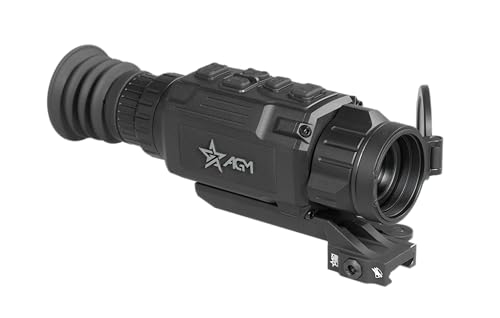
Pinpoint Clarity in the Dark A 384×288 12μm sensor with sub-15mK sensitivity delivers crisp thermal imaging, letting you spot coyotes, hogs, or predators even in pitch-black fields and foggy terrain.

BUNDLE CONTENTS: AGM Rattler V2 35-384 thermal imaging scope, Field Boys optics cleaning cloth, two NE-4400 rechargeable batteries, battery charger, ADM QD mount, hard carrying case, and USB-C cable.
What AGM’s Catalogs Reveal: and Hide: About Manufacturing
AGM’s catalogs do not specify the exact manufacturing locations of most thermal scopes. They highlight the company’s American roots with a U.S. base in Arizona and a European office in Bulgaria but omit detailed country-of-origin information for each model. While they do disclose the origin of image-intensifier tubes, they withhold details about the thermal sensors and housings. This lack of transparency makes it difficult to determine the true supply chain and manufacturing origins for most products. Instead, you are left to infer details based on vague references to assembly or sourcing, which can obscure the complexity of their manufacturing processes. Unlike the common misconception that thermal imaging can penetrate solid barriers, these devices only measure surface temperatures, so the opaque components they house remain entirely unseen. To understand what truly happens inside, buyers must grasp that thermal cameras detect infrared radiation emitted by objects, not light, which is why their internal electronics and casings can be completely hidden from detection.
Does AGM’s Multi-Country Setup Affect Product Quality or Price?
A multi-country setup does not affect the product quality or price of AGM scopes. The regional offices in Arizona, Texas, Florida, and Bulgaria are designed to enhance service and supply-chain flexibility rather than change the core product. The performance of your AGM scope relies on its engineering, including thermal sensors and core design, which remain unchanged regardless of where the product is stored or shipped from.
What you gain from a multi-country footprint is improved access and support. Local service centers enable faster repairs and easier warranty handling without long shipping delays. This setup bolsters brand reputation by offering quicker service in your region. Crucially, it does not lead to a dip in quality or an increase in price—these aspects are driven by the product’s design and manufacturing, not logistics. Overall, a multi-country presence makes servicing simpler and more efficient, but your scope’s core features and cost stay the same.

Includes AGM RattlerV2 19-256 Thermal Imaging Scope, 5 AGM Thermal Targets which allows for easy zeroing of the thermal rifle scope, and Microfiber Optics Cleaning Cloth by Field Boys, a Trademarked Brand.

256×192 20mK Thermal Sensor: High-sensitivity 12μm VOx detector delivers sharp thermal images with excellent target detection and recognition.
Ultra-Sensitive Thermal Imaging Equipped with a highly sensitive sub-20mK thermal sensor, the RattlerV2 25-320 delivers exceptional clarity and detail, even in complete darkness or harsh weather conditions.
The Most Accurate Answer to Where AGM Thermal Scopes Are Made
AGM thermal scopes are primarily designed, developed, and distributed from Springerville, Arizona, USA. This location is central to their reputation for quality and reliability, reflecting American engineering standards that customers trust. While they also have an assembly facility in Sofia, Bulgaria, where some product assembly occurs, this does not compromise quality. Instead, it enhances their global service capabilities and helps keep costs competitive. Customer feedback consistently highlights the reliability and performance rooted in Springerville’s oversight. Therefore, even if final assembly takes place elsewhere, every AGM thermal scope’s core design and innovation originate from Arizona, ensuring a consistent standard that resonates with trusted American craftsmanship.