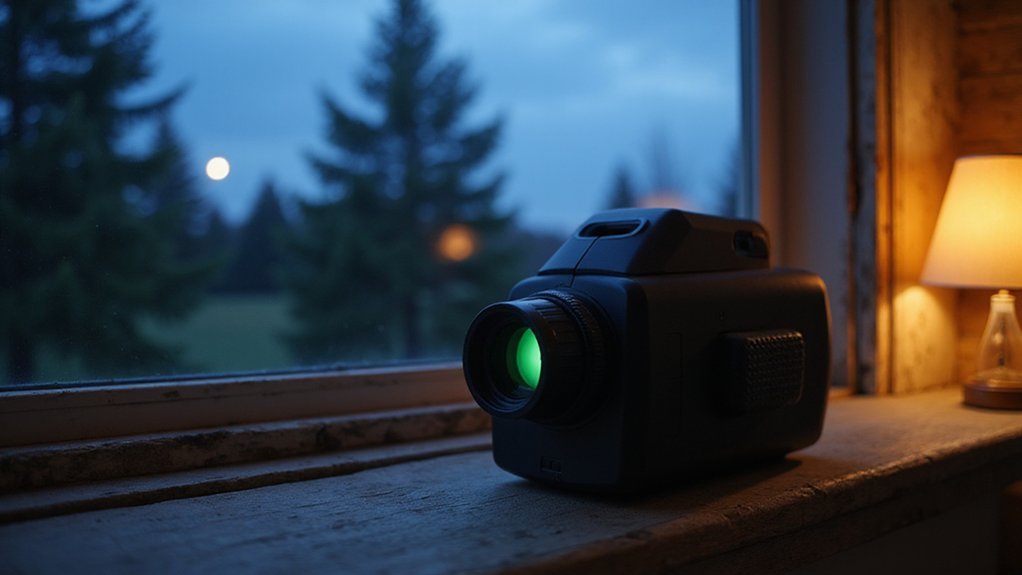
Digital Night Vision vs. Analog: Which Is Better?
Deciding between digital and analog night vision can seem tricky, especially when your needs vary.
If real-time, lag-free viewing in complete darkness is critical, analog might be your best bet.
But for most users, digital offers sharper images, higher resolution, and extra features like recording.
Keep reading to find out which type suits your dark adventures best.
How Digital and Analog Night Vision Work: Core Technology Explained
Digital night vision uses a CMOS sensor similar to a standard camera, converting light into an electronic signal. This signal is then processed by a microprocessor, which enables features like digital image stabilization and enhances overall image clarity. The processed image is displayed on an LCD screen, providing real-time feedback. Unlike analog systems, digital night vision can integrate with other electronic devices and offers customizable image settings, making it versatile for different environments. When choosing a night vision device, it is crucial to understand the difference between detecting heat signatures and amplifying available light. It often relies on a built-in infrared illuminator to project non-visible light and create an image in total darkness. However, digital devices may have a shorter lifespan due to electronic component wear and can sometimes produce grainy images in low-light conditions if not equipped with advanced sensors. Understanding the key price factors can help you make a more informed purchase decision.
Low-Light Performance: Analog’s Advantage in Total Darkness
Analog night vision cannot operate in total darkness without an external light source. Its image intensifier tubes rely on photons to begin the amplification process, so if there is no ambient light, it produces no visible image. To see in complete darkness, you need to turn on an infrared illuminator, which emits infrared light detectable by the tubes. However, this IR illumination makes the view monochromatic green and consumes significant power, reducing battery life compared to passive night vision in low light. Ultimately, analog devices’ ability to perform in total darkness depends on an active IR light source, making them less effective and more power-dependent in absolute darkness. By comparison, digital night vision devices face an even sharper performance drop in similar conditions due to the increased processing lag from longer exposure requirements. This photon amplification process hinges on Gen 2+ technology or better to achieve usable clarity in extreme low light. This reliance on detecting infrared light is similar to how a thermal imaging camera detects heat signatures. Some modern users exploring low-light capabilities have begun using smartphone-based thermal camera apps as a supplementary tool.
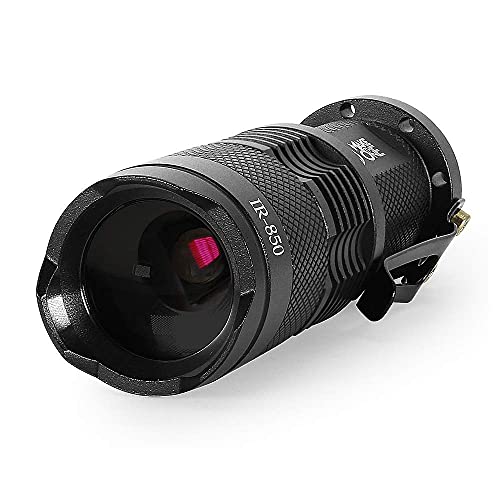
INVISIBLE IR LIGHT: IR Torch is NOT for General Lighting Purpose. It emits invisible but high power 850NM IR light. NOTICE: IR can't be seen by human eyes.Recommend to use 850NM night vision monocular and goggles together, instead of general camera.

✔AUTOMATICALLY ON and OFF. Built-in with photocell sensor, the ir illuminator automatically switch on at dusk and switch off at dawn, it’s energy saving style. Wave length 850nm Infrared light, the beam light is INVISIBLE to naked eyes but give a red glow.
Image Quality and Resolution: Comparing Clarity in the Dark
Digital units generally provide clearer and more detailed visuals than analog systems. Analog systems produce a monochrome green image, which can limit color differentiation in complex scenes. In contrast, digital units deliver full-color images with higher accuracy, especially in mixed lighting conditions, helping you identify objects more easily.
Regarding sharpness, analog resolution is measured in line pairs per millimeter (lp/mm). Top-tier Gen42 tubes can achieve about 72 lp/mm, offering decent detail but limited by the analog format. Digital resolution depends on pixel count and can scale up to 4K resolution, providing much finer detail and sharper images. The sharpness of your view, much like the clarity of your recorded footage, can benefit from proper equipment protection, such as using a trail camera security box.
Digital screens also tend to show fewer blemishes than analog tubes, which can suffer from permanent “bloom” damage caused by bright lights. Additionally, advanced digital models incorporate electronic image stabilization, resulting in steadier, clearer visuals that are harder to achieve with purely optical analog systems. When evaluating these features, it helps to understand the specific performance metrics used in thermal imaging cameras. Considering the overall cost of night vision binoculars, digital models often provide better value by incorporating these advanced features at various price points.
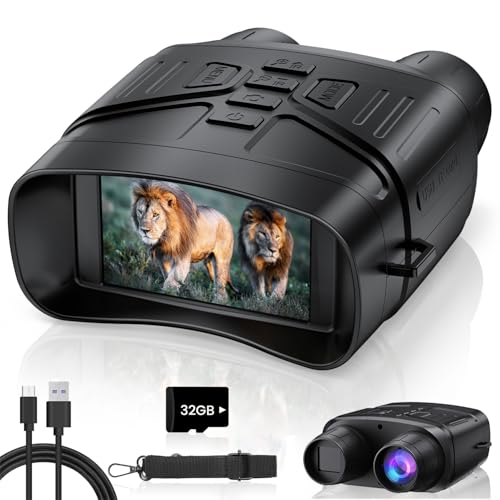
Day and night viewing: Use these night vision goggles in daylight, low light, or complete darkness. The 850nm infrared illuminator provides clear black-and-white viewing at night for hunting, wildlife observation, camping, and property monitoring.

NIGHT VISION GOGGLES FOR ADULTS 4K – Experience clear digital night vision with a 4K imaging system and large 4.5" HD screen. Designed for nighttime observation, outdoor exploration, camping, hunting, and wildlife viewing.

940nm Invisible IR & Long-Range Viewing: Vtiisamao night vision goggles feature 940nm infrared illumination with no visible red glow for more discreet nighttime observation. View subjects in complete darkness at distances up to 1,968 ft, ideal for wildlife observation, hunting, camping, farm monitoring, and property monitoring.
Latency: Analog’s Real-Time View vs. Digital’s Processing Delay
Digital Night Vision vs. Analog: Which Is Better?
Latency: Analog’s Real-Time View vs. Digital’s Processing Delay
Analog night vision provides a real-time view with virtually no latency. Since it amplifies ambient light directly without digital processing, the image you see is instant, allowing for immediate reactions to fast-moving scenes. Digital night vision, on the other hand, captures the scene with a sensor and then processes the image before displaying it. This process introduces a delay, often half a second or more, which can be critical when quick response times matter. This potential lag is a result of the system relying on the speed of the CPU for its processing.
While digital systems can sometimes enhance color fidelity and image details through processing, this benefit comes at the cost of increased lag. The delay causes a disconnect between your action and what appears on the screen, resulting in potential visual artifacts such as smearing or ghosting during rapid movements. For activities requiring split-second reactions, such as tactical operations or fast-paced surveillance, analog night vision’s zero-lag advantage makes it the better choice. This is a crucial consideration for applications like aerial thermography where smooth, real-time feedback is essential. When evaluating imaging tools for such real-time needs, it’s important to compare the inherent performance of thermal imaging sensors versus light-amplifying systems.
Power Consumption: Battery Life of Analog vs. Digital Systems
Analog night vision systems typically run 40 to 50 hours on a single small battery. Their simple tube design does not require power-hungry processors or screens, which helps conserve energy and extend battery life. This makes them reliable for extended use in the field, especially when infrared illumination is used but still manageable. For example, an analog Gen 2+ monocular using a CR23A can achieve approximately 40 hours of battery life.
In contrast, digital units tend to drain power quickly due to their illuminated displays and complex video processing. Their runtime often drops to around 10 hours without infrared, and it can be even shorter when infrared is active. Higher resolutions and brightness settings further increase power consumption, reducing operational time. It’s important to consider that the legality of night vision can vary significantly by region and may influence your purchasing decision. For a specific example of how this applies to other optic types, Vortex thermal scopes also share similar power management considerations with advanced digital units. Understanding these thermal camera costs can help you weigh the trade-offs between advanced features and operational expenses.
Your choice hinges mainly on endurance: if you need long-lasting operation without frequent recharging, analog systems are the better option. Digital units, while offering advanced features, require more frequent battery swaps or recharging during extended use.

UNMATCHED CLARITY: With a high IR resolution of 256x192 and a smooth 50Hz refresh rate, the thermal monocular provides vivid thermal images, capturing every detail of your surroundings with precision.

Notice: This night vision binoculars does not sell a standalone lithium-ion battery; it contains a built-in, non-removable battery—Model: 955565, Capacity: 5000mAh, Voltage: 3.7V, Energy: 18.5Wh

40×60 HD Monocular Telescope: 40X magnification and 60mm objective lens diameter monocular, extending your adventures to greater possibilities. And this monocular 40x60 equipped with BAK-4 optics prism and FMC multilayer coating, improved the light transmission rate and resolution. Allows you to have a clear and bright view without any color distortion or dimming.
Durability and Lifespan: Which Night Vision System Lasts Longer?
Digital night vision systems generally last longer than analog setups. They are built with solid-state sensors, which resist shock and impact from drops better than fragile glass tubes used in analog devices. These components also tolerate bright light exposure without sustaining damage, reducing the risk of catastrophic failure. Unlike analog tubes, which can crack from impact or burn out from sudden flashes, digital components do not degrade with operational hours, offering a consistent performance over time. Their sealed housings and broader temperature tolerance reduce maintenance needs, and they often run on common, long-lasting batteries, further extending their functional lifespan in the field.
Cost Analysis: The Value Proposition of Digital vs. Analog
The price gap between digital and analog night vision systems varies significantly across tiers, with the most dramatic difference at the entry level. You can find digital night vision devices starting at a few hundred dollars, making them far more accessible, while analog systems often minimum out around $1,500. This lower entry point for digital technology democratizes access, enabling more users to benefit from night vision capabilities without a hefty investment.
At the mid-range level, digital systems often deliver performance comparable to much more expensive Gen 2 analog devices, generally under $1,500. This level provides good image quality and features suitable for recreational or semi-professional use. In contrast, high-end professional analog systems can exceed $6,000, driven by their complex manufacturing processes and delicate image tubes, which significantly contribute to their premium price. For example, a digital model like the MVG 50 can cost around $495, which is nearly seven times less expensive than a comparable analog PVS14 unit.
When weighing value against capability, consider that analog’s high cost is largely due to its manufacturing complexity, especially the precision image tubes needed for high-quality images. Digital systems, however, often offer operational savings through features like superior battery efficiency and lower long-term maintenance costs. They are not just an alternative but a more accessible ownership experience, combining performance with affordability and ease of use.
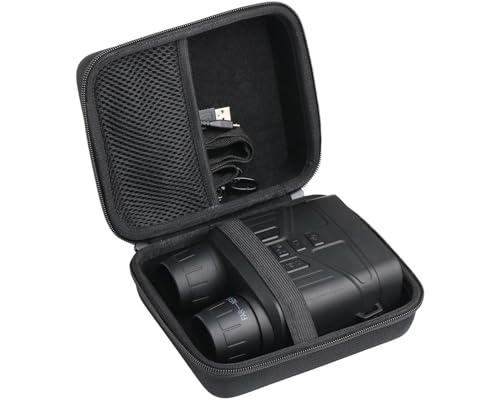
Perfect Compatibility:Specially designed to fit HEXEUM, Fvtga and Vtiisamao night vision goggles. Customized size offers a snug fit for your device, no loose or shaking during carrying
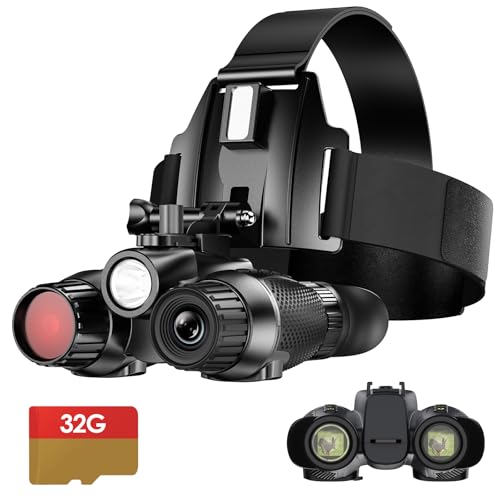
【3D Naked-Eye Effect】Enjoy clear and detailed 3D virtual reality night vision with dual-screen, dual-eyepiece naked-eye 3D viewing. Capture stunning 36MP photos and ultra-high-definition videos.

Advanced Night Vision Imaging Technology:Equipped with an 850nm infrared illuminator and Starlight CMOS sensor, these goggles deliver full-color visibility in low-light conditions and 7 adjustable IR levels for clear observation up to 2,000 feet (610 meters) in total darkness that ensures durability for nighttime adventures
Choosing Night Vision: Recommendations by Use Case
Digital night vision generally offers better color accuracy and onboard recording features, making it ideal for activities like wildlife observation, home defense, and search and rescue. It resists bright light and can be used remotely, providing versatility in varying lighting conditions, and some models can even operate for up to 50 hours on common AA batteries for extended outdoor use. However, digital units tend to consume more battery power, meaning shorter operational runtime. Analog night vision, particularly Gen 3 models, excels in zero-lag response in total darkness and provides longer battery life, making it the preferred choice for tactical navigation and situations requiring immediate, clear vision. This performance stems from its reliance on image intensifier tube technology. Overall, your specific activity—whether it’s hunting, surveillance, or rescue—will guide you toward choosing between the dependable performance of analog or the adaptable functionality of digital night vision.

New version trail cam: Clear Day & Night Imaging Capture sharp 64MP photos (adjustable: 5/16/36/48/56/64MP) and smooth 4K HD videos (3840x2160P /2560x1440P). The high-quality optical lens ensures crisp daytime images and night vision performance, making it ideal for wildlife observation, deer scouting, and property surveillance.
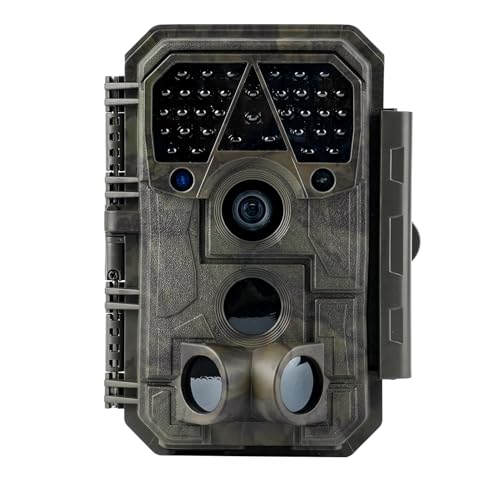
Crystal-Clear 64MP Photos & 1296p HD Video – Stunning detail day or night, thanks to advanced image tech and a high-performance f/1.6 aperture lens.

64MP Photos & 1296P HD Videos: Equipped with a high-quality optical lens and advanced image sensor, the E5S captures ultra-sharp 64MP photos and smooth 1296P HD videos.
The Future of Night Vision Technology: Digital Advancements and Hybrid Systems
Digital night vision is rapidly advancing with high-resolution sensors that provide clearer, more detailed images. Onboard recording capabilities allow you to capture critical moments for later analysis, enhancing operational awareness. Hybrid systems are combining thermal imaging with traditional intensification technology to maintain effectiveness across a wider range of conditions, including total darkness and obscurants like fog or smoke. These fusion systems improve detection accuracy and situational understanding by merging different imaging modalities into a single device. Augmented reality overlays tactical data directly onto your view, streamlining target identification and navigation without shifting focus. The equipment itself is becoming smaller, lighter, and smarter through the use of lightweight metasurface films and power-efficient OLED displays, reducing physical burden and improving user comfort. AI-driven processing enhances image quality and reduces false alarms, ensuring you get reliable information faster. Multi-sensor configurations using three lenses in close proximity can significantly boost light collection and sensitivity. To extend operational range in complete darkness, these systems are increasingly paired with infrared illuminators. Multi-band sensors further expand detection capabilities across different spectrums, making your night operations more effective. For covert applications where discretion is paramount, the latest models feature near-silent operation. The market now offers versatile thermal drones for hunting that bring these advanced capabilities into the field. Ultimately, these technological trends are leading toward integrated, intelligent systems that deliver sharper insights with less weight, fundamentally transforming how you operate in low-visibility environments.
Digital vs. Analog Night Vision: Final Recommendation for Buyers
Digital night vision generally costs less and offers modern features like recording and easy integration with other tech. If your budget is under $1000, a digital device will provide good recreational performance with high-resolution images and color options. These models are user-friendly and perfect for casual or outdoor use where convenience matters. However, if you require superior low-light capability in extreme darkness, analog night vision outperforms digital. Analog devices, such as the PVS-14, deliver natural green imagery with minimal lag and better overall visibility in complete darkness, as analog tubes have virtually no latency critical for high-speed operations. They are built for reliability in critical situations, making them ideal for professional or military applications where failure is not an option. While digital devices shine for everyday use and value, analog units excel in challenging conditions demanding maximum brightness and clarity. Your choice should reflect whether you prioritize affordability and modern features or ultimate performance and dependability.