Cellular vs. Non-Cellular Trail Cameras: Which Is Right for You?
Figuring out which type of trail camera suits you best can feel tricky. Do you want quick photos sent straight to your phone or prefer storing shots quietly on an SD card?
The choice mainly depends on your budget, privacy concerns, and how you plan to use the images. Keep reading to find out which option might be right for your needs.
Cellular vs. Non-Cellular Trail Cameras: What’s the Real Difference?
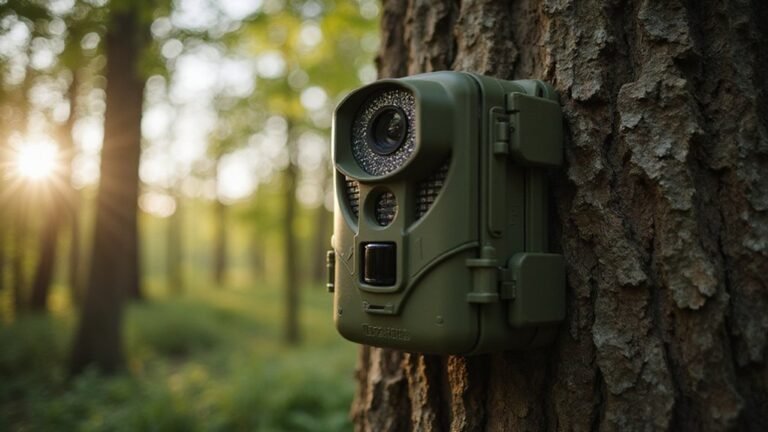
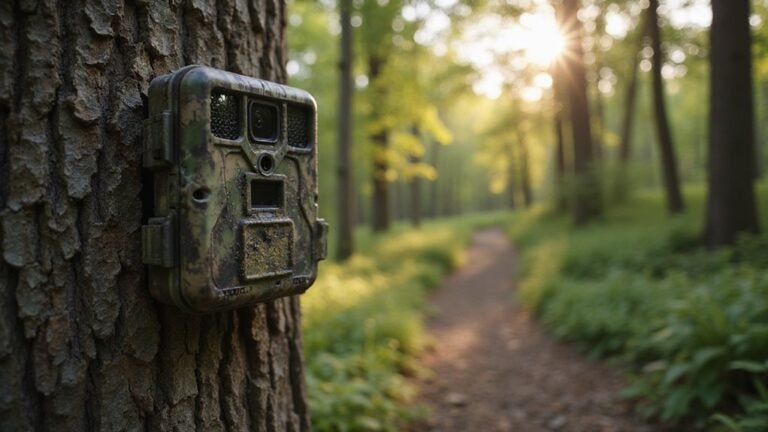
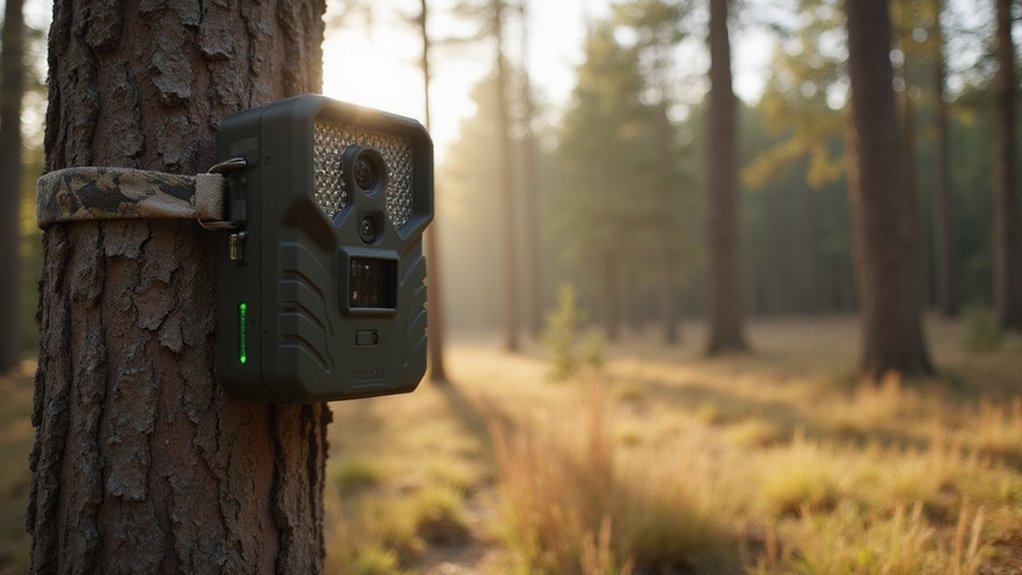
Cellular trail cameras differ from non-cellular models primarily in how they handle image transmission. Cellular cameras send photos directly over a mobile network to your device, allowing remote access without physically retrieving the SD card. Non-cellular cameras, however, store images locally on an SD card, requiring you to go to the camera’s location to view the photos.
Durability is a key consideration. Cellular models often need more rugged housing to protect the internal modem and antenna from weather elements, which can increase their size and weight. Non-cellular cameras tend to have simpler designs that are easier to deploy in various environments. For instance, understanding the internal components and weatherproofing of these devices helps gauge long-term field reliability. Additionally, the restricted use of certain light-emitting technologies, such as banned infrared illuminators, can affect which camera models are legally deployable in specific regions.
Technology compatibility also plays a significant role. Cellular cameras depend on a strong cellular signal to transmit images effectively. In remote or densely forested areas with poor reception, they may not function properly or could incur additional costs for data plans. Non-cellular cameras do not rely on any network, making them a reliable choice in off-grid locations. They also generally offer better image quality and longer battery life since they do not need to power a transmission module constantly. When choosing between these options, consider how night vision compares to thermal imaging, as that decision similarly hinges on your specific environment and detection needs.
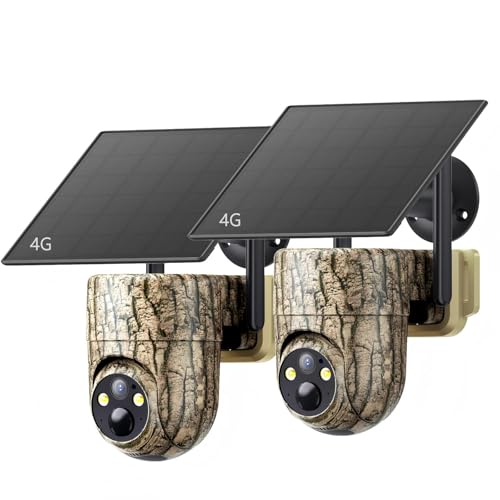
【No WiFi Needed, Access Live Feed Videos via Phone】No WiFi connection required to view live footage. Equipped with a built-in 4G LTE SIM card and live streaming capability, this cellular trail camera delivers HD video straight to your smartphone from any location. Remotely observe site activity (farms, jobsites, ranches) and check feeding stations (deer ranches, other off-grid areas) without visiting the location in person, preserving the site condition and cutting travel time and fuel costs.

Direct Video Transmission: Instantly view videos on your smartphone without delays or requests

【Industry-First SignalSync No-SIM 4G Network Tech】–MagicEagle cellular trail camera adopts exclusive cloud card technology to automatically connect to the strongest signal and optimal network segment of major carriers. Eliminates cumbersome physical SIM card installation, effectively reduces network latency and ensures stable, fluent real-time streaming and photo/video transmission, delivering a superior 4G network experience than ordinary cellular trail cameras.
Which Trail Camera Saves You More Money: Initial Cost vs. Data Plans?
Cellular trail cameras tend to be more expensive upfront but can save you time and effort in the long run. Non-cellular cameras usually cost less initially, often ranging from $50 to $200. They require manual pulls of the SD card to access images, which can be time-consuming if you have multiple sites to monitor. Cellular models, on the other hand, include data plans that typically cost between $5 and $20 per month, or up to $240 annually for basic plans. Premium plans with features like higher data caps or faster speeds can exceed $20 per month, adding to the long-term cost. For comparison, advanced night vision devices like the PVS-31 also involve higher upfront investment for superior remote functionality and performance. Similarly, ballistic helmets with face shields similarly require a higher initial cost for advanced protection and features.
If you’re trying to save money over time, non-cellular cameras are generally cheaper because they do not have recurring data charges. Their only ongoing cost is replacing or upgrading SD cards. Cellular cameras can end up costing more as data plan fees accumulate, especially if you run several devices. However, they offer the convenience of remote access and real-time updates, which can be worth the extra expense if immediate data retrieval is important to you. When choosing between the two, consider how often you need remote features versus what fits into your budget. A key factor in your decision is that thermal camera costs can vary widely based on sensor resolution and additional features, so comparing your specific needs against the total expense is essential before committing.

【Pinpoint Detail & Built for Observing Wildlife!】 Capture evidence-grade images, stunning 48MP HD resolution photos and 2k videos. Clearly view deer, wild boar, and other animals as they pass by, day or night. The trail cameras with night vision motion activated waterproof built to endure harsh outdoor conditions. And it's the ideal companion for wildlife observers, equipped with a 940nm no-glow infrared LED that does not disturb animals at night

【Pre-Integrated U.S. 4G Cellular Trail Camera】 The Loatos deer camera comes ready to use out of the box with a built-in SIM, optimized for seamless operation on major U.S. networks. It ensures stable signal reception on Verizon, T-Mobile, and AT&T networks in 4G LTE areas (service is currently available within the United States). No Wi-Fi required. The SIM card enables convenient remote management, while the solar panel provides constant power, making it ideal for remote locations.

【 4G LTE Connectivity – No WiFi Needed】This SEHMUA 4G cellular trail camera comes with a pre-installed SIM that works with Verizon, AT&T, and T-Mobile – strong, reliable signal in remote areas like mountains, woodlands, and open fields. No hubs, no routers, no WiFi – just power on and it connects. Wherever you have cell signal, you can view live footage and receive instant alerts. Includes a 7-day unlimited data trial; after that, each game camera requires its own plan ($19.90/mo or $169.90/yr)
Photo Quality, Trigger Speed, and Battery Life: Which Cameras Perform Better?
Non-cellular trail cameras generally outperform their cellular counterparts in photo quality, trigger speed, and battery life. They produce sharper images because they avoid image compression during transmission, saving full-resolution files locally. This results in more detailed photos compared to cellular models, which often reduce quality to save data. Non-cellular cameras also tend to have faster trigger speeds, reacting more quickly to movement without the processing delays that cellular cameras may experience. When it comes to battery life, non-cellular models usually last longer because they do not rely on powering a modem, making them better suited for extended deployments in remote areas. To maximize concealment, consider hiding the camera with natural materials like branches or bark to blend into the surroundings. For those who prefer viewing images instantly, a cellular camera can function like a thermal camera app by sending real-time snapshots directly to your phone. Overall, if these factors are your priority, non-cellular cameras are the better choice. However, cellular cameras like the Reveal X offer the convenience of subscription plans starting at around $12-$13 per month for unlimited pictures. To manage the images these cameras capture, a reliable SD card reader is essential for reviewing footage on a laptop or phone in the field.
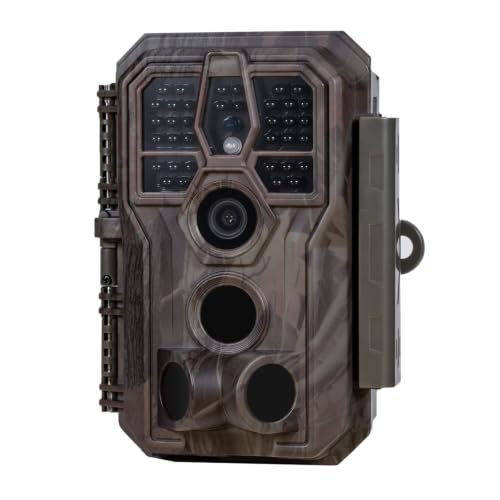
64MP Photos & 1296P HD Videos: Equipped with a high-quality optical lens and advanced image sensor, the E5S captures ultra-sharp 64MP photos and smooth 1296P HD videos.

LET SPYPOINT SCOUT FOR YOU – Get the intel you need to pattern wildlife and increase your chances of success with quality captures saved on your trail camera’s SD card. The FORCE-4K is perfect for use as a game camera or hunting camera, making it an ideal trail cam for hunting or wildlife tracking.

Fast trigger speed: The WOSODA trail cameras will be triggered instantly in 0.3s without delay, once detecting the movement, you will never miss any exciting moments even at night, and the trigger distance is up to 60ft.((Not included SD card,supports up to 256GB)
Cellular vs. Non-Cellular: Which Is More Secure and Private?
Non-cellular trail cameras are more secure and private because they keep your data offline. They store images locally on a memory card, so you control who can access them. Cellular cameras, however, transmit photos over networks, making them vulnerable to interception and hacking. Even with strong encryption standards, your data can be shared or accessed through policies set by manufacturers or cloud service providers. Location data from geotagging can also reveal your whereabouts. While cellular cameras offer the convenience of remote retrieval if stolen, this feature introduces additional security risks. Since non-cellular models lack wireless connections, they have fewer attack points, making your information more protected. For maximum privacy and security, choosing an offline camera is the safer option. Unlike human eyes, which do not actively glow under night vision cameras due to a lack of a reflective tapetum lucidum, trail cameras rely on infrared illumination to capture images in darkness. A cantilever scope mount provides a stable and offset platform for optics, ensuring precise alignment with the firearm. Building a custom setup from scratch requires careful selection of thermal imaging components to ensure compatibility with your power supply and housing.

New version trail cam: Clear Day & Night Imaging Capture sharp 64MP photos (adjustable: 5/16/36/48/56/64MP) and smooth 4K HD videos (3840x2160P /2560x1440P). The high-quality optical lens ensures crisp daytime images and night vision performance, making it ideal for wildlife observation, deer scouting, and property surveillance.
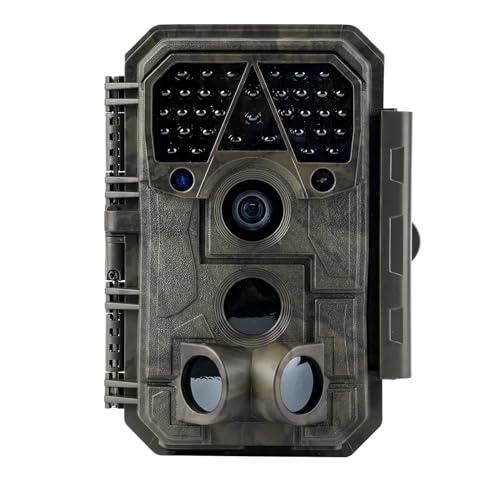
Crystal-Clear 64MP Photos & 1296p HD Video – Stunning detail day or night, thanks to advanced image tech and a high-performance f/1.6 aperture lens.
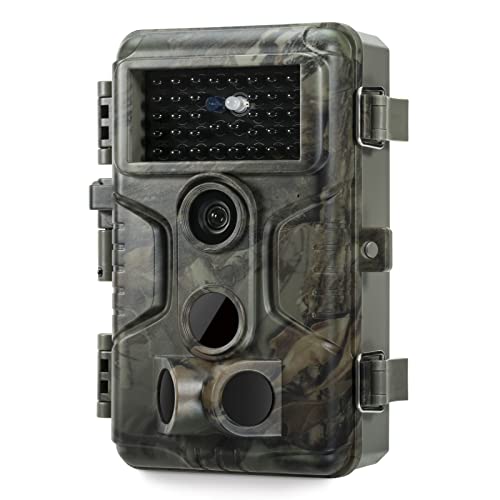
Advanced Sensor for Superior Low-Light Performance: Equipped with a Sony Starvis Sensor, this trail camera captures high-resolution images and videos even in low-light conditions, with night vision up to 100 feet.
Best Use Cases for Hunters, Researchers, and Property Owners
Cellular trail cameras are the best choice when real-time updates are essential. They transmit images directly to your phone or email, allowing you to monitor wildlife activity instantly. This feature reduces the need for frequent site visits, saving you time and effort. Because they send alerts whenever motion is detected, you can act quickly—whether that means adjusting your hunting plan or noting rare animal movements.
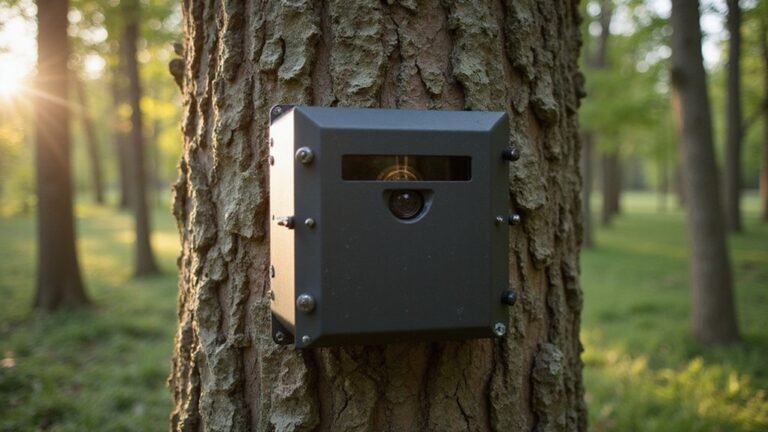
These cameras are particularly useful for property owners who want remote surveillance over large areas or hard-to-reach corners. They help you keep an eye on boundary lines or potential intruders without having to check memory cards manually. For those who prioritize quality and value over cellular connectivity, non-WiFi models offer reliable performance without ongoing data fees. Custom mounting options allow you to place cameras on food plots, remote stands, or along property lines, ensuring coverage where you need it most. To protect these valuable devices from theft or damage, building a trail camera security box is a simple DIY project that can be done at home. Just as ballistic helmets are engineered to provide protection against high-velocity impacts, these cameras are built to endure harsh field conditions.
Weather resistance is also a key feature. Cellular cameras are built to endure harsh conditions, ensuring reliable operation year-round. This makes them ideal for ongoing monitoring in diverse climates. Overall, cellular trail cameras provide a combination of convenience, immediacy, and durability tailored to hunters, researchers, and property owners alike.

High-Resolution Game Camera for Clear Wildlife Detail - Capture sharp 48MP photos and smooth 2K live video with this trail cam, designed to record every detail of wildlife and outdoor observation. From antler ridges to feather textures, it delivers rich color by day and clear nighttime visibility, making it a reliable deer camera and trail camera for wildlife enthusiasts, hunters, and nature lovers.

【Why Settle for Half the View? Dual Lenses Catch What Single-Lens Cameras Miss】 Most game camera only show you what's dead ahead — animals approaching from the sides? You miss them entirely. SEHMUA wildlife camera's dual-lens system delivers a true 180° wide-angle view, so you see the field edge and treeline at once. The Ucon App displays both angles in real time and lets you share access with up to 4 friends or family members.

【48MP&2K Live, Capture Every Detail!】Loatos cellular trail cameras integrates a cutting-edge large-area image sensor to deliver true 48MP crystal-clear photos, cinema-grade 2K live video, and real-time HD live broadcast—watch, interact, and share remotely via the app. It captures every antler ridge, whisker detail or feather barb in rich color by day and sharp monochrome by night, ideal for wildlife photography, home security, content creation or admiring nature’s close-ups.
Non-Cellular Trail Cameras: When a Simple, Cheap Option Works Best
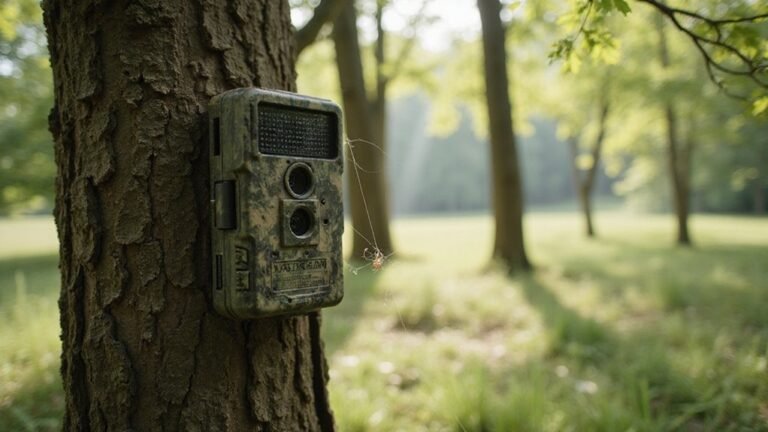
Non-cellular trail cameras are a straightforward, budget-friendly option when you don’t need real-time alerts. They have significantly lower upfront costs, making it affordable to outfit multiple locations without breaking the bank. Since you don’t pay monthly data fees, there’s no ongoing expense beyond the initial purchase. All images are stored locally on an SD card, so there’s no wireless connectivity to worry about. Setup is simple—just insert batteries and an SD card, then navigate the basic menu. Longer battery life and reliable performance off-grid make these cameras ideal for areas with poor signal or no cellular coverage. Plus, your data remains private, stored locally instead of being transmitted to a cloud. For low-maintenance, hands-off monitoring, a non-cellular trail camera offers a dependable and cost-effective solution. For the best value, look for models that excel in image quality and battery efficiency.
Cellular Trail Cameras: When Remote Access and Real-Time Alerts Matter Most
Cellular trail cameras are ideal for remote property monitoring due to their ability to transmit images and videos directly to your phone via mobile data networks. This eliminates the need for frequent trips to retrieve SD cards, saving you time and effort. With real-time alerts, you receive instant notifications whenever the camera is triggered, providing critical updates for hunting, security, or wildlife observation. Keep in mind that network reliability is crucial; a weak signal can hinder image transmission. Data privacy also matters since your images pass through cellular networks—choose a reputable provider to keep your information secure. Though these cameras generally cost more and require a subscription, they excel in time-sensitive situations where quick access to images is essential. For hunters who prioritize instant updates, modern cellular models incorporate features found in top cameras for gaming, such as high-speed burst capture and low-light sensors, to improve image clarity. Understanding the underlying technology of the modem and data compression helps you assess camera performance and plan subscription costs. For long-term monitoring in remote areas, cellular cameras can also benefit from thermal imaging technology to detect heat signatures in low-light conditions.