Can You Use Night Vision Binoculars During the Day?
Wondering if you can use night vision binoculars during the day without risking damage? The answer depends on the type:
Digital models are generally safe for daytime use, thanks to automatic exposure and special modes.
Analog image-intensifier models, however, can be easily harmed by bright sunlight, so they’re best saved for nighttime.
Keep reading to learn how to choose the right binoculars for both day and night.
How Night Vision Binoculars Differ From Regular Binoculars
Night vision binoculars differ significantly from regular binoculars in their functionality. Instead of relying on just magnifying available light, they use image intensification or digital sensors to amplify low-light conditions. This allows you to see in darkness, but it also means color accuracy is sacrificed—images are typically shades of green or monochrome because creating a bright, clear picture in the dark takes precedence over displaying true colors. You also need to manage battery life carefully, as electronic components like image tubes and sensors depend on power, unlike regular binoculars that require none. Regular binoculars perform well in daylight by providing sharp, true-color images and tend to be lighter and more compact. Night vision models tend to feel bulkier due to their electronic tubes and components, but they offer stereoscopic depth perception with dual eyes, making navigation in low-light conditions much easier. Additionally, night vision binoculars maintain stealth by not emitting visible light, unlike white light sources that would reveal the user’s position. Unlike thermal imaging, which detects heat signatures, night vision relies on ambient light amplification to create an image. For daytime use, however, most night vision binoculars require a lens cap or automatic shutoff to prevent damage from bright sunlight because their sensitive image intensification tubes can be permanently burned by high levels of ambient light. A DIY thermal drone project, by contrast, would utilize heat signature detection rather than light amplification to identify objects in total darkness or through obscurants like smoke.

[4K Ultra HD Video & 48MP Photo Capture] Record stunning 4K Ultra HD videos and capture detailed 48MP photos with exceptional clarity. The 3-inch HD screen provides a vivid real-time view, perfect for wildlife watching, camping, and outdoor exploration day or night. Includes a 64GB TF card and supports expansion up to 256GB for extended storage.

★ lmmersive 3D Night vision: Experience the world like never before with our patented naked-eye 3D display technology. Dual-screen binoculars recreate the real three-dimensional scene as seen by the human eye, making it perfect for tactical missions,hunting, or wildlife photography.

WiFi App Live Viewing and Sharing — Connect these WiFi night vision goggles directly to your smartphone to view live footage, take photos, record videos, and download saved files through the app. Photos and videos can be stored locally on the device/microSD card and your phone, with no cloud upload or subscription required for file transfer, helping keep your files on your own devices. Ideal for nighttime animal viewing, family camping, hiking, backyard animal watching, and nature learning. A practical back-to-school gift for teens and a thoughtful outdoor gift for dads, husbands, campers, and nature lovers.
Can You Use Night Vision Binoculars in Daylight?
Many digital night vision binoculars are designed to be usable in daylight, but always check your user manual beforehand. These models typically have built-in features or coatings that prevent damage from bright light exposure. However, traditional analog night vision devices are very sensitive and can be permanently damaged if used in daylight unless specifically designed or approved for such use. To avoid risking your equipment, consider using separate binoculars optimized for daytime and nighttime viewing. For example, digital models like the one described combine 2x optical zoom with 8x digital zoom to function effectively in varied lighting conditions.

Advanced Night Vision Imaging Technology:Equipped with an 850nm infrared illuminator and Starlight CMOS sensor, these goggles deliver full-color visibility in low-light conditions and 7 adjustable IR levels for clear observation up to 2,000 feet (610 meters) in total darkness that ensures durability for nighttime adventures

NIGHT VISION GOGGLES FOR ADULTS 4K – Experience clear digital night vision with a 4K imaging system and large 4.5" HD screen. Designed for nighttime observation, outdoor exploration, camping, hunting, and wildlife viewing.

Day or Night Viewing - Capture video in both daytime and nighttime modes. Store files directly to a microSD card for easy viewing and sharing.
Which Night Vision Models Are Safe in Daylight?
Devices that rely on digital sensors and external displays are safe for use in daylight. Look for digital night vision binoculars that feature a high-resolution sensor combined with an LCD or OLED screen. These units do not contain image intensifier tubes, which are designed only for low-light conditions and can be damaged by bright light. Thermal imaging binoculars are also safe during the day because they detect heat signatures rather than light, making them immune to bright conditions. For dual-use models, ensure they have a dedicated daytime mode that adjusts sensitivity and processing settings to prevent damage and optimize performance. Always check the manufacturer’s documentation to confirm daytime safety features. Additionally, models equipped with automatic exposure control or sensor protection extend the device’s lifespan by preventing unnecessary strain from bright environments. Safety can often be identified by clear labeling indicating day-and-night functionality. For hybrid devices, opt for models that combine both digital night vision and thermal imaging to maximize versatility across all lighting conditions. Understanding the core components, such as the sensor and optics used in these devices, helps you evaluate build quality and ensure reliable performance in both daylight and low-light scenarios. A secure mounting system, such as a cantilever scope mount, ensures stable alignment of these components to prevent misalignment during extended use.

UPGRADED HIGH-POWER BINOCULARS - These premium binoculars feature a high-magnification 20x zoom eyepiece and offer a 168-yard field of view at 1000 yards. This allows you to observe and focus on intricate details of distant targets up to 1000 yards away, delivering exceptionally broad and clear long-distance vision. Ideal for adults engaged in bird watching, hunting, camping, climbing, hiking, safari, travel, opera, concerts, sports events, and stargazing. They are essential gear for camping, hunting, travel, and cruises.

【See Clearly In Complete Darkness with Night Vision Goggles 】: This 4K night vision goggles features an infrared illuminator that allows you to easily view nocturnal animals in completely dark environments. It is equipped with high-definition photo and video shooting capabilities, allowing for clear night-time viewing and instant saving of captured media. The night vision binocular can record up to 4K UHD video and capture 36MP images

940nm Invisible IR & Long-Range Viewing: Vtiisamao night vision goggles feature 940nm infrared illumination with no visible red glow for more discreet nighttime observation. View subjects in complete darkness at distances up to 1,968 ft, ideal for wildlife observation, hunting, camping, farm monitoring, and property monitoring.
Why Image-Intensifier Models Fail in Bright Light
Image-intensifier models fail in bright light because their photocathodes become saturated when exposed to the sun’s full output. This overwhelming brightness exceeds the linear response range of the system and causes the image to wash out into a blinding white blob, making target details impossible to see. Photocathode saturation isn’t just a visual issue; it can also permanently damage the device. Direct sunlight can burn out the photocathode or microchannel plate, rendering the tube useless. Warning signs like halos or whitening may appear before failure, but the damage is often irreversible. Automatic protection circuits can reduce voltage to limit brightness, but they cannot prevent damage during sustained intense exposure. Even brief exposure to direct sunlight can cause catastrophic tube failure in unprotected units. When you push a low-light device into bright environments, the physics simply don’t support it, and the device risks failure or destruction. Unlike thermal imagers, which detect heat signatures rather than visible light, these night vision tubes have no such immunity to solar overload. Thermal scopes operate on an entirely different principle, requiring temperature differences to form an image rather than any ambient light.
How Daylight Affects Image Quality on Night Vision Binoculars
Using night vision binoculars in daylight significantly worsens image quality, often in unexpected ways. Bright sunlight reduces contrast, making fine details harder to see. Sunlit terrain appears cluttered, and shaded objects blend into bright backgrounds, losing their distinction. Overexposure from direct sunlight can wash out the image entirely, hiding edges and textures. Unlike thermal imaging, which benefits from heat differences, night vision devices rely on low-light conditions. They are not designed to handle bright sunlight, leading to softer, less defined images. For comparison, some indoor security cameras like the Alfred Camera achieve clear night vision precisely because they operate in darkness without competing with daylight. Automatic brightness controls cannot fully compensate for daylight exposure. While some units may have protective features that dim or shut down to prevent damage, these do not guarantee usable images. Understanding different types of game cameras helps clarify why dedicated daytime optics outperform night vision in sunlight. For example, trail cameras like those from Stealth Cam vs. Muddy are designed for specific lighting conditions, highlighting the importance of choosing the right optic for the environment. Overall, trying to view in daylight with night vision binoculars results in a blurry, low-contrast scene that falls far short of the clarity achieved with standard daylight optics.
What Happens When Night Vision Hits Sunlight?
Exposure to direct sunlight can cause irreversible damage to your night vision device’s image intensifier tube. When sunlight hits the objective lens, it acts like a magnifying glass, focusing energy onto internal components. This concentrated heat can elevate lens surface temperatures to between 400 and 450 degrees Fahrenheit, leading to physical damage. Even a brief 7 to 8-minute exposure can cause permanent tube burns, resulting in blemishes, squiggly-line artifacts, or complete image loss. This risk applies whether the device is turned on or stored facing upward, as intense light can cause temporary overload or permanent burn-in of the tube. Digital sensors aren’t immune either; prolonged exposure can damage the pixel structure, reducing image quality or causing permanent failure. Unlike night vision, an iPhone cannot detect thermal radiation with a built-in thermal camera sensor, so it avoids this specific solar damage risk altogether. Industry professionals recognize this as a recognized issue among experts, and manufacturers like L3 confirm solar damage can occur and warn against sunlight exposure. To prevent this, always cover your device with day caps or bikini covers when it’s not in use. Furthermore, choosing a system with manual gain control can help you quickly reduce brightness in sudden daylight conditions, though it does not replace physical lens covers. For aerial search missions, teams often rely on thermal drone sensors that safely operate in daylight, offering a distinct alternative to ground-based optics that cannot handle direct sun.
Features for True Day-and-Night Binoculars
True day-and-night binoculars use digital imaging sensors instead of fragile image intensifier tubes, so you can safely view sunlit scenes without risking damage to the device. Automatic exposure control smoothly transitions from bright daylight to complete darkness, eliminating the need for manual adjustments. Built-in infrared illumination activates only when necessary, conserving battery life while enhancing visibility in low-light conditions. Precise sensor calibration ensures sharp, clear images across a wide range of light levels. Unlike thermal cameras, these sensors cannot see through walls because they detect reflected light rather than heat signatures. For beginners, understanding the thermal detection range of a separate thermal monocular can help clarify why night vision and thermal devices serve different purposes. High-quality lens coatings help reduce glare and boost contrast, providing better image quality. Optical zoom primarily offers 7x or 12x magnification, paired with fast apertures like F1.0, which greatly improves low-light performance. An integrated LCD screen allows you to view images, record 4K video, or capture 40-megapixel photos directly onto a memory card. Rechargeable lithium batteries deliver up to 15 hours of operation during daytime use, and the rugged, weather-resistant housings ensure durability in challenging outdoor environments. For example, the Hot Peak model features a 5000 mAh battery that provides up to 15 hours of daytime operation. Understanding the price range for these versatile devices is essential before purchasing, as costs vary widely based on sensor resolution and infrared capabilities.

Built-in Compass for Easy Navigation – Our 4K digital night vision binoculars feature a built-in compass, ensuring you stay on track in the wild. Whether for tactical use, infrared (IR) night hunting, or outdoor adventures, these nocturna nightvision goggles provide reliable navigation in complete darkness.

- Features a built-in infrared night vision module for use in low-light and dark environments; suitable for both day and night operation.

【4K Video and 40 MP Photos】Record 4K video and take 40 MP photos during daytime or nighttime observation, so you can revisit wildlife sightings and activity that would otherwise be missed. Files are stored on a compatible microSD or TF card; card not included
Should You Buy Dedicated Day Binoculars Instead?
Dedicated day binoculars are the better choice if you primarily watch birds or hike during daylight hours. They are specifically designed for sunlight, providing you with more accurate colors and a wider, sharper field of view. Night-vision binoculars, on the other hand, are built for darkness and often perform poorly in daytime, with degraded image quality and potential risk of damage due to their sensitive optics. Trail cameras, by contrast, are designed for unattended, round-the-clock monitoring and use a different sensor system altogether, but they still rely on infrared illumination at night rather than image intensification. Understanding the monthly cellular cost of a trail camera plan can help you avoid unnecessary fees if you are considering a wireless monitoring setup instead.
A good example is an 8×42 pair, which combines excellent light transmission with comfortable weight, making it suitable for extended use. Additionally, opting for dedicated day binoculars means you won’t pay extra for night-vision features that add unnecessary cost and complexity. Keep in mind that trying to use a night-vision device during the day will almost always lead to subpar performance. For best results, choose optics designed specifically for daytime viewing—these will deliver clearer, brighter images, are more ergonomic, and handle the light conditions you encounter during your outdoor activities.

【8x Magnification Providing Clear and Detailed Views】8x binoculars provide superior steadiness and a wider field of view compared to higher magnifications; The utilization of full-multi-coated optical lenses and Bak4 roof prisms results in the production of high-quality images with precise color representation, thus providing an immersive experience in a remarkably detailed world
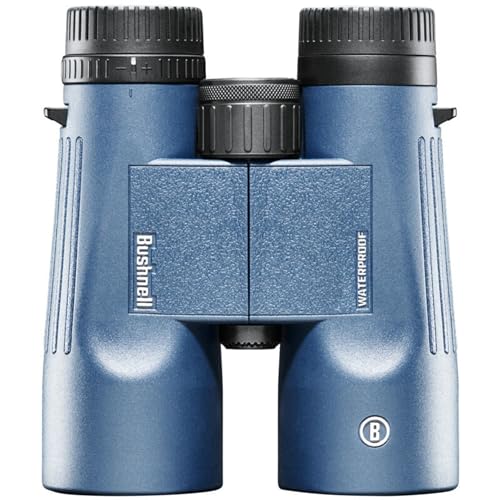
Leading Optics Brand: Trusted by outdoor and wildlife enthusiasts for over 70 years, Bushnell binoculars are designed for clarity and reliability. These 8x42 binoculars offer exceptional image brightness and performance and are perfect for hunting, boating, and outdoor adventures.

Through Calm and Clarity - Mornings take on a different kind of calm when you lift the Hontry binoculars and bring the world closer. With 8x magnification, the view feels steady and real—colors stay gentle, shapes stay true, and even distant wings or quiet movement in the grass seem closer to you, like the day is quietly unfolding at its own pace.